What Secondhand Furniture Actually Sells in Australia (and What's Not Worth Listing)
Wondering if your furniture is worth selling? Which secondhand furniture sells fastest in Australia, what buyers avoid, and what isn't worth listing — honestly.
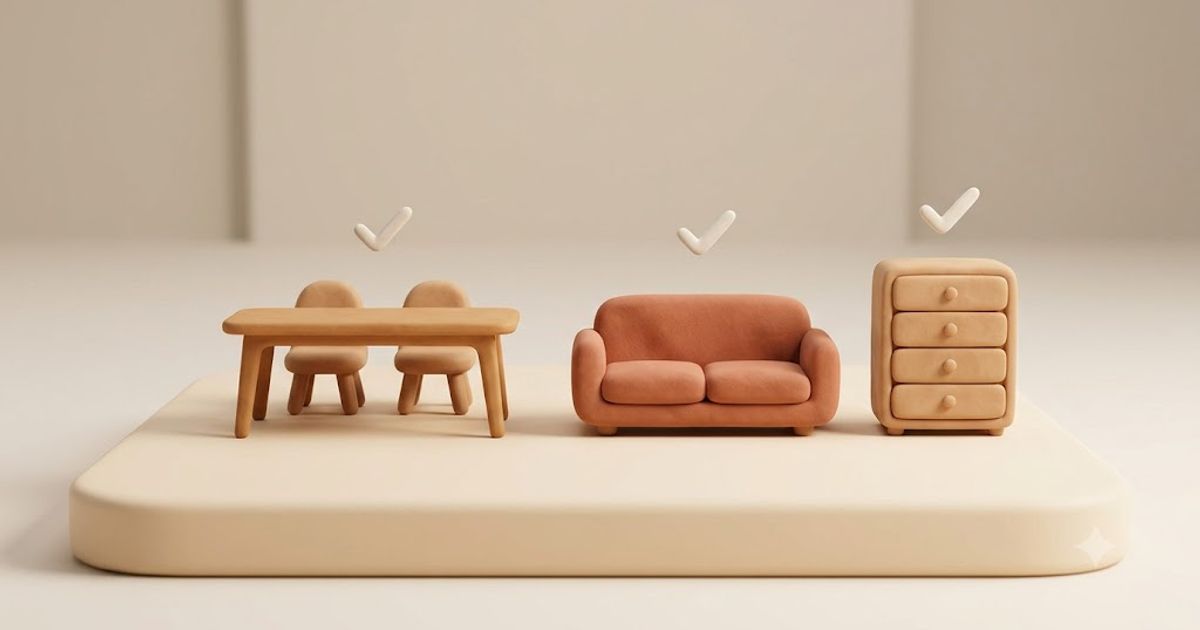
Before anyone asks "how much should I charge?", there's an earlier question that decides whether the listing is worth making at all: does anybody want this? Watching furniture move — and sit — on Zirkly every week gives a fairly clear answer, and it's not the one most sellers assume. Plenty of "worthless" furniture — plain timber drawers, bedside tables, office desks — sells within days. Plenty of "valuable" furniture — formal dining suites, oversized entertainment units — never gets a message.
This guide is about that first question only: which secondhand furniture finds buyers, which sells slowly, and which isn't worth photographing. It deliberately contains no prices — once you know a piece is worth listing, our guide to pricing secondhand furniture in Melbourne handles the how-much question properly.
The three things buyers actually pay for
Strip away the categories and secondhand furniture demand runs on three things.
Function today. Buyers are solving a problem this week — somewhere to sit, eat, sleep or store. A piece that does its job the day it's collected has demand; a project piece has a much smaller audience.
Materials that last. Solid timber survives a second and third owner; worn particleboard often doesn't survive the move. Buyers know this, which is why construction quietly outranks style in what actually sells.
Moveability. Every secondhand purchase includes an unpaid removalist job. Pieces that fit in a car or split into parts carry a hidden advantage; pieces that need two strong friends and a van need a more committed buyer.
A piece scoring well on all three almost always sells. Most of the lists below are just these three forces wearing different shapes.
It's also why sellers so often misjudge their own furniture. The pieces people assume are valuable — the formal dining suite that cost a fortune, the ornate cabinet nobody was allowed to touch — often score poorly on function and moveability, while the plain timber tallboy in the spare room scores well on all three. What you paid and what buyers want are different questions, and this guide only answers the second one.
What secondhand furniture sells fast
The dependable movers, and why:
- Solid timber, almost regardless of form. Dining tables, chests of drawers, sideboards, bedside tables — teak, oak and walnut especially. Timber signals durability, and it refinishes: buyers see potential, not wear.
- Dining tables and chairs. Every household needs one, households change shape constantly, and the rental cycle keeps demand rolling year-round.
- Storage furniture. Chests of drawers, tallboys, buffets, sideboards, bookshelves and shelving units attract buyers consistently, because every home eventually runs out of storage.
- Everyday occasional pieces. Coffee tables, TV units, console and hall tables, bar stools — small, moveable and constantly needed as households form and reshuffle.
- Desks and office chairs. Working from home turned these from occasional sellers into staples, and a decent ergonomic chair secondhand finds a buyer quickly.
- Sofas in honestly good condition. The qualifier does the work: clean, structurally sound, from a smoke-free home, with the flaws photographed. Sofas that meet that bar move; sofas that hide it don't.
- Outdoor settings. Strongly seasonal — demand swings with the weather, and timing a listing well matters more here than for any indoor category. Our guide to the best time to sell secondhand furniture in Melbourne maps the calendar.
- Recognised quality brands and mid-century pieces. Brand names get searched directly, and genuine mid-century — teak sideboards, Australian makers from the 50s to 70s — has collectors actively hunting it. If you suspect a piece is more than ordinary, our guide to vintage versus secondhand furniture shows how to tell.
What furniture takes longer to sell
Slower doesn't mean unsellable — it means fewer buyers, longer waits and more pricing honesty required.
- Worn flatpack and particleboard. Flatpack in good condition moves fine, especially to renters and students. Flatpack that's swollen, chipped or been rebuilt twice has lost the structural life buyers are paying for.
- Large dated formats. Full-wall entertainment units, corner display cabinets, heavy glass-fronted hutches and bulky wardrobes built for bigger bedrooms — pieces made for how homes used to work. The buyers exist, but they're rare, and moveability works hard against these.
- Heavily personalised pieces. Bold paint jobs and bespoke modifications shrink the audience to people who share your exact taste. A well-done neutral restoration widens it again — the difference is covered in our guide to DIY fixes that add real value.
- Dark "brown furniture". Ornate reproduction dining suites and heavy antique-style pieces have had a slow decade. The nuance: genuinely well-made timber examples still find buyers who know what they're looking at — it's the style that's out of fashion, not the construction, and styles cycle, as our look at Australian furniture trends shows.
If a piece is in this group, list it with patience and realistic expectations rather than not at all — slow sellers are where flexible pickup times and honest photos earn their keep.
At a glance:
| Furniture | Demand | Typical pace |
|---|---|---|
| Dining table and chairs | High | Fast |
| Chest of drawers, tallboy, sideboard | High | Fast |
| Coffee table, TV unit, bedside table | High | Fast |
| Desk and office chair | High | Fast |
| Sofa | High | Fast if clean and honest |
| Wardrobe | Medium | Moderate — moveability slows it |
| Full-wall entertainment unit | Low | Slow |
| Glass display cabinet | Low | Slow |
| Ornate reproduction dining suite | Low | Slow |
| Mattress | Very low | Very slow |
| Broken or mouldy furniture | — | Recycle |
| Non-compliant cot or bunk bed | — | Never — safety item |
What's not worth listing — or shouldn't be listed at all
Two different categories here, and the difference matters.
Not worth your time: broken frames, mould or water damage, and upholstery in poor condition — the audience is close to zero, and the listing effort outweighs the return. Mattresses sit at the top of this group: the hardest sell in all of furniture. Hygiene means most buyers won't consider one, charities routinely decline them, and buyers are rightly cautious about what upholstered items can carry (our guide on checking secondhand furniture for bed bugs is written for buyers, and it shows you exactly what they're worried about). You can list one — it just rarely rewards the effort, and Planet Ark's mattress directory lists recycling options that are usually the better exit. For everything else in this group, our decision guide on what to do with old furniture in Melbourne covers the alternatives.
Shouldn't be listed, full stop:
- Cots and bunk beds that don't meet current standards. These aren't slow sellers — they're safety items. Australia has mandatory safety standards for bunk beds covering guardrails and entrapment gaps, and the regulator's household cots guidance is blunt that secondhand shouldn't mean second-rate safety. If a cot or bunk doesn't clearly meet current standards, don't pass it on to another family — not for money, not for free.
- Recalled items. Rare, but worth a quick check for anything with a motor, a mechanism or a child user.
Condition beats category
Here's the pattern we see constantly on Zirkly: a clean, photographed-in-daylight piece from the slower list outsells a neglected piece from the fast list. Category sets the size of the audience; condition decides whether anyone in that audience commits.
That's why the highest-return hour in secondhand selling is spent with a cloth and a screwdriver, not a thesaurus. Tighten what's loose, give it the proper clean buyers will notice in the first photo, and photograph what's honest. Buyers are running the same checks our guide to telling if secondhand furniture is good quality teaches, whether they've read it or not.
Demand is local, and that changes the answer
National lists like this one carry an asterisk: secondhand furniture is a local market, because buyers collect. That reshapes demand in your favour more often than not.
Heavy, awkward pieces — the ones that struggle on any freight-based marketplace — do comparatively well when the buyer is a short drive away with the seats folded down. A solid timber wardrobe is a shipping nightmare and a local bargain. It's also why the same sideboard can sit in one suburb and sell in a weekend in another; the audience isn't Australia, it's your surrounding suburbs. For a feel of what's moving near Zirkly's home turf, browse second hand furniture in Carnegie — and for the full method once you've decided a piece is worth listing, the founder's playbook on selling faster takes it from photo to PayID.
If you are ready to list your furniture, list it free on Zirkly — the AI writes the listing and suggests a price, and your buyer is likely a few suburbs away. See what's moving this week at second hand furniture in Melbourne.
Frequently Asked Questions
Does used furniture actually sell in Australia?
Yes — functional, clean furniture sells steadily, and solid timber, storage and dining pieces sell year-round. What doesn't sell is broken, mouldy or heavily worn furniture, and pieces priced on memory rather than condition. The category matters less than most sellers think; condition and honest photos matter more.
What secondhand furniture sells best?
Solid timber pieces, dining tables and chairs, storage furniture like drawers and sideboards, desks and office chairs, and sofas in genuinely good condition. Recognised brands and authentic mid-century pieces sell fastest of all because buyers search for them by name.
What secondhand furniture should you avoid selling?
Two different groups. Never list cots or bunk beds that don't meet current Australian safety standards, recalled items, or anything with mould or a broken frame — the first two are safety matters and shouldn't be passed on even for free. Mattresses are a different case: not prohibited, just the hardest sell in furniture, and recycling usually rewards you better than a listing that sits.
Do secondhand mattresses sell?
Rarely — hygiene concerns mean most buyers won't consider them and many charities decline them, which puts mattresses at the very bottom of the demand list. You can list one, but mattress recycling programs are usually the better exit; they recover the steel, foam and fibre rather than sending the mattress to landfill.
Does dark timber furniture still sell?
Slowly, with an exception. Ornate reproduction styles have been out of favour for years, but genuinely well-made solid timber pieces still attract buyers who recognise the construction quality. If it's real timber with good joinery, list it with patience; if it's a dated style on ordinary bones, expect a longer wait.
How do I know if my furniture is worth listing?
Ask three questions: does it do its job today, is it structurally sound and clean, and could a buyer realistically move it? Yes to all three means list it. A no on structure or hygiene usually means disposal is the honest answer, and a no on moveability just means your buyer pool is local and patient.
Sujith
Zirkly Team
Sujith is the Founder of Zirkly — Melbourne's dedicated secondhand furniture marketplace. With over 20 years of experience building digital products and leading product strategy, he writes about the secondhand furniture market, consumer behaviour, and the circular economy. His perspective combines technology, market research, and the experience of building a peer-to-peer furniture platform.
More from Insights
Secondhand Bedroom Furniture in Melbourne: What to Do With It After a Wardrobe Clean-Out
22 Aug 2026
Furniture Waste in Australia: The Real Numbers Behind Landfill (and How Zirkly Fits In)
5 Aug 2026
Granny Flat Furniture Melbourne: A Secondhand Guide to Furnishing a Secondary Dwelling
31 July 2026