Australian Furniture Trends 2026: 8 Trends You Can Buy Secondhand in Melbourne
The Zirkly Trend Report 2026 — every major Australian furniture and interior design trend this year, sourced from industry data, and where to find each trend secondhand in Melbourne for a fraction of retail price.
Why 2026 is the best year to furnish your home secondhand
Australia's furniture retail market is valued at AUD 12.6 billion in 2025 according to IBISWorld's Furniture Retailing in Australia 2025 report, and retail prices continue to rise as demand for quality and sustainability pushes production costs higher. For buyers who want their home to reflect the dominant design movements of 2026, the gap between what trends cost new and what they cost secondhand has never been wider.
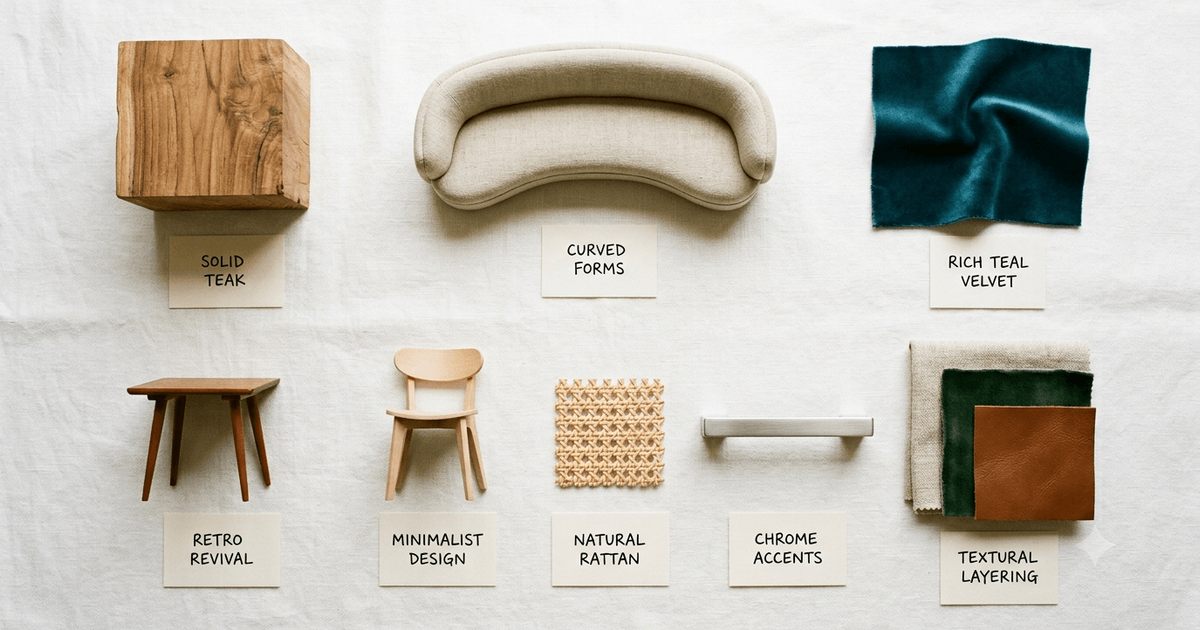
This guide covers the eight furniture trends shaping Australian homes in 2026 — and where Melbourne buyers can find each trend secondhand for a fraction of retail price.
The report combines Australian interior design research with observations from Melbourne's secondhand furniture market through Zirkly.
This is the Zirkly Trend Report 2026. Eight trends, sourced from Australian industry research and design publications, with honest assessments of how to find each one secondhand in Melbourne.
A View from Melbourne's Second-Hand Furniture Market
While furniture trend reports often focus on what's happening in showrooms, the second-hand market tells a different story. Every day, new furniture is listed through Zirkly across Melbourne, revealing what people actually choose to keep, replace, and buy. Those marketplace observations, combined with Australian furniture and design research, shape the trends highlighted in this report.
At a glance — 2026 retail vs Melbourne secondhand prices
| Trend | Key piece | New retail | Secondhand Melbourne |
|---|---|---|---|
| Natural timber | Teak sideboard | $900–$2,800 | $150–$600 |
| Curved organic forms | 3-seater sofa | $1,500–$4,500 | $200–$600 |
| Earthy colour palettes | Velvet sofa | $1,200–$3,500 | $120–$400 |
| Maximalism | Leather armchair | $800–$2,000 | $80–$300 |
| Multifunctional | Standing desk | $500–$1,500 | $150–$450 |
| Scandinavian / MCM | Oak dining table | $900–$2,500 | $150–$450 |
| Cool metallics | Chrome chairs (set of 4) | $600–$1,400 | $60–$200 |
| Vintage revival | 1960s teak sideboard | $800–$2,000 (repro) | $150–$600 (authentic) |
Why Secondhand Furniture Is Growing Faster in Melbourne
Before diving into the trends, it's worth understanding why Melbourne's secondhand furniture market is the right place to find them.
Melbourne is Australia's most active city for secondhand furniture trading — and the data backs this up. According to Gumtree's Trading in the Circular Economy report, Australia's pre-loved goods market is now valued at $62 billion, up from $48 billion in 2021 — a 29 per cent increase in just two years. Furniture is consistently the most searched category on every major Australian secondhand platform.
Melbourne's rental market is a key driver. PropTrack's Listings Report confirmed Melbourne recorded the busiest January for new listings since 2008, with new listings up 27.8% year-on-year. Every household that moves generates furniture that needs a new home — and every new tenant needs to furnish one.
Sustainability is the second driver. According to Fusion Furniture's Australian Furniture Market Trends 2026 analysis, 40% of Australian home improvement projects in 2025 included eco-friendly upgrades — a figure accelerating into 2026. Buying secondhand furniture is the most direct form of sustainable consumption available to Melbourne households: it keeps pieces out of landfill, reduces demand for new production, and delivers better-quality solid timber pieces for less money than new flat-pack equivalents.
The third driver is value. Retail furniture prices in Australia have risen significantly — the average mid-range living room now costs $3,800–$5,700 to furnish new according to industry data. Every 2026 trend in this report is available secondhand in Melbourne at 30 to 60 per cent of retail price, through Zirkly and Melbourne's peer-to-peer market.
It's no surprise that searches for used furniture, secondhand furniture, and affordable furniture in Melbourne continue to grow as more households look for better value and more sustainable ways to furnish their homes.
Furniture Trend 1: Natural and Sustainable Timber Furniture
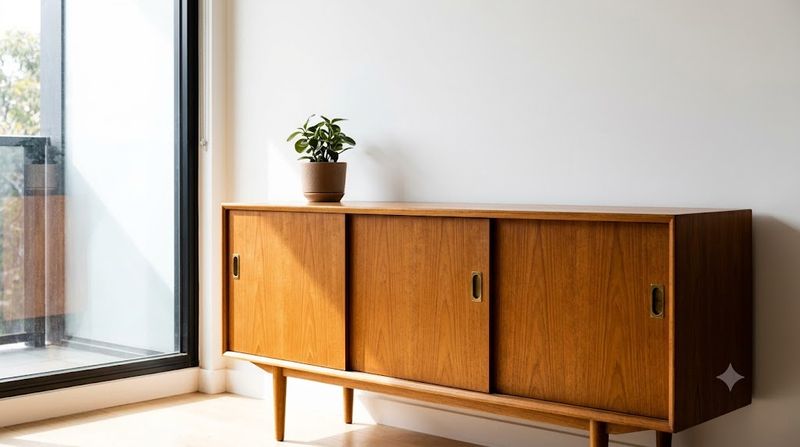
How to Find Oak, Teak, and Rattan Secondhand in Melbourne
What the data says:
According to Fusion Furniture's Australian Furniture Market Trends 2026 analysis, growth in sustainable and eco-friendly furniture is now a central market driver, with 40% of home improvement projects in 2025 including eco-friendly upgrades — a trend accelerating strongly into 2026. Hemp, bamboo, and recycled materials have moved from niche innovation to mainstream design staple.
According to 6WResearch's Australia Furniture Market Outlook, wood furniture — particularly hardwood-based products like oak and teak — is expected to dominate Australian furniture market share, valued for durability, aesthetic appeal, and eco-friendly properties.
According to Bellcourt Property Group's 2026 interior design analysis, timber furniture, stone surfaces, and handmade pieces are becoming more popular as people look for quality items that last — alongside growing interest in vintage and secondhand pieces, which add character and reduce waste.
The consumer shift is not just aesthetic. According to IMARC Group's Australia Interior Design Market research, legislation increasingly supports Net Zero and circular economy principles — meaning sustainability in furniture is no longer a personal preference but a market-wide shift.
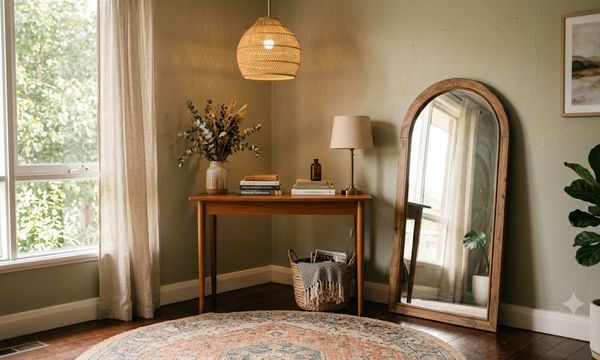
What it looks like: solid oak and teak furniture, linen and cotton upholstery, rattan and cane pieces, stone surfaces, unfinished and raw timber, handmade ceramics and woven textiles.
Retail price range: solid oak dining table, $800–$2,400. Teak sideboard, $900–$2,800. Rattan armchair, $400–$900.
Secondhand price range in Melbourne: solid oak dining table, $150–$450. Teak sideboard, $150–$600. Rattan armchair, $60–$200.
Browse current listings: secondhand dining tables Melbourne · secondhand sideboards Melbourne · secondhand rattan chairs Melbourne
Furniture Trend 2: Curved Sofas and Organic Furniture Forms
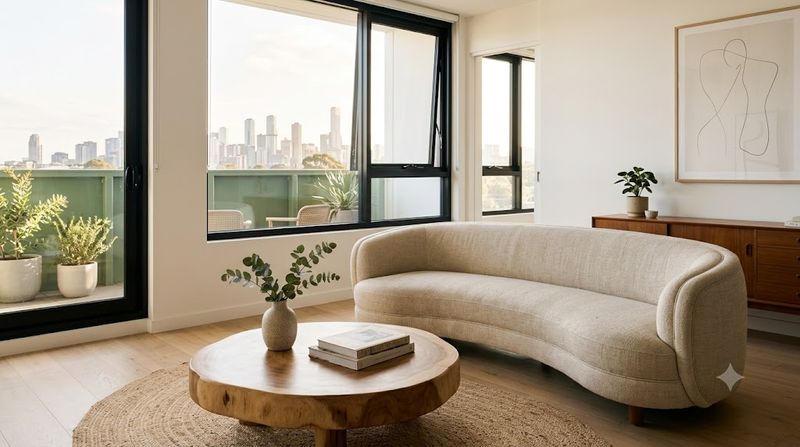
Scouting Curved Lounges and Round Coffee Tables Secondhand
What the data says:
According to Bellcourt Property Group's Australian interior design trend report, curved and organic forms are replacing sharp lines in 2026 — sofas, chairs, and even kitchen islands are becoming softer in appearance, helping spaces feel more relaxed and welcoming.
According to The Canberra Times' 2026 interior design trends analysis, sofa beds, armchairs, and extendable dining sets are shifting toward rounded edges, comfortable backs, and wave-like profiles — sculptural forms that add artistic presence while remaining practical. The same report notes these forms create a soothing flow throughout the home, making them one of 2026's most consistent design directions.
According to ABI Interiors' top interior design trends for 2026, chunky 90s-inspired furniture pieces scaled for modern living are part of the maximalist revival — rounded, plush, oversized forms that prioritise comfort and visual warmth over geometric precision.
What it looks like: rounded sofas with deep cushioning, barrel chairs, organic-form coffee tables, kidney-shaped occasional tables, curved bookshelves, tulip-base dining tables.
Retail price range: curved three-seater sofa, $1,500–$4,500. Barrel armchair, $600–$1,800. Organic coffee table, $400–$1,200.
Secondhand price range in Melbourne: curved sofa (good condition, neutral colour), $200–$600. Barrel chair, $80–$300. Organic coffee table, $60–$200.
Browse current listings: secondhand sofas Melbourne · secondhand armchairs Melbourne · secondhand coffee tables Melbourne
Furniture Trend 3: Earthy and Saturated Colour Palettes for Furniture
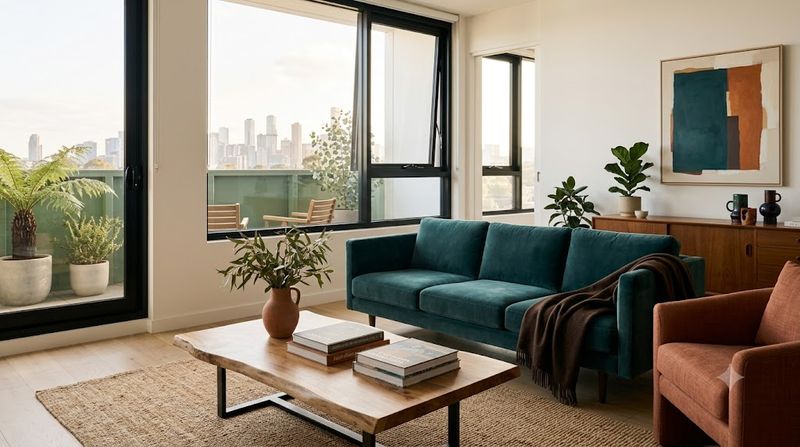
Finding Velvet Sofas and Coloured Armchairs Secondhand in Melbourne
What the data says:
According to ABI Interiors' 2026 interior design trend report, Pantone's 2026 Colour of the Year is "Cloud Dancer" — a serene, lofty off-white signalling a cultural reset toward quiet luxury and mental breathing room. But the broader palette surrounding it tells a different story. Dulux Australia's 2026 "Evoke" and "Elemental" forecasts lean into moody, layered maximalism — rich chocolate browns (Chocolate Treat), warm spicy biscuits, and soft earthy clays sitting alongside atmospheric blues including vibrant cobalt and stormy grey-blue. Rich terracotta, cherry reds, and burgundy from 2025's Mocha Mousse moment are carrying through the second half of 2026 as enduring rather than passing. The result: airy Cloud Dancer walls paired with deeply saturated furniture and accent pieces — contrast, not uniformity.
According to ABI Interiors, the "conscious design went mainstream" trend of 2025 — defined by the mantra "buy less, buy better" — is continuing, with natural stone, light timbers, greenery, and open airflow bringing the emotional ease of the outdoors in. Saturated walls, ceilings, trims, and upholstery remain strong as immersive, mood-driven rooms replace neutral, minimal interiors.
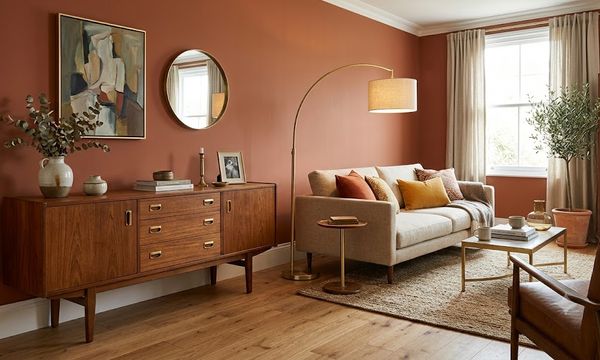
What it looks like: deep teal and cobalt sofas and armchairs, terracotta and rust-toned upholstery, chocolate-brown timber furniture, warm off-white and cream walls paired with rich accents, sage green cabinetry and furniture.
Retail price range: coloured velvet sofa, $1,200–$3,500. Terracotta linen armchair, $600–$1,400.
Secondhand price range in Melbourne: velvet sofa in teal, green, or burgundy, $120–$400. Armchair in earthy tones, $60–$200.
Buyer's note: neutrals always sell fastest in the secondhand market. Coloured upholstery in 2026's palette — teal, terracotta, deep blue — is increasingly in demand but buyers can afford to negotiate, as the pool of buyers for a specific colour is smaller than for grey or beige.
Browse current listings: secondhand velvet sofas Melbourne · secondhand armchairs Melbourne · secondhand furniture Melbourne
Furniture Trend 4: Maximalism and Layered Texture in Australian Homes
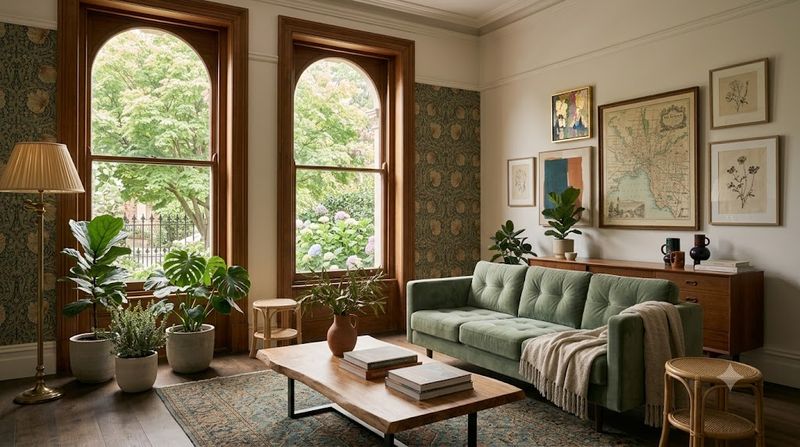
Sourcing Leather Armchairs, Velvet Ottomans, and Statement Pieces Secondhand
What the data says:
According to Vocal Media's Australia Interior Design Market 2026 analysis, interior design trends in early 2026 increasingly favour bold, personalised, and maximalist aesthetics — moving away from minimalist styles toward vibrant colours, handcrafted elements, and expressive interiors.
According to Bellcourt Property Group's 2026 interior design report, interiors are becoming more layered and textured — people are mixing fabrics like linen, velvet, and wool to add depth, creating softer, more inviting spaces that feel less "styled" and more real.
According to ABI Interiors, the maximalist revival includes glamorous Art Deco accents — antique bar carts, leather banquettes — alongside chunky 90s-inspired furniture, with homes designed to feel layered and soulful, where every piece carries meaning.
According to Home Beautiful's dated trends report, bouclé fabric is officially on the way out in 2026 — but the layered texture philosophy it represented is not. Interior designer Jono Fleming's advice: "The trick is mixing textures — don't go all-in with bouclé. Balance a bouclé sofa with a linen throw, a velvet cushion, a leather armchair, a corduroy ottoman." The era of single-material minimalism is over.
What it looks like: layered textiles across a single room, mixed-material furniture (timber and leather, cane and linen), statement rugs, art on walls, eclectic bookshelves, sculptural objects.
Secondhand opportunity: maximalism is the most secondhand-friendly trend of 2026. It rewards collecting individual pieces over time rather than buying a matched set — which is exactly what peer-to-peer furniture markets are built for. A velvet armchair from one seller, a leather ottoman from another, a cane side table from a third — all from Melbourne neighbours at private-seller prices — creates a maximalist room that a retail interior would cost $8,000 to achieve.
Browse current listings: secondhand armchairs Melbourne · secondhand sofas Melbourne · secondhand storage and cabinets Melbourne
Furniture Trend 5: Multifunctional and Modular Furniture for Compact Living
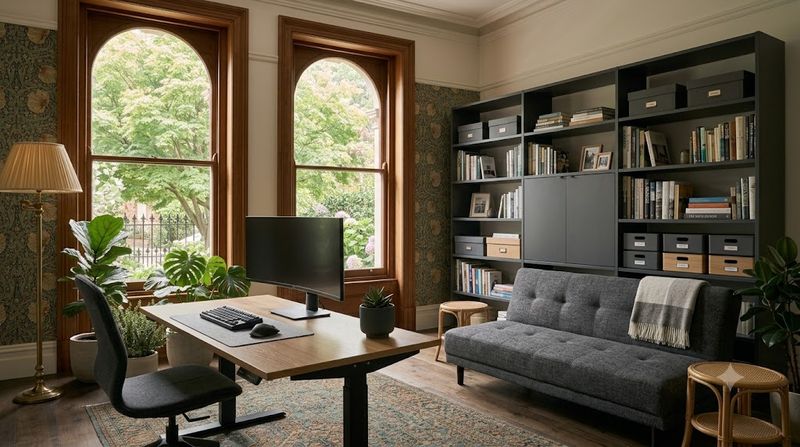
Where to Find Standing Desks, Sofa Beds, and Extendable Dining Tables Secondhand
What the data says:
According to Fusion Furniture's Australian Furniture Market Trends 2026, Australia has added over 180,000 new homes since 2023, with the residential boom driving demand for smart, multifunctional furniture rather than large statement pieces. Remote work has made home offices essential, urban living has compressed spaces, and younger generations prioritise flexibility and adaptability over permanence. The result: multifunctional furniture is no longer a niche preference — it is table stakes for competing in Australian retail.
According to 6WResearch's Australia Furniture Market Outlook, smart furniture integrated with charging ports and lighting solutions, and Scandinavian-style minimalist pieces suited to compact spaces, are both trending strongly. The IMARC Group's data on the Australian interior design market further confirms that flexible and multifunctional spaces — supporting remote work, hybrid lifestyles, and compact living — are a key market driver into 2026.
What it looks like: sofa beds, extendable dining tables, storage ottomans, wall-mounted fold-down desks, modular shelving systems, convertible coffee tables.
Retail price range: electric standing desk, $500–$1,500. Extendable dining table, $600–$2,000. Storage ottoman, $300–$800.
Secondhand price range in Melbourne: electric standing desk, $150–$450. Extendable dining table, $100–$400. Storage ottoman, $40–$150.
Browse current listings: secondhand home office furniture Melbourne · secondhand storage and cabinets Melbourne · secondhand dining tables Melbourne
Furniture Trend 6: Scandinavian Design and Minimalist Luxury Furniture
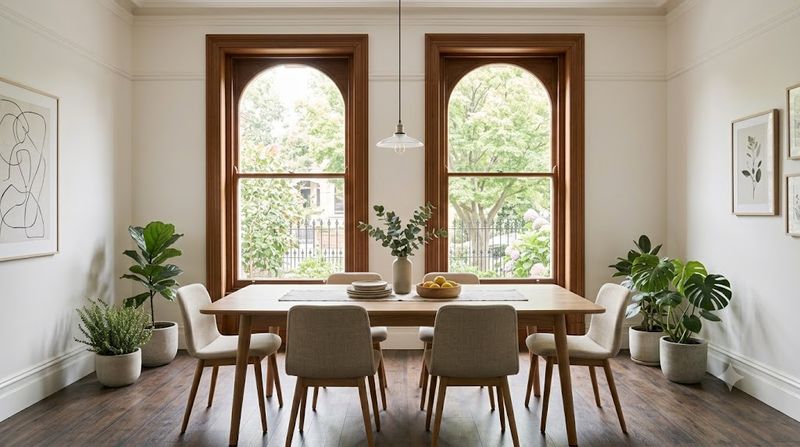
Sourcing Mid-Century Modern and Vintage Danish Furniture in Melbourne
What the data says:
According to OZ Furniture's Popular Furniture Styles in Australian Homes 2026, Scandinavian design remains popular in Australian apartments — particularly well-suited to smaller homes where space and natural light are key priorities, with urbanisation in Australia projected to reach 86%. The same report notes that modern Australian furniture — blending contemporary design with warmth and comfort rather than sharp minimalism — is the leading style in 2026 because it feels natural, adaptable, and timeless.
According to The Canberra Times' 2026 furniture trend analysis, minimalist luxury is a defined 2026 trend — simplicity meets premium craftsmanship, with furniture featuring clean lines, high-quality materials, subtle hardware, and restrained detailing. The result is a look described as "clean, expensive, and timeless."
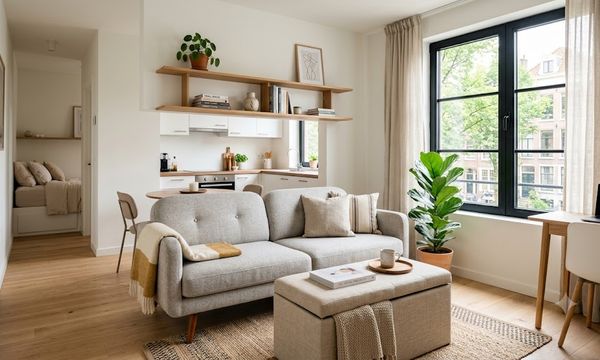
What it looks like: solid oak and birch furniture with clean lines, tapered legs, neutral upholstery in natural fabrics, minimal hardware, uncluttered layouts, BILLY bookshelves and PAX wardrobes in a well-considered space.
Retail price range: solid oak Scandinavian-style dining table, $900–$2,500. Danish-influenced armchair, $700–$2,000.
Secondhand price range in Melbourne: solid oak Scandinavian-style dining table, $150–$450. Danish-influenced armchair, $80–$350. IKEA pieces in good condition, $20–$120.
Secondhand note: Melbourne is exceptionally well-supplied with genuine Scandinavian vintage pieces — teak, walnut, and oak furniture from the 1950s–1970s that pioneered this aesthetic. A genuine Danish teak sideboard found for $150–$400 in Melbourne's secondhand market delivers the aesthetic that a new Scandinavian-inspired retailer charges $1,200–$2,500 to replicate.
Browse current listings: secondhand Scandinavian furniture Melbourne · vintage Danish teak sideboards Melbourne · secondhand dining tables Melbourne
Furniture Trend 7: Cool Metallics — Chrome Dining Chairs, Silver Frames, and Brushed Nickel
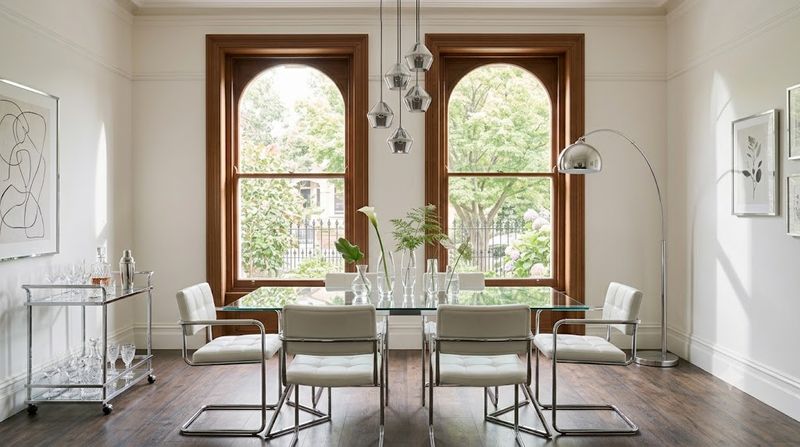
Finding Chrome and Silver Furniture Secondhand in Melbourne
What the data says:
According to ABI Interiors' 2026 design trend report, while brass and bronze have ruled for the better part of a decade, 2026 interior design trends are seeing a full-circle return to cooler metallics. Designers are leaning heavily into silver, chrome, stainless steel, and brushed nickel as a way to bring a sleek, contemporary edge back into interiors. The same report describes this as "a more nuanced, European-influenced revival" — not the sterile chrome of early-2000s bathrooms, but polished silver and chrome in furniture legs, lighting, and hardware with warmth and character.
This trend has a direct secondhand implication: chrome and brushed nickel furniture — bar carts, chrome-legged dining tables, silver-frame mirrors, stainless steel shelving — were widely produced in the 1970s, 1980s, and 1990s and fell out of fashion in the brass era of the 2010s. Melbourne's secondhand market is well-stocked with these pieces at very low prices from sellers who replaced them with brass and gold.
What it looks like: chrome dining chair frames, brushed nickel cabinet hardware, silver-frame mirrors, stainless steel bar carts, chrome floor lamps, polished silver decorative objects.
Retail price range: chrome and upholstered dining chairs (set of 4), $600–$1,400. Chrome floor lamp, $200–$500.
Secondhand price range in Melbourne: chrome dining chairs (set of 4), $60–$200. Chrome floor lamp, $20–$80.
Secondhand opportunity: this is the single biggest arbitrage opportunity in Melbourne's 2026 secondhand furniture market. Chrome and silver pieces that retailers are selling at a premium are available secondhand at prices that reflect their out-of-fashion status from five years ago — not their current desirability.
Browse current listings: secondhand chrome dining chairs Melbourne · secondhand bar carts Melbourne · secondhand furniture Melbourne
Furniture Trend 8: Vintage and Retro Revival — Teak Sideboards, Parker Sets, and Art Deco Pieces
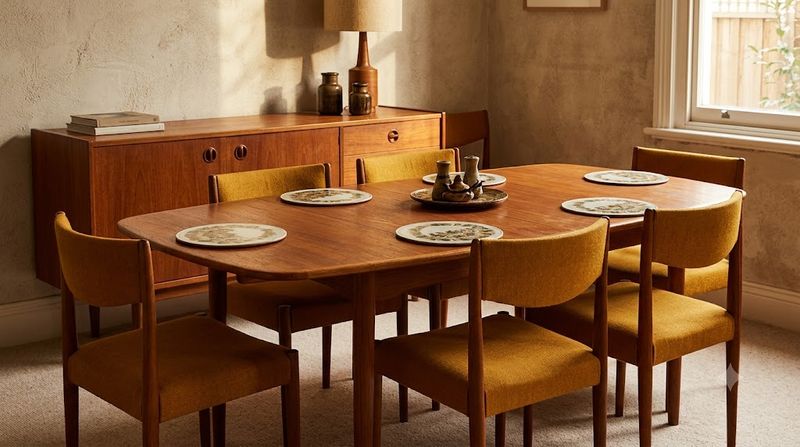
Finding Authentic Vintage Furniture in Melbourne
What the data says:
According to The Canberra Times' 2026 interior design report, retro influences continue to resurface in 2026 with a more mature approach — blending past and present into a cohesive style, with antique rugs and character-rich pieces creating interiors that feel meaningful rather than manufactured. Layering personal history into décor is described as becoming a signature of 2026 interiors.
According to Bellcourt Property Group's 2026 analysis, growing interest in vintage and secondhand pieces is explicitly identified as a 2026 trend — adding character and reducing waste. According to ABI Interiors, the maximalist revival includes glamorous Art Deco accents alongside chunky 90s-inspired furniture pieces, creating homes that feel layered and soulful.
What it looks like: 1960s–1970s teak sideboards and credenzas, Parker dining sets, Featherston-style lounge chairs, Art Deco drinks cabinets, 1990s chunky timber pieces, vintage bar carts, mid-century occasional tables.
Retail price range: vintage-style teak sideboard (new reproduction), $800–$2,000. Art Deco display cabinet (new), $600–$1,800.
Secondhand price range in Melbourne: authentic 1960s teak sideboard, $150–$600. Parker-style dining set, $200–$500. 1970s Australian timber pieces, $60–$250.
Secondhand note: this is the trend where secondhand doesn't just replicate the aesthetic — it delivers the authentic article. A new reproduction teak sideboard costs $1,200 and mimics the mid-century look. An authentic 1960s Danish teak sideboard found through Melbourne's secondhand market costs $200 and is the real thing. The trend is the history. Secondhand is the only way to own it genuinely.
Browse current listings: vintage furniture Melbourne · secondhand teak sideboards Melbourne · mid-century furniture Melbourne
What's Out in 2026 — Furniture Trends Falling Out of Fashion
Every trend report should be honest about what's declining, not just what's rising. These are the furniture trends losing momentum in Australian homes in 2026 — and what to do if you already own them.
Full bouclé rooms
According to Home Beautiful's 2026 dated decorating trends report, bouclé fabric has become overused — described by Greenhouse Interiors founder Julia Green as "being used less and less," with MasterChef alum Karlie Verkerk stating on The Edit podcast: "I can't stand it anymore. I can't see another bouclé thing." Interior designer Jono Fleming's verdict: "Trends have short lifespans." The loopy, woolly texture has been applied to everything from sofas to dog collars, and the saturation has killed its appeal.
What to do if you own bouclé: don't panic and don't replace it. The advice from Home Beautiful is to mix textures around it — a linen throw, a velvet cushion, a leather armchair — rather than a full bouclé room. One bouclé piece in a layered maximalist room is fine. A fully bouclé living room is 2023.
The secondhand angle: bouclé pieces are flooding Melbourne's secondhand market as owners replace them. This is actually a buyer's opportunity — a quality bouclé occasional chair at $40–$80 that you style correctly into a mixed-texture room is excellent value.
Grey-on-grey interiors
The grey-everything aesthetic that dominated Australian interiors from 2015–2023 — grey walls, grey sofas, grey rugs, grey floors — is definitively over. According to ABI Interiors' 2026 design trend report, the shift is toward saturated, soulful hues — atmospheric blues, deep browns, terracotta — paired with warm off-white rather than cool grey. Grey reads as flat and emotionally cold against the warmth-focused aesthetic of 2026.
What to do if you own a grey sofa: style warm around it. A terracotta throw, a warm timber coffee table, warm-toned artwork — grey furniture doesn't need to go, it needs context. A grey sofa against warm off-white walls with timber accents looks contemporary. The same sofa against grey walls with chrome accents looks dated.
The secondhand angle: grey sofas are one of the most commonly listed pieces in Melbourne's secondhand furniture market — supply is high and prices are competitive. For buyers who want to style correctly around a grey base, this is the best value category in the market right now.
Matching furniture suites
The era of buying an entire room from a single retailer is fading. Australian homes in 2026 increasingly mix vintage, secondhand, designer, and inherited pieces rather than matching suites. According to Bellcourt Property Group's 2026 interior design analysis, 2026 interiors prioritise personality and individuality — unique pieces that reflect the owner, not coordinated sets that reflect a retailer's floor display.
The secondhand angle: this is directly good for Zirkly and Melbourne's peer-to-peer furniture market. Buying individual pieces from different sellers across different suburbs — a timber dining table from one, mismatched chairs from another, a vintage sideboard from a third — is exactly how 2026's most desirable interiors are being built. The "unmatched" room is no longer a budget compromise. It's the trend.
Fast furniture
The broader cultural shift away from cheap, disposable furniture — flat-pack designed to last three years before being replaced — is accelerating in 2026. According to Fusion Furniture's Australian Furniture Market Trends 2026 analysis, 40% of Australian home improvement projects in 2025 included eco-friendly upgrades, and sustainability is now a primary purchase driver rather than a secondary consideration. Fast furniture — MDF, particle board, low-cost imports designed for replacement — is incompatible with this direction.
The secondhand angle: fast furniture also holds no secondhand value. A $200 flat-pack bookshelf that costs $15 secondhand illustrates the point. Quality solid timber furniture, bought secondhand, is the antithesis of the fast furniture model — it lasts, it holds value, and it reflects the values that 2026 buyers are increasingly applying to every purchase decision.
Best Melbourne Suburbs for Secondhand Furniture in 2026
Melbourne's secondhand furniture market is hyperlocal. Where you search determines what you find — and how much you pay.
Brunswick, Fitzroy, and Northcote — inner north The highest concentration of vintage and mid-century pieces in Melbourne. Design-literate households, regular turnover, and proximity to specialist dealers (Grandfather's Axe, 20th Century Scandinavia) makes this the best corridor for Trends 6 and 8 — Scandinavian, MCM, vintage teak.
Prahran, Armadale, and Brighton — inner south Design-forward households with high-end pieces that flip quickly. Best for Trends 2, 3, and 4 — curved sofas, velvet armchairs, and layered texture pieces from design-conscious upgraders.
Bentleigh, Bentleigh East, Carnegie, and Ormond — inner southeast Owner-occupier family homes generating quality solid timber furniture on downsizing. Best for Trends 1 and 5 — oak dining tables, timber sideboards, standing desks, and storage furniture priced to move.
Moorabbin, McKinnon, and Caulfield — southeast Strong peer-to-peer listing density, good mix of everyday practical pieces and the occasional vintage find. Consistently good value across all eight trend categories.
Clayton, Dandenong, and Cranbourne — outer southeast Budget-first buying. Large op shops (Salvos Cranbourne North) and Recyclers Depot in Clayton for pieces at very low prices. Best for Trend 4 (maximalism) — individual eclectic pieces at minimal cost.
Search by your suburb on Zirkly to see what's currently listed near you.
Where to find every 2026 trend secondhand in Melbourne
Every trend in this report is available secondhand in Melbourne today. The channel determines the price.
Peer-to-peer — the best value for every trend
Zirkly is Melbourne's dedicated secondhand furniture marketplace — search by suburb and category to find what Melbourne locals are listing this week. Every trend in this report surfaces regularly across the marketplace.
For Trend 1 and Trend 6, browse the latest listings for used timber dining tables and vintage sideboards listed directly by local residents across Melbourne's inner suburbs.
If you are hunting for velvet pieces, curved shapes, or layered textures (Trends 2, 3, and 4), check out secondhand sofas and armchairs listed in design-forward inner-south pockets like Prahran, Armadale, and Brighton — where design-conscious households flip quality pieces quickly. For solid timber dining sets, rattan chairs, or modular storage (Trends 1 and 5), keep an eye on family-oriented downsizer listings in Bentleigh, Carnegie, Ormond, and Moorabbin — owner-occupier suburbs where pieces have been well cared for and are priced to move.
For Trends 5 and 7, browse secondhand home office furniture and storage — standing desks, chrome dining chairs, and modular shelving listed by Melbourne neighbours who want them gone this week.
Buyers in Melbourne's inner north — Brunswick, Fitzroy, Northcote — will find the strongest selection of Trend 6 (Scandinavian) and Trend 8 (vintage retro) pieces both through peer-to-peer search and the specialist dealers in that corridor. In the inner southeast — Bentleigh East, Carnegie, McKinnon, Moorabbin — everyday trend pieces across all eight categories appear regularly from owner-occupier households upgrading or downsizing.
Sunday markets — for discovery and vintage finds
Camberwell Sunday Market (every Sunday, 7:00 am–12:30 pm, Camberwell VIC 3124) is Melbourne's best source for vintage and retro pieces, chrome metallics, and MCM occasional furniture at below-dealer prices. Arrive before 8:00 am for the best selection.
Bentleigh Sunday Market (every Sunday, 7:00 am–12:00 pm, Bentleigh Railway Station car park) is well-suited to inner southeast Melbourne buyers for everyday trend pieces at low prices.
Vintage dealers — for authenticated pieces
For Trend 8 (vintage revival) and Trend 6 (Scandinavian/MCM), Melbourne's specialist dealers — Grandfather's Axe in Collingwood, 20th Century Scandinavia in Brunswick East — provide authenticated, restored pieces. Expect dealer prices (2x to 4x private seller prices) in exchange for authentication and provenance.
Op shops — for layered texture and maximalism
Salvos (Cranbourne North, Moorabbin) and Vinnies (Hampton) are the best op shop channels for Trend 4 (maximalism and layered texture) — individual pieces at very low prices that combine to create an eclectic, layered room over time.
The Zirkly secondhand price benchmark — what each trend costs in Melbourne's market
| 2026 Trend | Retail price range | Secondhand Melbourne |
|---|---|---|
| Natural and sustainable materials (solid oak table) | $800–$2,400 | $150–$450 |
| Curved organic forms (3-seater sofa) | $1,500–$4,500 | $200–$600 |
| Earthy colour palettes (velvet sofa) | $1,200–$3,500 | $120–$400 |
| Maximalism (leather armchair) | $800–$2,000 | $80–$300 |
| Multifunctional (standing desk) | $500–$1,500 | $150–$450 |
| Scandinavian / minimalist luxury (oak dining table) | $900–$2,500 | $150–$450 |
| Cool metallics (chrome dining chairs, set of 4) | $600–$1,400 | $60–$200 |
| Vintage revival (1960s teak sideboard) | $800–$2,000 (reproduction) | $150–$600 (authentic) |
Every trend. Every piece. Available in Melbourne this week — at 30 to 60 per cent of retail, or less.
Browse Secondhand Furniture Listings in Melbourne on Zirkly →
Frequently Asked Questions
What are the biggest furniture trends in Australia in 2026?
Australia's dominant furniture trends in 2026 are natural and sustainable materials (solid timber, bamboo, rattan), curved and organic forms replacing sharp lines, earthy and saturated colour palettes led by deep blues, terracotta, and chocolate browns, maximalism and layered texture, multifunctional furniture for compact living, Scandinavian and minimalist luxury design, cool metallics (chrome, brushed nickel), and a vintage and retro revival. These are documented across multiple Australian design and industry sources including IMARC Group, Fusion Furniture, and ABI Interiors.
Can I find 2026 furniture trends secondhand in Melbourne?
Yes — every major 2026 furniture trend is available secondhand in Melbourne. Natural timber pieces, curved organic sofas, Scandinavian furniture, vintage teak sideboards, and chrome metallic pieces all circulate through Melbourne's peer-to-peer market regularly, listed by locals at 30 to 60 per cent of retail price. Search by category and suburb on Zirkly to find what's available near you this week.
What is the 2026 Pantone Colour of the Year and how does it affect furniture?
According to ABI Interiors, Pantone's 2026 Colour of the Year is "Cloud Dancer" — a soft, serene off-white signalling a cultural move toward quiet luxury and mental breathing room. For furniture, Cloud Dancer works as a wall and base tone rather than a furniture colour itself. The palette around it includes Dulux Australia's "Evoke" and "Elemental" forecasts — rich chocolate browns, earthy clays, and saturated blues — meaning furniture in deep blue, warm brown, terracotta, and earthy tones paired with Cloud Dancer walls is the defining 2026 combination.
Is bouclé furniture still on trend in 2026?
No. According to Home Beautiful's 2026 dated trends report, bouclé fabric is officially declining — described by multiple interior designers as overused. If you already own bouclé, the advice is to balance it with mixed textures (velvet cushions, linen throws, leather pieces) rather than a full bouclé room. The layered texture trend replaces it — mixing fabrics rather than going all-in on one.
What furniture trend offers the best secondhand value in Melbourne in 2026?
Cool metallics (chrome, silver, brushed nickel) offer the single biggest price gap between retail and secondhand. Chrome and silver furniture that fell out of fashion in the brass era of the 2010s is still priced in Melbourne's secondhand market at bargain levels — $60–$200 for sets of chrome dining chairs that retail for $600–$1,400 new. As the cool metallic trend gains momentum in 2026, this gap will narrow.
Where is the best place to find vintage furniture for Melbourne's 2026 retro revival trend?
For authentic vintage pieces — 1960s Danish teak, Parker dining sets, Art Deco cabinets — Melbourne's peer-to-peer secondhand market offers the best value, with pieces regularly listed by private sellers at $150–$600. Specialist dealers Grandfather's Axe (Collingwood) and 20th Century Scandinavia (Brunswick East) offer authenticated, restored pieces at higher prices. Camberwell Sunday Market (every Sunday, 7:00 am–12:30 pm) surfaces genuine vintage pieces regularly at below-dealer prices.
How much does it cost to furnish a Melbourne home in 2026 trends secondhand vs new?
A living room furnished new with 2026 trend pieces — curved sofa, natural timber coffee table, Scandinavian bookshelf, layered textiles — would cost $4,000–$9,000 from Australian retailers. The same room furnished secondhand through Melbourne's peer-to-peer market would cost $500–$1,500, with the added benefit that every piece has history and character that new furniture cannot replicate. Our guide on how to furnish a Melbourne apartment on a budget covers this in full.
Where can I buy secondhand furniture in Melbourne?
Zirkly is Melbourne's dedicated secondhand furniture marketplace — every listing is furniture, every seller is a local resident, and you can search by suburb to find pieces near you today. Camberwell Sunday Market (every Sunday, 7:00 am–12:30 pm) and Bentleigh Sunday Market (every Sunday, 7:00 am–12:00 pm) are Melbourne's best markets for furniture discovery. Op shops (Salvos Cranbourne North, Vinnies Hampton) offer very low prices for budget buyers. Our full guide: Where to Buy Secondhand Furniture in Melbourne.
What furniture holds its value best?
Solid timber furniture — particularly hardwood, oak, teak, and walnut — holds its value best in the secondhand market. Genuine mid-century Scandinavian pieces (Danish teak, Parker furniture) often appreciate rather than depreciate. Flat-pack and MDF furniture depreciates fastest. As a rule: the more solid the material and the more recognisable the design, the stronger the resale value.
Is vintage furniture worth buying in 2026?
Yes — particularly in 2026, when the vintage and retro revival trend is documented across multiple Australian design publications. Authentic vintage furniture delivers the aesthetic that 2026 buyers are seeking, at a fraction of what a reproduction costs new. A real 1960s Danish teak sideboard at $200 secondhand is better value and more authentic than a $1,200 reproduction. Our guide to identifying and valuing vintage furniture covers what to look for.
Are teak sideboards still popular in 2026?
Yes — more so than ever. Teak sideboards are central to both the Scandinavian minimalist luxury trend and the vintage retro revival documented in this report. Melbourne's vintage dealer market prices authentic 1960s Danish teak sideboards at $700–$1,400. The peer-to-peer market regularly surfaces equivalent pieces at $150–$600 from private sellers who don't always recognise what they have. Teak sideboards are one of the single best secondhand furniture buys available in Melbourne right now.
What is Scandinavian furniture and where can I find it in Melbourne?
Scandinavian furniture refers to the design movement from Denmark, Sweden, Norway, and Finland in the 1950s–1970s — characterised by clean lines, solid timber construction (typically teak, walnut, or oak), tapered legs, minimal ornamentation, and high craftsmanship. In Melbourne, authentic Scandinavian pieces are found through specialist dealers (20th Century Scandinavia in Brunswick East, Grandfather's Axe in Collingwood), Camberwell Sunday Market, and through peer-to-peer search on Zirkly using keywords "teak", "Danish", "Scandinavian", or "mid-century".
What furniture trends are out of style in 2026?
According to Home Beautiful's 2026 dated trends report and ABI Interiors, the furniture trends losing momentum in 2026 are: full bouclé rooms (overused — one piece is fine, a full room is dated), grey-on-grey interiors (shifting toward saturated blues, terracotta, and warm browns), matching furniture suites (replaced by individual, personality-driven pieces), and fast furniture (incompatible with 2026's sustainability-first consumer values). If you own any of these, the fix is usually styling rather than replacement.
What is the difference between 2025 and 2026 furniture trends in Australia?
The shift from 2025 to 2026 is primarily about a dual cultural reset. While 2026 embraces Pantone's serene off-white "Cloud Dancer" as its Colour of the Year — signalling a move toward quiet luxury and mental breathing room — Australia's local palettes are simultaneously moving in the opposite direction. Dulux Australia's 2026 "Evoke" and "Elemental" forecasts lean into moody, layered maximalism with rich chocolate browns, saturated blues, and earthy clays. The result is a year defined by contrast: airy minimalist base tones paired with deeply saturated accent pieces. In 2025, Pantone's Mocha Mousse anchored interiors in rich browns and terracottas. In 2026, those warm tones continue but are joined by cool metallics, vintage revival, and maximalist layering — with bouclé, grey-on-grey interiors, and matching suites officially declining.
Sujith
Zirkly Team
Sujith is the Founder of Zirkly — Melbourne's dedicated secondhand furniture marketplace. With over 20 years of experience building digital products and leading product strategy, he writes about the secondhand furniture market, consumer behaviour, and the circular economy. His perspective combines technology, market research, and the experience of building a peer-to-peer furniture platform.