Selling Furniture From a Deceased Estate in Melbourne: A Practical, Gentle Guide
Auction, clearance service, local sale or donation — what each honestly returns to the estate, what might be valuable, and why the paper trail matters.
Clearing a home after someone dies is one of the hardest practical jobs there is. Every wardrobe holds a memory, the timeline is rarely yours to choose, and the whole task usually lands on one or two family members who are grieving while they work.
This guide won't pretend any of that away. Whether you're the executor, a family member or simply the one helping, it walks through selling furniture from a deceased estate in Melbourne, donating what isn't needed and dealing with the rest — while keeping the records an estate needs. A calm order of operations, so the practical side takes up less room than it otherwise would.
Plus the estate furniture checklist and frequently asked questions at the end.
First: there's less rush than it feels
Unless the property is rented or a settlement date is already fixed, the furniture can usually wait weeks or months — and in the early days, waiting is often the right call for legal reasons as well as emotional ones.
An executor's first duty is to secure and protect the estate's assets, and significant items generally shouldn't be given away or sold before the estate's legal position is clear. The Supreme Court of Victoria's probate guidance explains grants of probate and administration, including when a grant is and isn't needed — and if anything about the estate is unclear or contested, speak with a lawyer before the furniture moves anywhere. Nothing in this guide is legal advice; it's the practical layer that sits after those questions are settled.
In the meantime, lock the house, keep the utilities on and let the furniture sit. It isn't going anywhere, and neither should you feel you have to.
Sort with the family before anything is listed
Before a single piece is photographed, walk the house with the family — together if you can, on a video call if you can't. Three passes work well:
Keepsakes first. The pieces someone genuinely wants, for the memory rather than the money. Decide these openly as a group — settling them together now prevents quiet hurt later.
Photographs second. For pieces nobody can keep but everyone will miss, take good photos before they go. A photograph of a much-loved armchair costs nothing to keep forever.
Then the sell, donate and let-go decisions — which is where the rest of this guide takes over.
One walkthrough done properly prevents the most painful version of this process: a piece sold quickly that someone quietly wanted.
Spot the pieces that may be worth real money
Older Melbourne homes are exactly where genuinely valuable furniture surfaces — and it rarely looks valuable to the family that grew up with it. Before anything is priced casually or put on the nature strip, check for:
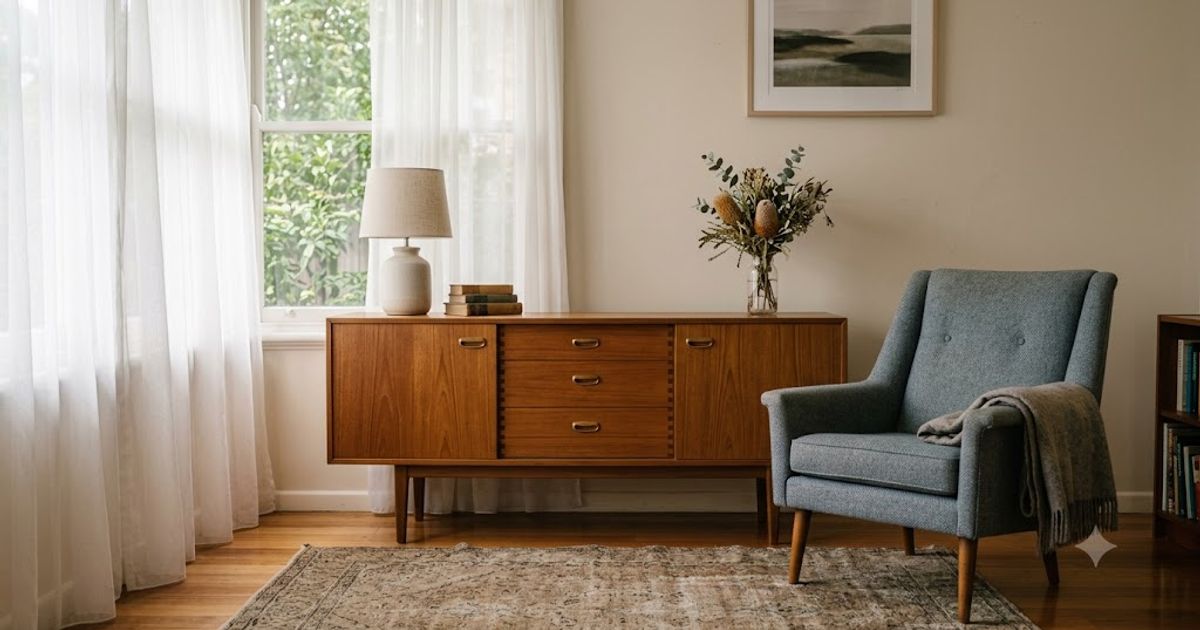
- Mid-century pieces — Australian makers from the 1950s to 1970s, teak and walnut sideboards, lounge suites and dining settings. Our guide to vintage versus secondhand furniture and what's worth more covers how to tell the difference.
- Solid timber construction — dovetail joints, timber drawer runners, real weight. The same checks buyers use are in our guide to telling if secondhand furniture is good quality.
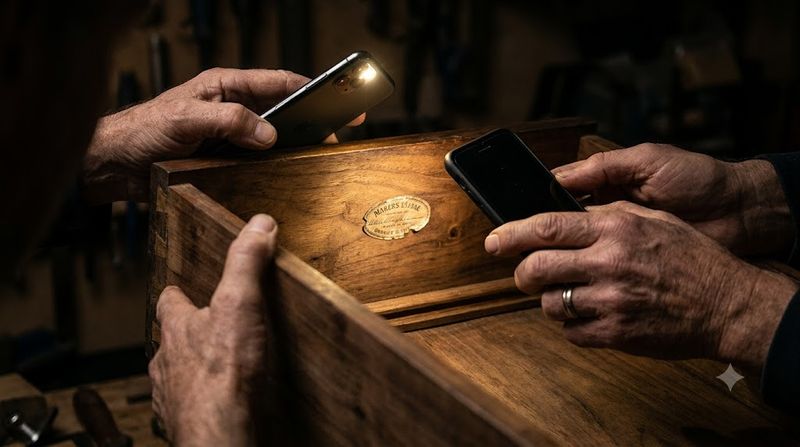
- Maker's marks and labels — under drawers, behind cabinets, beneath seats. Photograph any label you find before deciding anything.
For pieces that look genuinely significant, an appraisal or an auction house opinion is worth getting — that's the category auctions exist for. For everything below that bar, read on.
It's worth knowing, too, that some buyers specifically look for deceased estate furniture — older Melbourne homes are known for solid timber and mid-century pieces, and collectors and restorers watch for estate listings for exactly that reason. What feels like a burden to clear is, to the right buyer, precisely what they've been searching for.
Your options for the rest, honestly compared
Most estate furniture isn't auction-grade, and the options for it differ sharply in what they return to the estate.
Auction houses suit the valuable minority. For ordinary household furniture, seller's commissions and fees take a meaningful share of the hammer price, unsold lots can come back to you, and transport to the saleroom is usually yours to arrange.
Estate clearance services are the fastest full-stop option — some take everything for a flat fee or in exchange for the contents. That speed is real, and sometimes it's exactly what a family needs. Be clear-eyed about the trade: it's generally the lowest financial return of any option, and everything goes, including pieces that would have sold well on their own.
Selling locally returns the most to the estate for ordinary, functional furniture: there are no seller commissions, buyers collect the pieces themselves, and payment goes directly to the estate. The honest trade-off is time — it suits families with several weeks rather than several days. On Zirkly the AI writes each listing from a few photos, which matters when you're listing a whole household while managing everything else. The founder's playbook on selling secondhand furniture faster covers the method, and our guide to pricing secondhand furniture in Melbourne will keep the numbers realistic without underselling.
Donation suits clean, sound pieces the family would rather see used than sold — Vinnies' furniture donation service collects by booked pickup, though charities apply resale standards and drivers can decline items on the day.
For whatever remains after all of that, our decision guide on what to do with old furniture in Melbourne walks the sell-donate-or-hard-rubbish question piece by piece.
At a glance:
| Option | Money to the estate | Speed | Best for |
|---|---|---|---|
| Local sale | Highest | A few weeks | Ordinary, functional furniture |
| Auction | High, for the right pieces | Slow | Genuinely valuable antiques and mid-century |
| Estate clearance service | Lowest | Fastest | Whole house on a hard deadline |
| Charity donation | None | Book ahead | Clean, near-new pieces |
| Council hard waste | None | Booked, limited | Broken or unsanitary items |
Why the paper trail matters more in an estate
Estate sales carry an obligation ordinary secondhand sales don't. Executors are required to keep records of the estate's transactions, and beneficiaries are entitled to transparency about what was sold and for how much.
Start with a simple inventory. Before anything leaves the house, a plain spreadsheet — item, room, kept/sold/donated, sale price, buyer, date — takes an evening to set up and makes estate accounting dramatically easier months later. It also settles family questions early, while they're still just questions: everyone can see what went where.
Then there's how the money moves. Cash is the wrong way to sell estate furniture. Every PayID payment lands in a bank account with the amount, the date and both parties on record — a transaction history that slots straight into estate accounting and answers any later question before it's asked. Sell twenty pieces for cash and you're keeping a shoebox ledger on trust; sell them by PayID and the bank statement is the ledger, matched line by line against the inventory.
One practical note: some banks hold or review first-time transfers to a new payee as a security measure. Wait until the payment shows in your account — not on the buyer's screen — before the furniture leaves the house.
Selling when nobody lives at the house
Estate sales usually mean an empty property, which changes the logistics. A few things make it manageable:
- Batch the handovers. Set one or two windows a week — a Saturday morning, a Wednesday evening — and steer every buyer into them. You make one trip to the house instead of seven, and the rooms empty in visible stages.
- List by room. Photographing and listing one room at a time keeps the job bounded and gives each session a finish line.
- Meet buyers sensibly. Have someone with you for handovers at an empty house where you can, keep payment to PayID on the spot, and if anything about a buyer feels off, our guide on spotting a secondhand furniture scam covers the warning signs — estates do attract lowball operators, and you owe them nothing.
Most buyers will be nearby, which keeps every one of those trips short — for a sense of what moves in Melbourne's south-east, browse second hand furniture in McKinnon.
Be kind to yourself about the timeline
A house doesn't have to empty in a fortnight. Families who give the process a season rather than a weekend consistently report the same two things: fewer regrets about what left, and better prices for what sold — because nothing was let go in a rush.
If the house must be cleared fast, use the options in section four in combination: sell the pieces with obvious value, donate the near-new, book the council collection for the broken, and let a clearance service clear what's left if the deadline demands it. And if it can wait — let it. The furniture will still be there when you're ready, and so will the buyers.
The estate furniture checklist
- Secure the home and let the furniture wait
- Confirm the estate's legal position before anything is sold
- Walk the house with the family: keepsakes, then photographs, then decisions
- Photograph maker's marks and get opinions on anything that looks significant
- Start the inventory spreadsheet before the first piece leaves
- Sell ordinary functional pieces locally; auction only the genuinely valuable
- Book charity pickups for the near-new; book council collection for the broken
- Take every payment by PayID and match it against the inventory
When the family's ready, listing on Zirkly is free — the AI writes each listing from a few photos, buyers collect from the house, and every sale is on record for the estate. There's no hurry; see what finds new homes at second hand furniture in Melbourne whenever the time is right.
Frequently Asked Questions
Can furniture be sold before probate is granted?
Generally, significant estate assets shouldn't be sold or given away before the estate's legal authority is settled, and an executor's early duty is to secure assets, not distribute them. Whether a grant of probate is needed at all depends on the estate — the Supreme Court of Victoria publishes guidance on when grants apply, and a lawyer can confirm the position for your situation before anything is sold.
How do I know if deceased estate furniture is valuable?
Look for mid-century Australian pieces, solid timber construction, dovetail joints and any maker's marks or labels under drawers and behind cabinets. Photograph labels before deciding anything, and get an appraisal or auction house opinion for pieces that look genuinely significant rather than guessing.
Is it better to auction estate furniture or sell it locally?
Auctions suit the genuinely valuable minority, where specialist buyers justify the commissions and freight. For ordinary functional furniture, selling locally usually returns more to the estate because there's no commission, buyers collect the pieces, and payment is direct and recorded.
What should we do with estate furniture nobody in the family wants?
Work through it in order of return: sell the functional pieces locally, donate the near-new ones by booked charity pickup, and reserve council hard waste collection for anything broken or unsanitary. Selling and donating both keep pieces in use, and selling adds to the estate rather than costing it.
Is it wrong to sell a parent's furniture?
No — and most families find the opposite. A piece that goes to a local home gets used and cared for rather than stored or landfilled, and keeping photographs preserves the memory without keeping the wardrobe. Keep the pieces that genuinely matter, and let the rest carry on being furniture.
Should estate furniture be professionally valued?
For most household furniture, no — realistic local market pricing is enough, and a valuation would cost more than it adds. Professional valuation earns its fee when a piece shows the markers of genuine value (maker's labels, recognised mid-century designers, fine antiques), when the estate is complex, or when beneficiaries want an independent number on record before significant pieces are sold.
How long does it take to clear a house of furniture?
With no deadline, give it a season — listing room by room over one to three months produces fewer regrets and better prices than a rushed clearance. Under a hard deadline, combining local sales, charity pickup and a booked council collection can clear a house in a few weeks.
Adam
Zirkly Team
Adam focuses on turning complex secondhand furniture topics into practical, actionable advice for Melbourne buyers and sellers. He writes about used furniture pricing, buying guides, marketplace safety, and buying decisions, with a focus on the details that make buying and selling secondhand furniture clearer and more reliable. His guides are built for buyers and sellers who want clear answers, not jargon.