Buying Furniture at an Estate Sale or House Clearance in Melbourne
Buying furniture from an estate sale or house clearance in Melbourne? Understand where to find it, what sold as is means for your rights, and what to check before bidding or paying.
Last reviewed 4 November 2026
Furniture from a cleared home is some of the best secondhand furniture in Melbourne: solid timber, older pieces, and often priced to move. It is also sold under different rules from a normal shop or listing. This guide explains how estate and house clearance furniture is sold in Melbourne, what “sold as is” can mean for your rights, and what to do before you bid or pay.
Quick summary: In Melbourne, house clearance furniture mostly reaches buyers through online auctions, clearance company sales and private deceased estate sales. Auction furniture is often sold as is, so the work happens before you bid: measure the piece and your doorways, inspect upholstery and timber, set a maximum that includes fees, and arrange collection. Don’t expect to return an item for a fault you could have spotted before buying.
Estate Sale vs House Clearance: What the Terms Mean in Melbourne
The terms get used loosely, so it helps to separate them.
A house clearance (or property clearance) is the job of emptying a home. A deceased estate is the property of someone who has died, which an executor or administrator manages. An estate sale is one way of selling the contents. Much of the advice online comes from the United States, where an estate sale usually means a house opened to the public for a few days with cash at the door. In Melbourne the same furniture more often goes through an auction house or a clearance service, though families also run their own sales.
If you are on the selling side of this, our guide to selling furniture from a deceased estate in Melbourne covers the executor’s view.
Where Estate and Clearance Furniture Is Sold in Melbourne
Online auctions. Some Melbourne auction houses also run clearance services, so furniture from cleared homes goes straight into their sales. Abbeys Auctions in Burwood, for example, says its furniture is sold through weekly estate sales and monthly collectables auctions, all held online. Its buying at auction page says in-person viewing is open on Thursdays from 9am to 5pm. It says you register for a bidding account first, and new bidders start with an initial limit that you can ask to have raised. Different auction houses set different rules, so read the terms of the one you are bidding with.
Clearance company sales. Some clearance businesses sell a deceased estate’s furniture through their own showroom or online store instead of an auction. Ask how the sale works, whether items are priced or bid on, and what the return position is.
Private deceased estate sales. Families sometimes sell contents themselves from the house or garage and advertise the sale online. These are usually one-off private sales, which matters for your rights (see below).
Resale listings. Some pieces are relisted later by dealers and local sellers. These sellers can often answer questions about condition and agree a pickup time that suits you.
Before You Bid or Visit: Measure, Budget and Plan the Pickup
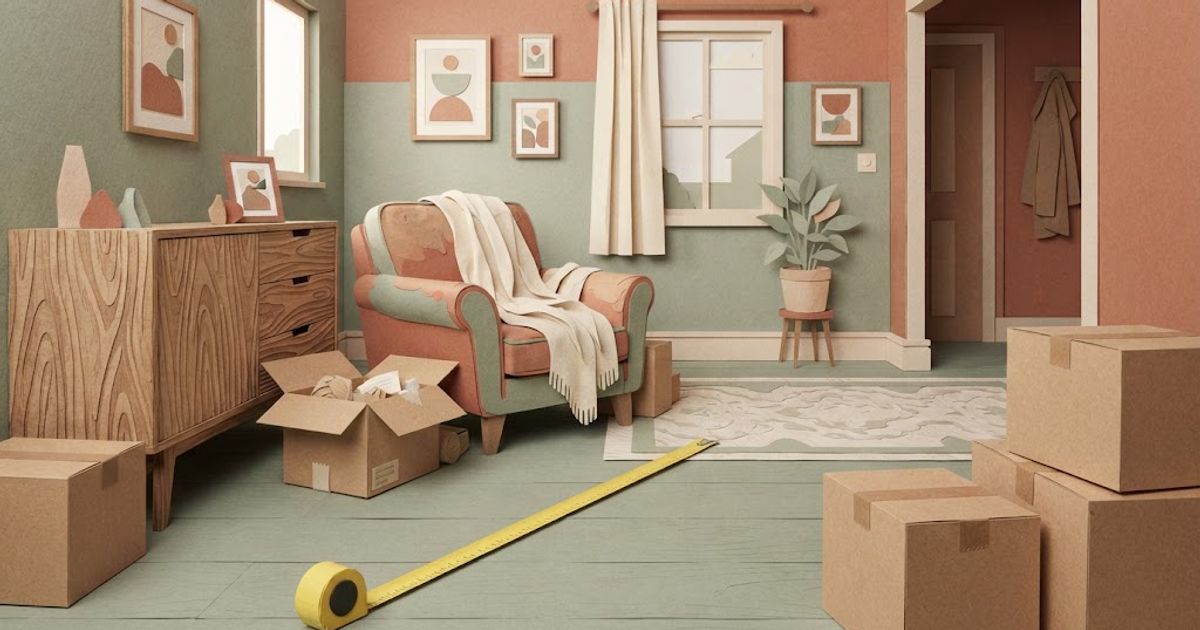
Measure the piece and the route. Older furniture is often larger and heavier than modern equivalents: deep sideboards, solid wardrobes, full-size dining tables. Measure the item, your doorways, hallways and stairwells, and the space where it will sit. Our guide to measuring doorways for secondhand furniture walks through it.
Set a maximum that includes fees. At auction, the price on the day is set by the bidders, and a buyer’s premium is added to your bid after the hammer falls. Decide what the item is worth to you, then work back to a bid that leaves room for the premium and for collection.
Plan collection before you win. Abbeys, for example, asks buyers to collect within two business days of the auction, with contactless collection by appointment. On its delivery information page it says furniture deliveries are arranged on Mondays only, and that arranging insurance is the buyer’s job. Other houses will differ. Check the collection window and fees for any sale before you bid, because a missed pickup deadline can cost more than the item.
Bring help and padding. Large pieces from cleared homes often need two people and blankets. If you are transporting without a ute, work out the vehicle before you bid.
What to Check on Furniture From a Cleared Home
Furniture from a home that has been sitting empty or packed for months can carry problems you cannot see in photos. Inspect in person where you can, or ask for a condition report and extra photos where the seller offers them.
- Upholstery: Look for dark spots, staining and a musty smell, which can point to damp. Press your hand into the seat and back. Lift cushions and check seams, piping and the underside for small dark specks, shed skins or live insects, which are signs of bed bugs.
- Mattresses and bed bases: Treat them like any other piece: check for stains, odour, sagging and pests before you commit.
- Timber: Check joints for wobble, look for cracks, lifted veneer and water marks, and look for fine holes that could mean borer.
- Drawers and doors: Open and close everything. Sticking drawers are common in older pieces and are often fixable, but know what you are buying.
- Smell: Smoke, mothballs and mould smells can be hard to remove from upholstery and unfinished timber.
- Missing parts: Check for keys, shelves, glass panels and hardware. Sets often get separated during a clearance.
Photos rarely show smell, wobble or damp, so ask the seller directly and, if you can, view the piece before you pay.
What “Sold As Is” Means for Your Rights
Auction furniture is often sold as is, but what that means for your rights depends on the seller and how the auction is conducted. Abbeys, for example, states on its buying page that lots are sold without warranty, so you should inspect goods before bidding.
According to Consumer Affairs Victoria, consumer guarantees apply to second-hand products bought from a business, but they do not cover goods bought at auctions where the auctioneer acts as an agent for the owner. The same page says one-off sales by private sellers, such as garage sales, may not count as being in trade or commerce. It also says you cannot return something just because you changed your mind, or because you knew about the fault before buying.
In practice, that means:
- Auction: Don’t expect a refund for a fault you could have spotted before bidding. Read the auction terms first.
- Private sale: Assume the sale is final unless the seller agrees otherwise in writing.
- Business sale: Ask what the seller’s returns policy is, and keep your receipt.
Whatever the format, ask for condition details in writing and keep your messages and receipt.
Paying, Collecting and Staying Safe
Pay through the seller’s official process. At an auction house, you will receive an invoice after the auction. For private sales, agree the price and pickup time beforehand, and be wary of any request to pay a deposit to an unknown seller before you have seen the item.
Inspect before you pay. For a private estate sale, view the item first. A seller who will not let you inspect, or who pushes you to pay today, is a reason to walk away.
Check the item at collection. Look the piece over before you load it. If something is different from the listing, raise it before you leave.
Take photos when you collect. If you need to raise a problem later, photos taken on collection day help.
Beyond Auctions: Browse Local Sellers on Zirkly
Not every secondhand piece ends up at auction. You can also browse furniture listed by local sellers on Zirkly, compare pieces across Melbourne suburbs and ask questions in chat before arranging pickup. See what is available in Melbourne secondhand furniture.
If you are clearing a home or have pieces to sell, you can start selling on Zirkly and list items one at a time, with photos, a price and pickup times that suit you.
Frequently Asked Questions
What is the difference between an estate sale and a house clearance?
A house clearance is the job of emptying a home. An estate sale is one way of selling the contents. In Melbourne, cleared furniture is often sold through auctions, clearance company sales or private sales.
Are estate sales common in Melbourne?
Open-house estate sales like those common in the United States are less visible in Melbourne. Contents more often go to online auctions, clearance services or private sales run by the family.
Is furniture at an estate auction cheaper than retail?
It can be, but the price depends on bidding on the day, and a buyer’s premium is added after the hammer falls. Compare the all-in cost with similar listings before you bid.
Can I return furniture bought at an estate auction?
Generally, you should not expect to return auction furniture simply because you change your mind or discover a fault you could have identified before bidding. Consumer guarantees may not apply where an auctioneer acts as agent for the owner. Check the auction terms and inspect the item before bidding.
Do consumer guarantees apply to a private deceased estate sale?
Not necessarily. Consumer Affairs Victoria says one-off sales by private sellers may not count as being in trade or commerce. Ask the seller about returns before you pay.
How do I check furniture from a cleared home for bed bugs and mould?
Inspect in person if you can. Check seams, piping and the underside of upholstery for dark specks or live insects, and look for dark spots and a musty smell, which can signal damp.
How do I get large furniture home after winning an auction?
Check the collection window and fees before you bid. Some houses require pickup within a couple of business days, and delivery may only run on certain days.
What should I measure before bidding?
Measure the piece, the space where it will go, and every doorway, hallway and stairwell on the route. Older furniture is often deeper and heavier than you expect.
Adam
Zirkly Team
Adam turns complex secondhand furniture topics into practical advice for Melbourne buyers and sellers — pricing, safety and the decisions that make buying and selling used furniture clearer.