How to Measure Doorways for Secondhand Furniture
Will your sofa fit through the door? Here's how to measure doorways, hallways, stairwells and lifts before you buy secondhand furniture — so nothing gets stuck on delivery day.
You've found the perfect secondhand sofa. Great price, good condition, ready to go. Then it arrives at your door and it simply won't fit. Will the sofa fit through the doorway? Will it make the turn in the hallway? Can it get into the lift? These are the questions to answer before you buy — not after.
This is one of the most common and most avoidable failure points when buying secondhand furniture, and it's rarely covered before the sale falls through at the doorstep. Measuring access points properly, before you commit to buying, takes ten minutes and saves a wasted trip — one more thing to check off alongside the basics covered in our complete guide to buying secondhand furniture in Melbourne.
Quick summary: Before buying, measure every doorway, hallway turn, stairwell and lift on the path into your home, then measure the furniture's width, height, depth and diagonal. Compare the two — not just widths — and check whether the item can be disassembled if it's a tight fit.
Why Furniture Doesn't Fit
Buyers measure the furniture. They check it fits the room. What they skip is checking whether the piece can actually get into the room in the first place. A sofa that's 220cm long can look fine against a wall on paper, but the real question is whether it can travel from the street, through the front door, down a hallway, around a corner, and into the living room — at every point along that path.
Secondhand furniture is often bulkier or built differently to flat-pack pieces designed for easy transport, and vintage or solid timber items in particular tend to have fixed frames that can't be disassembled — which makes access measurements even more important.
What to Measure Before You Buy
1. Doorways
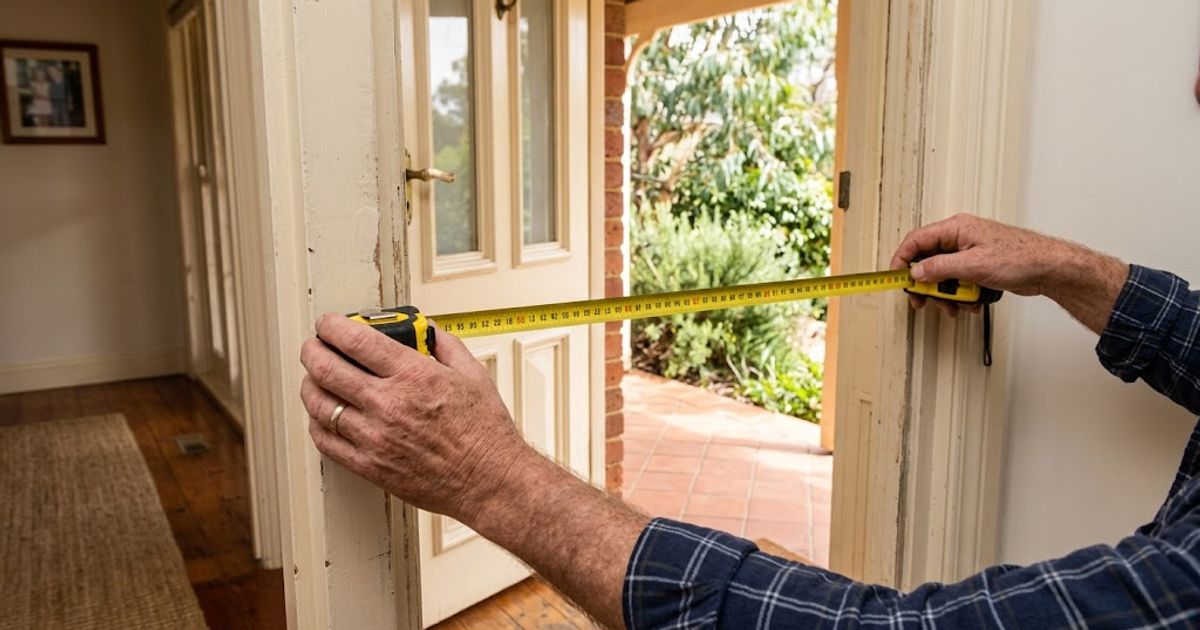
Measure the width and height of every doorway the item needs to pass through — not just the front door. This includes internal doors, laundry doors if that's the route, and any door with a step or threshold that reduces clearance.
- Measure the narrowest point, including door frames and hinges, not just the wall opening.
- Check the swing clearance if the door needs to open fully.
- Note the height as well as the width — tall items like wardrobes and bookcases fail here as often as wide items.
Don't Forget Door Frames and Obstacles
The clear opening isn't always the same as the space available to move furniture through. Door handles, hinges, handrails, light fittings, skirting boards and other protrusions can reduce usable clearance. Measure the actual route the furniture will take, not just the nominal dimensions of the room or doorway.
2. Hallways and Turns
A hallway might be wide enough for the furniture in a straight line, but corners are where most fits fail. Furniture needs to pivot as it turns, which requires more space than the hallway's raw width suggests.
- Measure the hallway width at its narrowest point.
- Measure the width of any turn or corner along the path.
- For long items like sofas and dining tables, check whether there's enough length in the hallway to angle the piece through a turn.
3. Stairwells
Stairwells combine width, height and turning space, and are the single biggest reason larger furniture gets stuck.
- Measure the width of the stairwell itself, including any handrail that protrudes into the space.
- Measure the ceiling height above the stairs, particularly where a lower ceiling section (like under a landing) crosses the path.
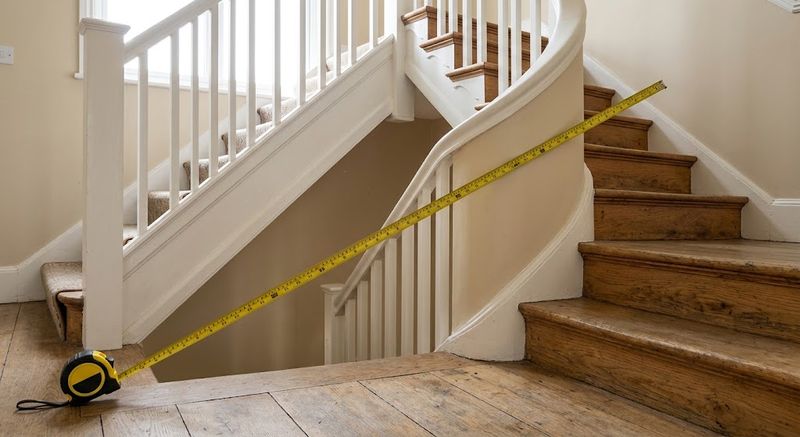
- If the staircase has a mid-flight turn or half-landing, measure the diagonal space available at that turn — this is usually the tightest point.
4. Lift (Elevator) Access
If you're in an apartment or unit, the lift is often the real constraint, not the doorway.
- Measure the internal dimensions of the lift car (width, depth and height), not just the door opening.
- Measure the lift door width separately, since it's sometimes narrower than the car itself.
- Check whether your building has a service lift with larger dimensions than the passenger lift — many do, and building management can usually confirm.
- If there's no suitable lift, confirm whether the stairwell can take the item instead, using the stairwell measurements above.
- If you're moving into an apartment, some buildings need advance notice to book the lift for a delivery — one Sydney council's moving checklist specifically flags booking the building lift ahead of time, since strata usually requires notice.
5. Balconies and Windows (For Oversized Items)
For large items that genuinely can't go through internal access points, some buyers arrange a crane or hoist lift through a balcony or window. This is a legitimate option for upper-floor apartments but needs to be planned and quoted in advance — not considered after a standard delivery has already failed.
How to Measure Furniture for Doorway Access
Once you know your access dimensions, measure the item the same way. Measure the furniture at its widest, tallest and deepest points, including anything that cannot be removed:
- Overall width
- Overall height
- Overall depth
- Diagonal depth, particularly for sofas and armchairs
- Removable parts, such as legs, doors, shelves and cushions
A simple rule: don't compare just the furniture's width with the doorway's width. For sofas and other bulky pieces, check the item's depth and diagonal dimensions and consider how it can be tilted or angled through the opening — the same inspection habit that matters when buying a secondhand sofa more generally.
A Simple Access Checklist
Before agreeing to buy, walk the path from the street to the final room and note:
- Narrowest doorway width and height on the route
- Any turns or corners in hallways
- Stairwell width, ceiling height, and turn clearance
- Lift car dimensions and door width, if applicable
- Whether the item can be disassembled to reduce its travel size
Buying Secondhand Furniture? Check the Seller's Access Too
If you're arranging pickup rather than delivery, this same checklist applies at the seller's end too — a piece that fits your home but won't come out of theirs is the same problem in reverse. If you're collecting it yourself, it's worth checking our guide on transporting furniture without a ute as well. On Zirkly, you can message the seller before buying to confirm the item's dimensions, whether it can be disassembled, and whether there are any access issues at their end.
Final Thought
Measuring access points isn't glamorous, but it's the difference between a smooth secondhand furniture purchase and a wasted afternoon. A few minutes with a tape measure before you commit to buying is far cheaper than a failed delivery, a return trip, or a piece of furniture stuck in a stairwell.
Looking for your next piece? Head to Zirkly and check in with the seller on dimensions and access before you agree to buy.
Frequently Asked Questions
How do I measure a doorway for furniture?
Measure the narrowest point of the doorway, including the frame and hinges, for both width and height — not just the wall opening. Check the swing clearance too if the door needs to open fully.
How do I know if a sofa will fit through a doorway?
Don't compare just the sofa's width to the doorway's width. Check the sofa's depth and diagonal dimensions against the doorway's width and height, and consider whether it can be tilted or angled through the opening.
Do I need to measure the lift as well as the doorway?
Yes. Lift cars and lift doors are sometimes different widths, and a service lift in the same building can be considerably larger than the passenger lift — worth checking with building management.
How much clearance do I need to get furniture through a doorway?
It depends on the piece, but always measure the actual route rather than the nominal doorway size — door handles, hinges, handrails and skirting boards can all reduce usable clearance.
What's the tightest point in most stairwells?
Usually a mid-flight turn or half-landing, where the available diagonal space is smaller than the straight run of the stairs.
Should I measure at the buyer's end or the seller's end too?
Both. If you're arranging pickup, the seller's access matters just as much as your own — a piece that fits your home but can't get out of theirs is the same problem in reverse.
Can furniture be disassembled to make it fit?
Often, yes. Legs, cushions and shelves can usually be removed to reduce an item's travel dimensions, though solid or vintage pieces with fixed frames may not have this option.
What if a piece genuinely won't fit through any doorway or stairwell?
For upper-floor apartments, a balcony or window lift using a crane or hoist is a legitimate option, but it needs to be arranged and quoted in advance rather than after a failed delivery.
What should I bring with me to measure access points?
A tape measure and a note of the item's own dimensions (including diagonal depth) so you can compare them on the spot before agreeing to buy.
Adam
Zirkly Team
Adam turns complex secondhand furniture topics into practical advice for Melbourne buyers and sellers — pricing, safety and the decisions that make buying and selling used furniture clearer.