How to Buy Secondhand Furniture in Melbourne: The Complete Buyer's Guide
New to buying used furniture? Here's exactly how to search, inspect, price, negotiate, pay safely and get it home — a straight-through guide for Melbourne buyers.
Quick Summary: How Do You Buy Secondhand Furniture in Melbourne?
- Decide what you need and your maximum budget.
- Search Zirkly, plus op shops, markets and estate sales.
- Compare similar listings before deciding what's a fair price — quick to do on Zirkly, where you can browse multiple comparable pieces at once.
- Ask the seller for dimensions, condition details and extra photos, using Zirkly's in-app chat.
- Inspect the piece in person before paying.
- Check for structural damage, pests, stains and odours.
- Negotiate reasonably if the listing supports it.
- Pay only once you're satisfied with the item.
- Have transport arranged before you commit to buying.
- Clean and inspect it again before bringing it inside.
Buying secondhand furniture in Melbourne can save hundreds or even thousands of dollars, but the best deals aren't necessarily the cheapest listings. You need to know where to search, how to judge condition, what a fair price looks like, and whether you can actually get the piece home.
This guide takes you through the entire process of buying used furniture in Melbourne — from deciding what to search for and inspecting it properly, to negotiating, paying safely and arranging pickup.
What Furniture Should You Buy Secondhand?
Some categories are consistently good value secondhand, and a few are worth a closer look before you commit.
Usually worth buying secondhand: solid timber tables, dining chairs, bookshelves, cabinets, desks, sideboards, bed frames, outdoor furniture, and quality office furniture. These tend to be well-built, easy to inspect, and hold up for years once you know what to check.
Inspect closely before buying: sofas, upholstered armchairs, recliners, mattresses, and children's furniture. These are all genuinely good secondhand buys — problems just aren't always visible in photos, so check them properly in person. Mattresses in particular are fine to buy secondhand once you've checked for stains, odour, sagging and pest signs — our guide to checking secondhand furniture for bed bugs covers exactly what to look for. Anything with structural damage to a load-bearing part is worth a closer look regardless of category.
Where to Buy Secondhand Furniture in Melbourne
Melbourne buyers have several options — Zirkly, op shops, vintage stores, Sunday markets, estate sales, and hard rubbish — and each suits a different kind of purchase. An online marketplace is usually the fastest starting point: you can filter by suburb and category, message sellers directly, and compare several listings side by side without leaving home. Narrowing your search to your own suburb on Zirkly also cuts out pieces you'd never realistically collect and puts you ahead of buyers further away.
This guide focuses on the buying process itself once you've found a piece worth pursuing. For a full breakdown of every channel — including Zirkly and other online marketplaces, specific vintage dealers, Sunday market locations and hours, and a suburb-by-suburb comparison — see our guide to where to buy secondhand furniture in Melbourne.
How to Spot a Good Listing
Before you message a seller, a good listing usually gives you most of what you need to know:
- Photos — multiple angles, good lighting, and close-ups of any wear rather than one flattering shot.
- Description — dimensions, material, age, and an honest note on condition, not just "good condition, must go."
- Seller responsiveness — a seller who answers questions clearly and quickly is usually a good sign; Zirkly's in-app chat and seller profiles make it easy to check this before you commit.
- Price relative to similar listings — a price far below comparable pieces is worth double-checking rather than jumping on.
- Location — closer pickup means less transport risk and more chance the seller can be flexible on timing.
What to Check Before You Buy
A few minutes of inspection before you hand over money prevents almost every regret purchase.
Structure. Sit on chairs and sofas, open drawers, and check that tables don't wobble. A sound frame is worth more than a fresh-looking finish.
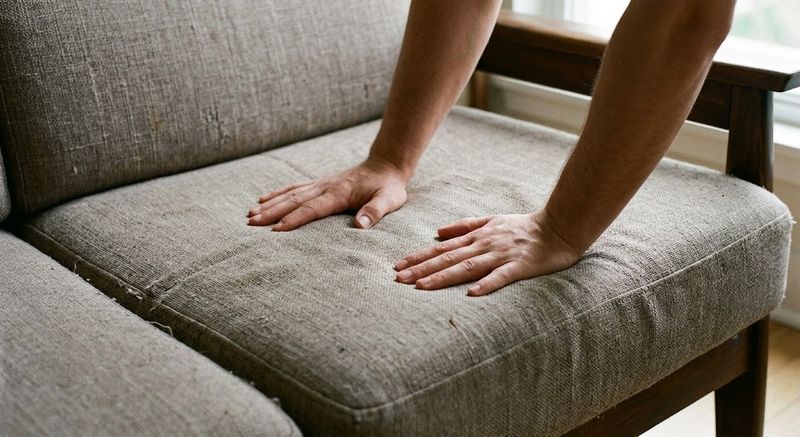
Upholstery and cushions. Look for sagging, thin patches, and cushion support that's held up rather than collapsed.
Damage. Check for stains, scratches, and repairs — ask whether any repairs have been done and how.
Water damage. Look for warping, discolouration, or a musty smell, particularly on the underside of wood pieces.
Pests. Check seams, joints, and undersides for any sign of bed bugs before anything textile-based comes into your home — our bed bugs guide covers exactly where to look.
Odour. Smell is often the first sign of an issue that won't show in photos — smoke, damp, and pet odour are the three to watch for.
Hardware. Loose screws and worn hinges are usually an easy fix — factor that into what you're willing to pay rather than walking away outright.
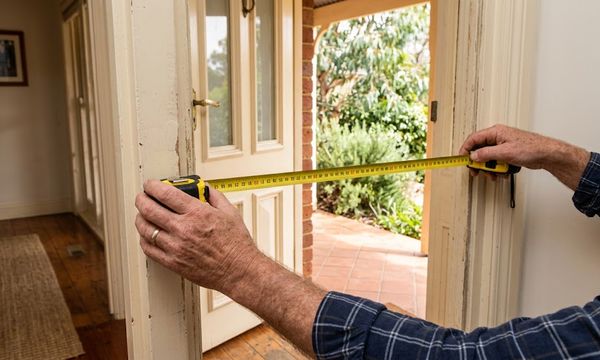
Measurements. Measure the piece and your doorways, stairwells, and lift access before you agree to buy, not after you've arrived to collect it.
Whether it can actually be moved. Some pieces need two people, a disassembled frame, or a specific vehicle — confirm this before you commit, not on pickup day.
Questions to Ask the Seller
A short message before you commit saves most bad experiences:
- How old is it, and what brand or material is it?
- How long have you owned it?
- Why are you selling it?
- Are there any stains, damage or repairs I should know about?
- Does it come apart for transport?
- What are the exact dimensions?
- Is it from a smoke-free home? (relevant for upholstery and mattresses alike)
- Is delivery available, or is it pickup only?
A short back-and-forth in chat covers most of this — on Zirkly, messaging is built into each listing, so there's no need to swap contact details just to ask a few questions.
How Much Should You Pay?
Secondhand pricing follows a rough logic: start with what comparable listings are asking, then adjust up or down.
Price up for: solid timber, recognised brands, excellent condition, desirable vintage pieces, and complete sets.
Price down for: damage, stains, missing hardware, particleboard construction, difficult pickup access, poor-quality photos, and listings that have sat unsold for a while.
Compare actual secondhand asking prices rather than original retail prices — retail price tells you almost nothing about what a used piece is worth today. Browsing similar listings on Zirkly is the quickest way to get a feel for the current going rate before you make an offer. Our guide to pricing secondhand furniture in Melbourne breaks this down by category if you want more detail before you buy.
Can You Negotiate the Price?
Generally yes, and a reasonable offer is usually more effective than a very low one — particularly when the item is already priced competitively.
Negotiating tends to make sense when the item has been listed for a while, has minor damage, you can collect immediately, the seller is moving and motivated, or you're buying multiple items at once. Outside those situations, a fair-priced listing may not have much room to move, and a lowball offer just wastes both people's time.
Buying Online Safely
Working through a listing methodically avoids most problems:
- Read the entire listing, not just the headline and price.
- Look at every photo provided.
- Ask for any missing angles.
- Confirm exact dimensions.
- Ask directly about any damage.
- Note how quickly and clearly the seller responds.
- Compare the price against similar listings.
- Arrange an in-person inspection before agreeing to buy.
- Confirm pickup details in advance.
- Pay only after you've inspected the item.
Red flags to watch for: a price dramatically below market value, a seller who refuses an in-person inspection, pressure to pay immediately, a request for a deposit before you've seen the item, external payment links, vague excuses for why you can't inspect it, a seller claiming to be overseas, photos that look copied or stock-like, and inconsistent details between the listing and the seller's messages. Our guide to spotting secondhand furniture scams covers these in more depth.
On payment: buying from a private seller isn't covered by the same protections as buying from a retailer — Consumer Affairs Victoria's guidance on private sales is worth a quick read if you haven't bought secondhand before. The core principle: don't transfer money until you've inspected the item and confirmed you're happy to buy it. If paying electronically, use a method you understand and keep a record of the transaction.
How to Get It Home
Transport is the part first-time buyers underestimate most, and good deals fall through more often over logistics than price.
Before you buy, check: the item's dimensions and weight, whether the legs come off, whether drawers can be removed for transport, your doorway width, lift dimensions if relevant, staircase turns, parking and loading access, and whether you'll need a second person to carry it. Don't buy the furniture first and solve transport later.
If you don't have access to a ute or van, that's not a dealbreaker. Plenty of Zirkly sellers are open to arranging local delivery for a small fee if you ask in chat — otherwise, our guide to transporting furniture without a ute covers what actually fits in a regular car and when a trailer hire makes sense.
What to Check by Furniture Type
- Sofas — sagging springs, hidden odours, frame stability.
- Dining tables and chairs — wobble, water rings, joint tightness.
- Bed frames — slats intact, no cracks at the joints.
- Mattresses — check for stains, odour, sagging, and pest signs; a good secondhand find once you've checked it properly.
- Wardrobes — doors hang straight, hinges intact, no water damage inside.
- Desks — surface condition, drawer runners, cable management if relevant.
- Outdoor furniture — rust on metal frames, UV damage on plastics, since these age faster than most people expect in Melbourne's weather.
What to Do After You Buy
- Photograph the item before you move it, in case a dispute comes up later.
- Inspect it again once it's outside in better light.
- Vacuum or wipe it down before it comes inside.
- Treat upholstery appropriately — our guide to cleaning secondhand furniture covers this by material.
- Check underneath and inside drawers for anything left behind.
- Let it air out before use if it's spent time in storage.
- Reassemble carefully if it was disassembled for transport.
- Keep any payment records in case a question comes up later.
Ready to find your next piece? Browse secondhand furniture from sellers near you on Zirkly.
Frequently Asked Questions
Where can I buy cheap secondhand furniture in Melbourne?
Hard rubbish, op shops and online marketplaces like Zirkly tend to have the lowest prices, since there's no dealer markup — condition and selection vary more than with curated vintage stores, so check listings carefully.
What furniture is best to buy secondhand?
Solid timber pieces, dining furniture, bookshelves, cabinets, desks and bed frames are generally strong secondhand buys — they're easy to inspect and hold up well.
What should I avoid buying secondhand?
Nothing in particular is off-limits — the main thing to avoid is any piece with structural damage to a load-bearing part, regardless of category.
How much should I pay for secondhand furniture?
Compare similar listings by brand, material and condition rather than age alone — browsing what's currently listed on Zirkly gives you a quick read on fair market price — and treat retail price as irrelevant to what a used piece is worth.
What should I ask a seller before buying furniture?
Ask about age, brand, material, reason for selling, any damage or repairs, whether it disassembles, and exact dimensions — Zirkly's in-app chat makes this a quick back-and-forth rather than a hassle.
How do I inspect secondhand furniture before buying?
Check the frame, upholstery, hardware, and for pests and odour, and always measure the piece against your own space before agreeing to buy.
Can I negotiate on secondhand furniture prices?
Yes, especially on items that have been listed a while or have minor damage — a reasonable offer works better than a very low one.
Is it safe to buy secondhand furniture in Melbourne?
Yes, as long as you inspect in person, avoid paying before you've seen the item, and stay alert to common scam warning signs.
How do I transport secondhand furniture in Melbourne?
Many pieces fit in a regular car with the seats down; larger items can often be arranged with a trailer hire or seller-arranged delivery.
Adam
Zirkly Team
Adam turns complex secondhand furniture topics into practical advice for Melbourne buyers and sellers — pricing, safety and the decisions that make buying and selling used furniture clearer.