End-of-Lease Furniture Removal in Melbourne: How to Protect Your Bond
Leaving furniture behind at the end of a Melbourne lease doesn't automatically cost you your bond — but it does trigger a process that works against you, not for you. Here's what actually happens to furniture left behind, what a bond clean should cover, and how to time removal against your final inspection.
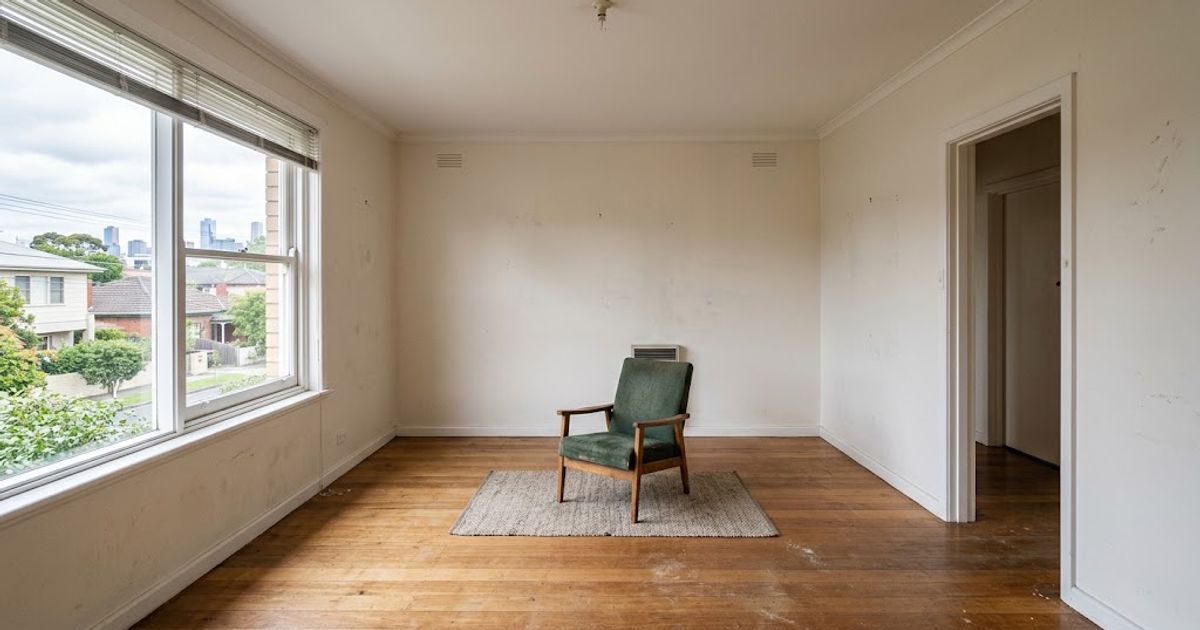
Quick summary: Furniture left behind after your tenancy ends is dealt with under Victoria's "goods left behind" process, not simply disposed of at the rental provider's discretion. Depending on the type and value of the goods, the rental provider may be able to dispose of some items but must store others and follow notice requirements. Furniture left behind can create a bond issue, but it doesn't automatically mean your bond will be deducted — that depends on whether there's damage, unpaid costs, or the property wasn't left reasonably clean. The safest approach is not to rely on this process at all: remove your furniture before the tenancy ends.
If you're moving out of a Melbourne rental, your furniture needs to be removed before the tenancy ends, unless you've made another arrangement with the rental provider. Leaving furniture behind doesn't automatically cost you your bond, but it does create a process, and potentially a cost, that's avoidable if you plan removal properly.
This isn't the same problem as a share-house split, where housemates are dividing jointly owned pieces between each other. It's the problem of a single tenancy ending, a fixed inspection date on the calendar, and furniture that needs to be sold, given away, or removed before then.
What Happens If You Leave Furniture Behind in a Melbourne Rental?
Under the Residential Tenancies Act, a rental provider who believes a renter has left goods behind must follow a set process rather than simply disposing of them. According to Consumer Affairs Victoria, some goods can be disposed of immediately (items with no monetary value, perishable food, or dangerous items), while others must be stored and the renter notified, giving them a chance to collect their belongings.
For renters, the practical takeaway is simple: don't treat this process as an alternative to removing your furniture. It exists to give the rental provider a lawful way to deal with items left in the property, not to give you extra time. Storage and handling can come with costs, and reclaiming furniture after you've moved out is far more hassle than removing it before your inspection in the first place.
There's also a distinction worth keeping in mind for furnished or partly furnished rentals: anything that came with the property isn't yours to dispose of at all. Leaving your own furniture behind is one issue; treating the landlord's furniture as your own to sell or discard is a separate, more serious one. Check your original condition report before deciding what leaves with you.
What Counts as Goods Left Behind in Victoria?
Consumer Affairs Victoria refers to belongings left behind at the end of a rental agreement as "goods left behind" — this is the correct legal terminology, distinct from the more casual "abandoned goods" many renters search for. Rules differ depending on what's left: general goods, and "protected goods" such as medical devices or prescription medicine, which must be stored for a minimum period regardless of value.
Furniture left behind can create a bond issue, but it isn't an automatic deduction. A rental provider can claim against the bond for things like damage, unpaid charges, or the property not being left reasonably clean, but not for fair wear and tear. If there's a dispute about a bond claim, renters can respond through the Residential Tenancies Bond Authority (RTBA), with Rental Dispute Resolution Victoria (RDRV) and, if necessary, the Victorian Civil and Administrative Tribunal (VCAT) handling disputes that aren't resolved directly.
What Does a Bond Clean Need to Cover After Furniture Is Removed?
"Bond clean" is the common term renters search for, but the actual legal requirement is to leave the property reasonably clean — not to book a specific certified service. Consumer Affairs Victoria notes that a rental provider may claim against the bond if the property hasn't been left reasonably clean, and your condition report is the key evidence either way.
Furniture is one of the most common places this comes up, because it hides things during the tenancy that only surface once it's moved. Before your final inspection, it's worth checking:
- Carpets — check underneath beds, sofas, and bookshelves for marks, dirt, or damage that was hidden while the furniture was in place
- Walls — look for scuffs or marks behind furniture that sat against a wall for an extended period
- Skirting boards and floor edges — these often miss out on regular cleaning when furniture blocks access
- Dust and residue on the floor — in the footprint of anything you're removing, so a clean room doesn't have one conspicuously dirty patch where a piece of furniture used to be
Whether a mark counts as fair wear and tear or something that needs addressing depends on the specific condition and circumstances — a rental provider can't claim against the bond for ordinary wear and tear, only for genuine damage or inadequate cleaning.
If furniture is staying, either because it's the landlord's or by explicit agreement, it needs to be in the same condition as your incoming condition report, not just "still there."
When Should You Remove Furniture Before Moving Out?
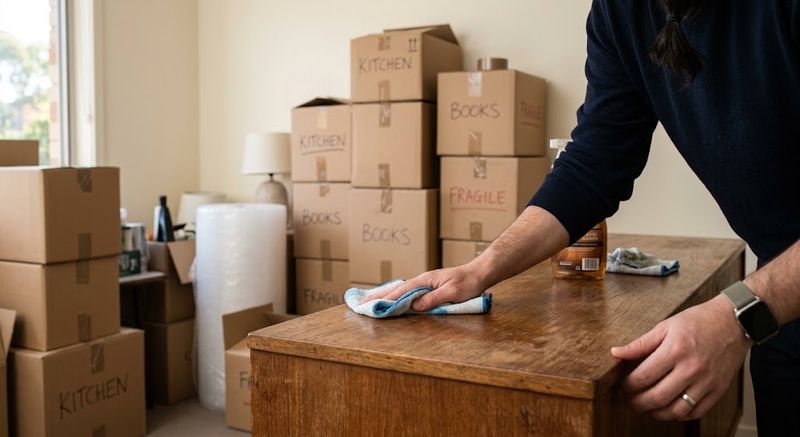
End-of-lease furniture removal isn't a moving-day task, it's a scheduling task with a fixed deadline attached. Your tenancy end date and any agreed inspection arrangements give you that deadline, so it's worth working backward from it rather than leaving removal until moving day itself.
3–4 weeks before — Decide what's actually leaving with you versus what needs to be sold, given away, or disposed of. This is the same sorting decision covered in more depth in our guide to selling furniture before moving house. Start listing anything you're selling now; secondhand furniture rarely moves the same day it's posted.
2 weeks before — Book council hard rubbish collection if you're using it. Booking requirements and lead times vary between councils, and slots can fill up around common lease-end periods, particularly end of month. Confirm sale or pickup dates with any buyers.
1 week before — Hold a firm cut-off: anything not sold, collected, or committed to a buyer by this point becomes something you actively remove yourself.
48 hours before — Do the cleaning work described above — carpets, walls, floors — in the footprint of everything that's now gone.
Inspection day — The property should be genuinely empty of anything that isn't the landlord's or agreed to stay.
What Can You Do With Furniture You Don't Want?
- Sell it. If a piece has resale value, this turns a removal cost into cash instead. You can sell secondhand furniture in Melbourne on Zirkly by listing a piece, chatting directly with local buyers, and arranging pickup — listings are filtered by suburb and category, so you're reaching people actually looking nearby rather than a citywide feed.
- Give it away. For pieces with little resale value but that are still usable, local give-away groups or charities can be quicker than a sale close to your inspection date.
- Weigh a garage sale against listing online. If you've got a full house to clear rather than one or two pieces, it's worth comparing the two approaches directly — see our garage sale vs selling furniture online breakdown.
- Council hard rubbish. Check your local council's rules, booking requirements, and collection dates — services and lead times vary between Melbourne councils, and some require booking well in advance.
- Paid removal. For anything left with no buyer and no collection slot in time, a paid furniture or rubbish removal service is the fallback — worth pricing against what you might otherwise spend resolving a bond issue over the same item.
How to Sell Furniture Before Moving Out
Treat furniture-clearing as its own short project rather than an afterthought to packing:
- List early — as soon as your 3–4 week mark, not the final week
- Photograph in good natural light — this matters more for how fast something sells than for the item's actual condition
- Include your suburb — buyers filtering locally need this to find you
- Price to move, not to maximise return — a piece still sitting in your rental in the final week is a cost, not an asset. Our pricing guide has a straightforward way to land on a fair, fast-selling price
- Specify pickup clearly, including any flexibility on timing
- Set a final collection date that lines up with your removal deadline, not your inspection date
- Have a fallback — give away or hard rubbish — ready for anything unsold by your cut-off
Since you're coordinating pickups with strangers under time pressure, it's worth a quick read of how to spot a secondhand furniture scam before agreeing to any payment method you haven't used before.
This is where buying and selling secondhand furniture in Melbourne on Zirkly fits naturally: local buyers, in-app chat to arrange a fast pickup, and no need to coordinate with a stranger from across the city in your last week in the property.
What If Your Furniture Hasn't Sold Before Moving Day?
If you're genuinely out of runway before the inspection, contact your agent or landlord directly rather than letting it become a surprise on the day. Being upfront about a specific item and a specific removal date is a very different conversation to an agent discovering unexplained furniture during the walkthrough. It won't waive your obligations, but it avoids the goods-left-behind process being triggered at all, which is the outcome you want.
What If the Furniture Belongs to the Landlord?
Leave it exactly as it was on your condition report. Disposing of or selling furniture that came with the property, even if you don't want it, isn't something you're entitled to do as a tenant — treat it as part of the property, not part of your move.
Official Victorian Rental Resources
- Goods left behind — Consumer Affairs Victoria
- Bond claims and refunds — Consumer Affairs Victoria
- Residential Tenancies Bond Authority — Consumer Affairs Victoria
- How to get your bond back in Victoria — Rental Dispute Resolution Victoria
Clearing furniture before your lease ends? List it on Zirkly and connect with buyers nearby before your inspection date.
Frequently Asked Questions
Can I leave furniture behind when I move out of a rental?
You should remove your own furniture and belongings before the tenancy ends, unless the rental provider has agreed otherwise. If goods are left behind, specific Victorian rules apply to how the rental provider must deal with them — it isn't simply left up to them to discard.
What happens if a tenant leaves furniture behind in Victoria?
The rental provider must follow the "goods left behind" process under the Residential Tenancies Act. Some goods can be disposed of immediately, but most need to be stored and the renter notified, giving them a chance to collect their belongings.
Can I sell furniture before moving out of a rental?
Yes, and it's usually the better option for anything with resale value. Selling ahead of your move avoids the goods-left-behind process altogether and recovers some money instead of paying to remove or store the item.
Do I legally have to remove all my furniture before the final inspection?
You should remove your own furniture and belongings before the tenancy ends unless the rental provider has agreed otherwise. If goods are left behind, specific Victorian rules apply to how the rental provider must deal with them.
What if I leave one small item, like a bookshelf, because I ran out of time?
It's still subject to the goods-left-behind process, and it can still complicate your bond return. Even one item is worth avoiding — sell it, give it away, or arrange removal rather than leaving it for the rental provider to deal with.
Can I just leave furniture for the next tenant?
Only with explicit agreement from the landlord or agent — an informal handover between outgoing and incoming tenants isn't something either party can rely on if a dispute comes up later.
Does cleaning need to include furniture that's staying in the property?
Yes. If furniture belongs to the property and is staying, it needs to be in the same condition noted on your original condition report, including underneath and around it.
How far in advance should I book hard rubbish collection for a lease end?
As early as you can, ideally around 2 weeks out. Requirements and lead times vary between Melbourne councils, and slots around common lease-end dates, particularly end of month, can fill quickly.
Will landlords deduct my bond for marks left by furniture?
Not automatically. A rental provider can claim against the bond for damage or inadequate cleaning, but not for fair wear and tear — ordinary marks from furniture sitting in place over time are generally treated differently to genuine damage.
Adam
Zirkly Team
Adam turns complex secondhand furniture topics into practical advice for Melbourne buyers and sellers — pricing, safety and the decisions that make buying and selling used furniture clearer.