Downsizing in Melbourne: Which Furniture to Keep, and What to Do With the Rest
Downsizing means a family home's furniture becoming a unit's worth. The keep test, what never makes the cut, the storage trap — and choosing without regret.
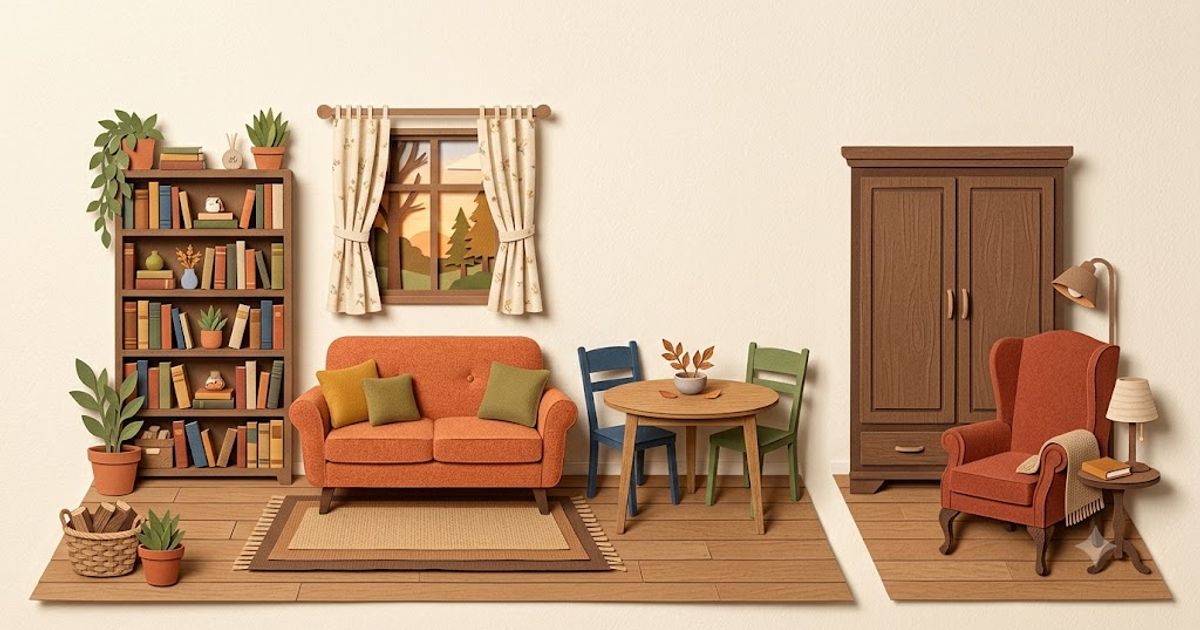
Downsizing furniture for a smaller home in Melbourne is the one house move where the hard part isn't the move — it's the subtraction. Whether you're leaving a family home in Bentleigh or Glen Waverley for a townhouse or a retirement apartment, the maths is the same: a family home's worth of furniture has to become a unit's worth, and every piece that doesn't make the cut needs a decision attached.
This guide is about those decisions: which furniture earns its place in a smaller home, which doesn't, and how to choose without regret. It's deliberately not a moving timeline — once you know what's going, our week-by-week plan for selling furniture before moving house takes over the logistics. The thinking comes first, and the thinking is what this guide is for.
Start with the floor plan, not the furniture
Most downsizing regret comes from deciding in the wrong order: choosing what to keep first, then discovering what fits. Reverse it.
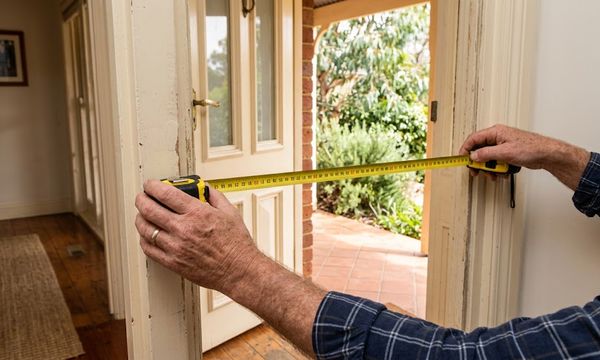
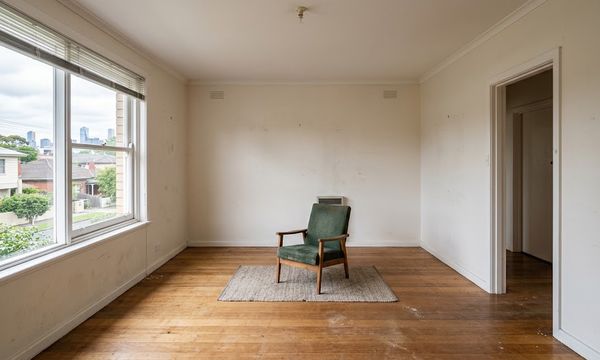
Get the floor plan of the new place — or walk it with a tape measure — and let the rooms make the first cut for you. Measure the wall the sofa would sit on, the bedroom that has to hold the wardrobe, the space where a dining table could actually stand with chairs pulled out. Note doorway widths, hallway turns and lift dimensions if you're moving into an apartment or retirement unit; a piece that fits the room but not the lift is a piece that isn't coming.
Retirement apartments and over-55 communities deserve extra care here. They often have narrower hallways, smaller living rooms and stricter lift dimensions than a standard apartment, so measure the common areas and the lift as well as the unit itself — the costliest downsizing surprise is an oversized piece that travelled all that way to be turned around at the lobby.
This step matters because it converts an emotional question ("do I love this?") into a physical one ("does this fit?") for a good share of your furniture — and physical questions are easier to answer without guilt. Housing researchers at AHURI consistently find that downsizers want to stay in the area they know, which usually means apartments, units and townhouses in established suburbs — homes with genuinely smaller rooms than the family house. The floor plan is honest about that before you have to be.
The keep test: three questions per piece
For everything that physically fits, run three questions:
- Does it earn its space? In a smaller home, every square metre works harder. A piece you use weekly earns its footprint; a piece you walk past earns nothing.
- Does it suit the life you're moving to? Downsizing usually means less entertaining at scale and more everyday comfort. The eight-seater table served the old life; the new one might be four people on a good week.
- Would you miss it — genuinely? Not "is it too good to give up" but "would its absence register in a month." Sentiment counts, and it counts double in a smaller home where every kept piece displaces another.
Two yeses is a keep. One yes is a maybe — park it on a list and revisit after the definite keeps are placed. Zero is a decision already made; the rest of this guide handles it.
The keep test in one line: it fits, it gets used, and you'd genuinely miss it.
Which furniture should you get rid of when downsizing?
Every downsize is different, but the same categories fail the test so consistently it's worth naming them:
- The formal versions of things you already have. The good dining setting used twice a year, the formal lounge suite in the room nobody sat in. Smaller homes don't have formal rooms, and these are often the most valuable pieces you'll let go — solid, barely used and exactly what buyers want.
- Second everything. The spare bedroom suite, the third bookshelf, the backup fridge's furniture equivalents. Downsizing is the end of redundancy.
- Oversized storage built for a bigger house. Full-wall units, bulky wardrobes, the buffet that needed a four-metre wall. Ironically, storage is what a smaller home needs most — just at a smaller scale, so keep the compact pieces and release the giants.
- Furniture that only worked in that house. The corner unit made for that corner, the bench built for that hallway.
Worth knowing before anything leaves: long-held family homes are where genuinely valuable pieces surface, and they rarely look valuable to the people who've lived with them for forty years. If anything is solid timber and older than you'd guess, check our guide to vintage versus secondhand furniture and what's worth more before it's priced casually — and for the honest number on the rest, pricing secondhand furniture in Melbourne keeps it realistic.
And one thing the regretful will tell you: the biggest downsizing regret usually isn't selling the wrong piece — it's moving furniture that never finds a place. Large dining settings, formal lounges and oversized storage survive the move only to spend months blocking the new spare room before being sold anyway, usually for less than they'd have fetched from the old house, where they at least looked at home.
At a glance:
| Furniture | Usually keep | Usually sell |
|---|---|---|
| Everyday sofa | ✓ | |
| Formal lounge suite | ✓ | |
| Compact dining table | ✓ | |
| Eight-seat dining suite | ✓ | |
| Small chest of drawers | ✓ | |
| Full-wall unit or oversized wardrobe | ✓ | |
| Compact bookshelf | ✓ | |
| Second bedroom suite | ✓ |
Keep the memory, not always the piece
The hardest pieces aren't the big ones — they're the meaningful ones. The sideboard from the wedding, the chair from the first house. A smaller home can't keep them all, and pretending otherwise is how downsizers end up furnishing a unit like a storage room.
What works: choose one true keepsake piece per era or person, not five. Photograph the rest properly before they go — a good photo holds the memory at none of the floor space. And let meaningful pieces go to people rather than into the void where possible: a granddaughter who wants the dresser beats any sale, and a local buyer who'll actually use the table beats a garage it doesn't fit in.
If your downsizing follows a loss — clearing a shared home after a partner's death, or downsizing a parent's home for them — the furniture decisions carry different weight, and rushing them helps nobody. Our guide to selling furniture from a deceased estate is written for exactly that situation, at its own pace.
The storage unit trap
Here's the decision that quietly costs downsizers the most: "we'll just put it in storage for now."
Storage feels like not deciding. It's actually deciding to pay, every month, to postpone the same decision — and for ordinary furniture, the fees accumulate past the value of the contents faster than almost anyone expects. The pieces don't improve in storage, the decision doesn't get easier, and "for now" has a way of becoming years.
Storage earns its keep in narrow cases: a genuine gap between homes, a piece a family member has actually committed to taking, a small number of items of real value awaiting a considered sale. As a warehouse for unmade decisions about a household of furniture, it's the most expensive version of "maybe." If a piece isn't worth a decision today, that's usually the decision.
What to do with everything that isn't coming
Once the keep decisions are made, the rest is logistics — and the logistics are already written up elsewhere, so this is a map, not a repeat.
Selling on a moving deadline is a timeline problem: the week-by-week plan sequences what to list when, starting with the big pieces. On Zirkly, listing is free and the AI writes each listing from a few photos — useful when a whole household is being decided at once, and your buyer is usually close by; see what moves in second hand furniture in Bentleigh East for a feel of the local market. For pieces that won't sell or shouldn't be sold, the decision guide on what to do with old furniture in Melbourne covers donating, hard rubbish and everything between.
And for furnishing the smaller place itself — because most downsizers buy a few right-sized pieces after letting the big ones go — our guide to furnishing a Melbourne apartment on a budget with secondhand furniture closes the loop.
Once you've decided what stays, the rest already has local buyers. List it free on Zirkly — the AI creates each listing from a few photos, so the furniture that won't fit finds its new home before moving day rather than after. See what's moving at second hand furniture in Melbourne.
Frequently Asked Questions
What furniture should I keep when downsizing?
Keep what physically fits the new floor plan, earns its space through weekly use and genuinely suits the life you're moving to. Compact storage pieces, everyday seating and the dining setting sized for your actual week make the cut most often; formal duplicates and oversized pieces rarely do.
What furniture doesn't fit in smaller homes and retirement units?
Full-wall entertainment units, oversized wardrobes, formal eight-seater dining settings and large buffets are the usual casualties — smaller rooms, narrower doorways and lift access rule them out physically before taste gets a say. Measure doorways and lifts as well as rooms before assuming anything is coming.
Should I put furniture in storage when downsizing?
Only for a defined reason with an end date: a gap between homes, a piece a family member has committed to taking, or items of real value awaiting a considered sale. Paying monthly to postpone a decision about ordinary furniture usually costs more than the furniture is worth.
Is it worth taking old furniture to a new smaller home?
If it fits, gets used and suits the new life, yes — solid existing furniture beats buying new for the sake of it. What's rarely worth it is paying removalists to transport pieces that fail those tests, then selling them later from a home they never suited, usually at a worse price.
Can I sell furniture before moving into a retirement village?
Yes, and it's usually the better order. Retirement apartments have smaller rooms, narrower hallways and lift limits, so measure the new unit first, decide with the floor plan, and sell from the family home — buyers collect from a house that's easy to access, and you move only what fits.
When should I start sorting furniture before downsizing?
Start the decisions as soon as the new home is chosen — the floor plan makes the first cut for you, and unhurried decisions produce fewer regrets. The selling itself then runs to the moving timeline: large pieces listed a few weeks out, smaller ones after.
Adam
Zirkly Team
Adam turns complex secondhand furniture topics into practical advice for Melbourne buyers and sellers — pricing, safety and the decisions that make buying and selling used furniture clearer.