Tiny Home Furniture in Melbourne: A Secondhand Guide for Caravans and Van Conversions
Building a tiny home, caravan or van conversion in Melbourne means every piece of furniture has to earn its place — in weight, in size, and in function. Here's how to furnish one secondhand.
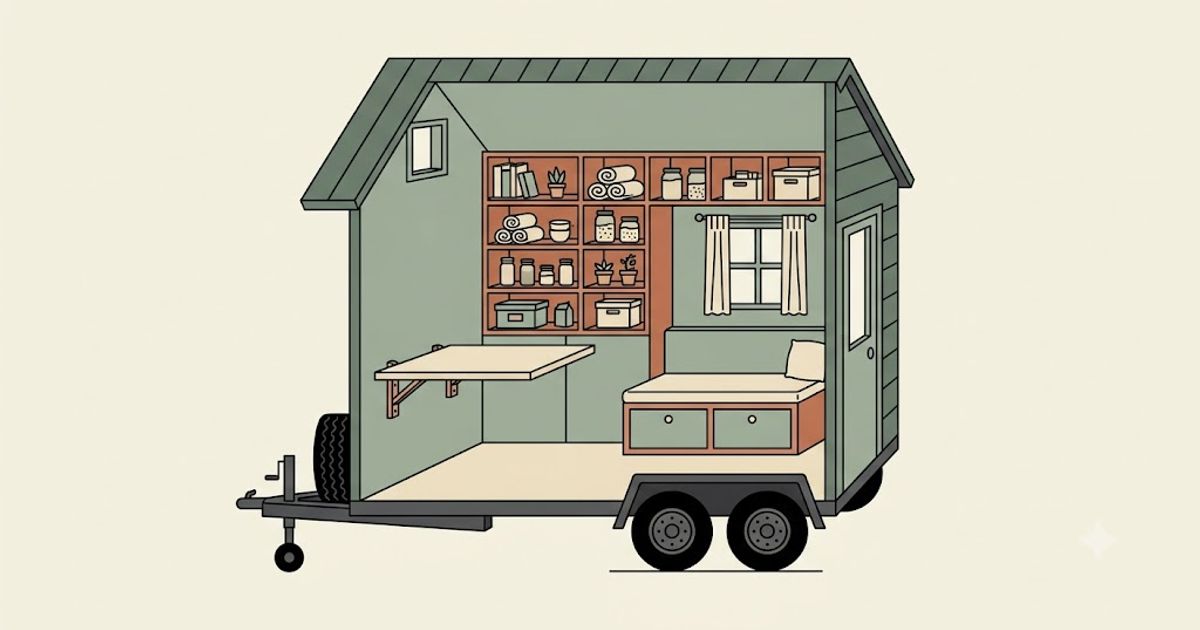
Furnishing a tiny home, caravan or van conversion is a different problem to furnishing an apartment. It's not just about fitting a smaller footprint — it's about weight limits, vibration, off-grid living, and the fact that everything you own has to survive being driven down the Hume Highway. If you're searching for tiny home furniture Melbourne sellers actually have on hand, you've probably already discovered that most furniture retailers have no idea this niche exists. This guide is for the growing number of Melburnians living small and living mobile — whether that's a micro home on a leased block, a transportable home moved between sites, or a full campervan conversion.
Why tiny home and mobile living furniture is a different brief
Melbourne's tiny home and van conversion community has grown alongside a broader national shift. Sales in Australia's tiny home industry climbed 120% over the past five years, with demand showing no signs of plateauing, according to Tiny House Australia. It's not just fixed dwellings, either — Australia's recreational vehicle market recorded 3.11 million units in 2025, with the RV rental market growing at an 11.5% compound annual rate, per Build-it. Tiny homes continue to grow in popularity across Melbourne and regional Victoria, and campervan furniture and RV furniture searches are climbing right alongside them. Whether it's a tiny home in Werribee, a van conversion in Brunswick, or a caravan being fitted out near Frankston, the furniture brief is the same: compact, lightweight and secured.
Standard secondhand furniture — the kind that furnishes most Melbourne share houses and apartments — is usually solid timber or particleboard built for a fixed address. It's heavy, it's not designed to be strapped down, and it's rarely sized for a 6-metre caravan or a 2.4-metre-wide tiny home. That doesn't mean tiny home furniture has to be bought new. It means you're shopping with a narrower, more specific filter — space-saving, fold-away, collapsible — one most furniture shops don't stock for, but that individual secondhand sellers often do, simply because they've downsized out of a caravan or camper themselves.
What actually matters: weight, dimensions, fixings
Three things separate mobile-suitable furniture from anything else on a listings page.
Weight. Caravans and tiny homes on wheels have a hard payload limit — the difference between a van's tare weight and its Aggregate Trailer Mass. Guides for caravan owners consistently flag that reduced storage space means packing smartly and lightly is critical, or you risk exceeding weight limits and becoming unsafe on the road, as Caravan World notes. A secondhand solid-oak dresser that's perfect for a Carnegie apartment can be entirely wrong for a van build.
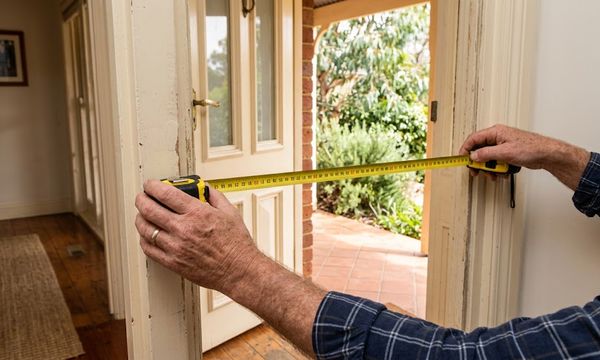
Dimensions, precisely. In a fixed home, "close enough" works. In a tiny home or van, a few centimetres decide whether a piece fits at all. A table that's 900mm deep might sit comfortably in an apartment dining nook, but the same table can block circulation entirely in a caravan or van conversion, where the walkway either side might only be 500–600mm wide. Always measure your actual internal clearance — including door swing and any curved wall sections — before messaging a seller.
Fixings and stability. Furniture designed for a fixed floor generally isn't designed to be bolted or strapped down. Security advice for touring caravans is blunt on this point: heavy items should be stored low and towards the centre of the van to maintain weight distribution, and everything needs to be properly secured so it doesn't become a projectile during travel, according to Compass Insurance. If a piece can't be screwed, strapped or wedged into place, it's not right for something that moves.
Apartment furniture vs mobile-home furniture: what changes
| Factor | Studio apartment | Tiny home / caravan / van |
|---|---|---|
| Primary constraint | Floor space | Weight limit + floor space |
| Ideal materials | Solid timber, veneer, upholstered | Plywood, aluminium frame, canvas, moulded plastic |
| Fixing to structure | Not required | Often essential (straps, brackets, non-slip feet) |
| Multi-function need | Nice to have | Near-mandatory (seat that's also storage, table that folds flat) |
| Typical piece weight | Rarely a factor | Under ~15kg per item is a good rule of thumb for anything not built in |
| Measuring tolerance | A few cm rarely matters | Every cm matters — door swing, wheel arches, curved walls |
Room-by-room: secondhand picks that actually work
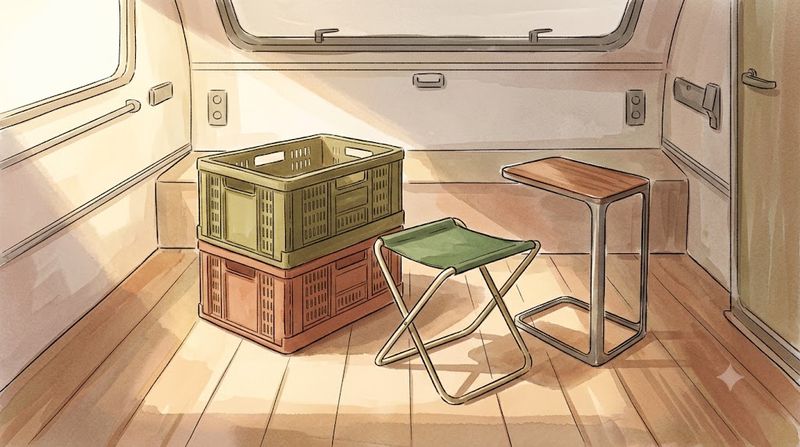
Seating. Folding camp chairs and lightweight stackable stools move easily and don't eat floor space when not in use. A secondhand outdoor folding chair set is often a better fit than a fixed dining bench, especially for a van that needs the same floor space to double as a bed platform at night.
Sleeping. Rather than a full bed frame, look for a low platform base or a set of stacking storage crates that can support a mattress directly — this removes both weight and height. If you already have a mattress, check our guide on what secondhand furniture actually sells for realistic expectations on sourcing one used.
Storage. This is where secondhand really wins. Op shops and Marketplace-style listings are full of stackable plastic or timber crates, small drawer units, and collapsible baskets — all originally bought for garages or campers and now surplus to someone else's needs. Multiple caravan guides recommend exactly this kind of gear: multi-functional storage ottomans that provide seating and hidden storage simultaneously, per LiveNeat, are a good example of the dual-purpose pieces to search for.
Tables and desks. A fold-down or wall-mounted drop-leaf table is worth more in a tiny home than almost any other single piece — it reclaims the floor when not in use. Search secondhand listings for "drop leaf," "caravan table" or "campervan table" specifically; general dining table listings will mostly be too large. The same logic applies if you need a workspace — a fold-away desk works well in a tiny home for the same reasons it works in a small apartment, as covered in our secondhand home office guide.
Kitchen and bathroom. Skip anything that isn't genuinely portable. Small stainless or plastic shelving units (the kind sold for laundries) tend to be lighter than kitchen-specific furniture and just as functional in a compact galley.
If you're near Bentleigh East, it's also worth checking our Bentleigh East secondhand furniture listings — caravan and campervan owners in Melbourne's southeast fringe suburbs are a genuine, if under-served, part of that local market.
Where to find secondhand tiny home furniture in Melbourne
Tiny home and caravan furniture rarely turns up under obvious search terms, so it pays to know where to look:
- Caravan and campervan owners downsizing or upgrading often sell furniture removed during a refit, already sized and proven to work in a compact space.
- Local online marketplaces, searched with specific terms rather than "furniture," surface far more relevant results.
- Garage sales and moving sales in outer and regional Melbourne suburbs, where caravan ownership is more common, are worth checking regularly.
- Deceased estates occasionally include caravan or van fit-out furniture, particularly from long-term grey nomads — see our guide on selling furniture from a deceased estate if you're on the selling side of one.
- Zirkly listings across Melbourne, filtered by category and size rather than assuming a dedicated "tiny home" tag exists.
Many secondhand listings in this category already include furniture that's been removed from a caravan, campervan or tiny home rather than a house — which makes it particularly reliable, since a previous owner has effectively already proven the piece works within real weight and space constraints.
Quick comparison: furniture type by living situation
| Furniture | Apartment | Tiny home / caravan |
|---|---|---|
| Dining table | Standard fixed | Drop-leaf or fold-down |
| Sofa | Fixed, upholstered | Fold-out or bench with storage |
| Wardrobe | Full-height | Hanging organiser or narrow unit |
| Bed | Frame | Low platform base |
| Coffee table | Standard | Nesting or collapsible |
Pre-purchase checklist
Before you message a seller about a piece for a tiny home, caravan or van build, run through this:
- Measured the exact space, including door swing and any curved or angled walls
- Confirmed the piece's weight (ask the seller if it's not listed)
- Checked it can be secured — screwed, strapped, or fitted with non-slip feet
- Confirmed materials are lightweight (ply, aluminium, moulded plastic — not solid timber where avoidable)
- Considered whether it can serve two functions (storage + seating, table + shelf)
- Factored the piece's weight into your total payload, not just its dimensions
- Arranged transport that suits a small item — most tiny home furniture doesn't need a ute; see our guide on moving furniture without a ute
Why secondhand makes even more sense here
New furniture marketed specifically for caravans and tiny homes tends to carry a premium simply for being labelled "RV" or "tiny home." Most of what actually works — stacking crates, folding stools, drop-leaf tables, small shelving units — was never built exclusively for mobile living in the first place; it's just lightweight, compact furniture that happens to suit it. That means the secondhand market is full of suitable pieces that nobody's pricing as a niche product. You're not paying a mobile-living tax, and you're keeping furniture that would otherwise sit unused out of landfill.
Furnishing a tiny home doesn't have to mean starting from a shop
Between weight limits, exact measurements and the need for pieces that do double duty, furnishing a tiny home, caravan or van conversion is a genuinely different job to furnishing a fixed-address apartment — but it's not a job that requires buying new. Melbourne's secondhand market already has most of what a mobile build needs; it just takes a more specific search. Try terms like "tiny home furniture," "caravan furniture," "campervan storage," "fold-away table" or "lightweight shelving" rather than simply "furniture" to uncover far more relevant listings. Browse Zirkly's secondhand furniture listings for compact, space-saving pieces from sellers across Melbourne.
Frequently Asked Questions
Is secondhand furniture safe to use in a caravan or tiny home?
Yes, as long as you check the same things you'd check for any secondhand item — no structural damage, no odour, no pest signs — and confirm it can be fixed or strapped down for travel.
How much should furniture for a caravan or tiny home weigh?
There's no single rule, since payload limits vary by vehicle, but many tiny home and van builders aim to keep individual furniture pieces under roughly 15kg where possible, reserving heavier allowances for built-in fixtures.
What furniture materials are best for a mobile home?
Plywood, aluminium-framed pieces, moulded plastic and canvas-based furniture are generally lighter and more travel-durable than solid timber or upholstered pieces built for fixed homes.
Can I use normal apartment furniture in a tiny home?
Some pieces work, but most standard furniture is heavier and less securable than mobile-specific gear. Check weight and fixing options before assuming a piece will transfer across.
Where in Melbourne can I find secondhand tiny home or caravan furniture?
Search local secondhand listings using specific terms like "caravan table," "campervan storage" or "stackable crate" rather than general furniture categories, since most sellers list by what the item originally was, not by mobile-living use case.
Do I need to bolt furniture down in a caravan?
For anything that will travel with the van in motion, yes — loose furniture can shift and become a hazard. Fixed installations or well-secured straps and brackets are standard practice.
Is it cheaper to build tiny home furniture myself or buy secondhand?
It depends on your tools and time, but secondhand furniture that already suits the weight and size brief is often faster and just as affordable as a DIY build, without the material waste.
What's the best furniture for off-grid tiny homes?
Lightweight, moisture-resistant, multi-purpose pieces work best for off-grid living — they help maximise limited space while keeping total payload down, which matters more when you're not near a fixed power or water connection.
Adam
Zirkly Team
Adam turns complex secondhand furniture topics into practical advice for Melbourne buyers and sellers — pricing, safety and the decisions that make buying and selling used furniture clearer.