Downsizing for a Retirement Village in Melbourne: What Furniture to Keep, Sell or Donate
A practical guide to downsizing furniture for a retirement village move in Melbourne — what fits a smaller full-size unit, how to measure before moving day, and what to do with everything else.
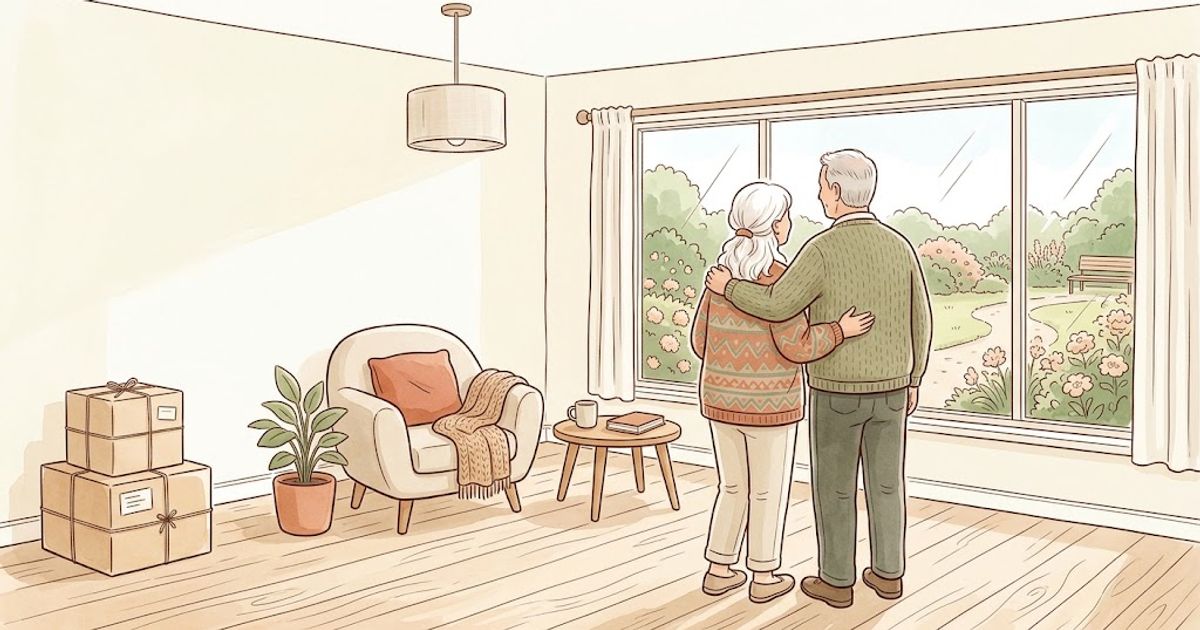
Quick summary: Downsizing for a retirement village in Melbourne means fitting a lifetime of furniture into a smaller full-size unit — usually a bedroom, living area and often a kitchen, so the task is deciding what genuinely fits, what to sell, what to donate and what stays in the family.
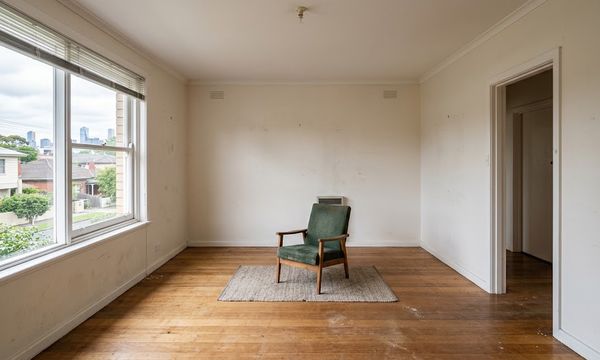
Downsizing for a retirement village in Melbourne is different from moving into residential aged care. A retirement village unit is usually a complete home, but with less living space and storage than the family home your parent may have lived in for decades. The challenge is deciding what furniture to keep, what to sell, what to donate and what will actually fit in the new unit. Before moving, it helps to get the retirement village floor plan, measure rooms and doorways, check storage, and confirm any moving-day requirements such as lift or loading-dock bookings. This guide walks through how to downsize furniture for a retirement village move and what to do with the pieces that won't be making the trip.
Retirement Village vs Aged Care: What's Different?
It's worth being clear on which move you're actually planning, because the furniture task differs quite a bit.
Residential aged care typically means one furnished room, with core furniture often already supplied by the facility. We've covered that scenario, including what's commonly provided and what can be brought in, in our guide to downsizing a parent for aged care.
A retirement village move is closer to any other downsize: a smaller full home, but still a home. Most furniture can technically come along — the constraint is space and layout, not facility policy. For the everyday keep-or-go decisions that apply to any smaller move, our general guide to downsizing furniture in Melbourne covers that ground; this guide focuses on what's specific to village living.
| Retirement village | Residential aged care | |
|---|---|---|
| Space | Full unit — bedroom(s), living area, often a kitchen | Usually one furnished room |
| Core furniture | Usually bring your own | Often supplied — bed, wardrobe, bedside table, armchair |
| Storage | Often reduced, but still real storage | Usually limited |
| Common-area rules | Village-specific by-laws may apply | Facility-managed |
| Furniture decisions | Decide what fits and what's still useful | Decide what can fit into one room |
What Furniture Fits in a Retirement Village Unit?
The most common mismatch in a village move isn't a piece of furniture being unwelcome — it's a piece sized for the old house rather than the new floor plan. A six-seat dining table and a three-seat sofa both made sense in a family home; in a two-bedroom village unit, one or both may simply be too large for the room they're meant to go in.
A useful way to sort furniture is by how much daily life has actually changed. A parent who's lived alone for years and entertained rarely may not need the large dining setting kept "just in case." A couple who still hosts family regularly might prioritise a dining table over, say, a spare armchair or a bulky sideboard. There's no universal right answer — it comes down to what actually gets used, not what's always been there.
How to Measure Furniture Before Moving
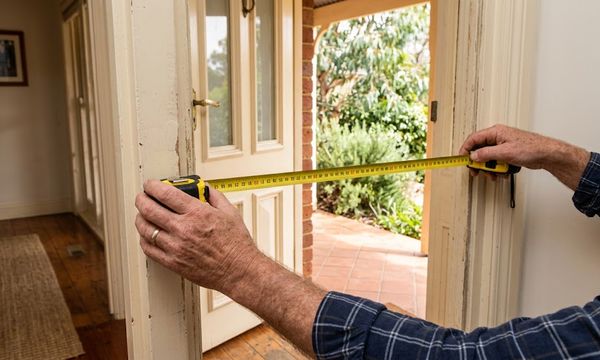
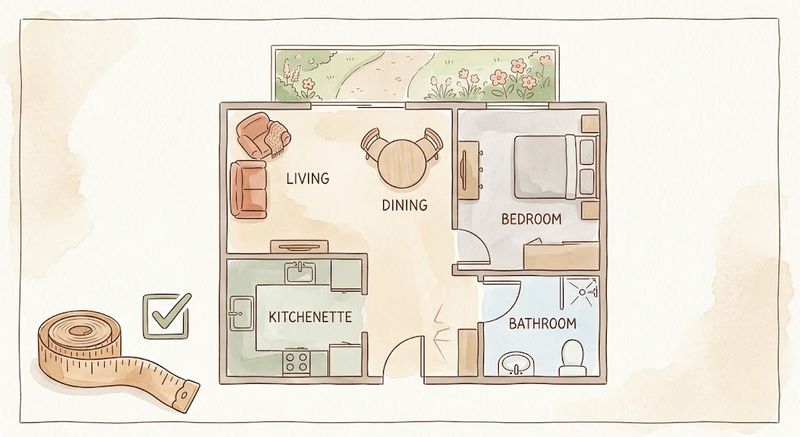
Before deciding what comes along, get the new unit's actual dimensions rather than estimating from memory of the old house. A few measurements save a wasted moving-day trip:
- Room dimensions for each space the furniture needs to go into
- Doorway widths, including any angled turns needed to get large pieces inside
- Lift dimensions, if the unit isn't on the ground floor
- Whether the village has a loading dock or requires bookings for moving trucks — many do, and organising a slot in advance avoids delays on the day
- Storage space available — often less than a house, but usually more than a single aged care room, so it's worth checking exactly what's there before assuming a piece won't fit
Retirement Village Rules and By-Laws in Victoria
Consumer Affairs Victoria publishes guidance for residents on retirement village contracts, fees and day-to-day village life. Individual villages can also have their own by-laws covering things like parking, use of common facilities and noise — though, as Consumer Affairs Victoria notes, by-laws aren't compulsory, and any village that has them must provide a copy in the resident's documents at least 21 days before they move in.
For furniture specifically, this mostly matters for common areas rather than inside a resident's own unit — a village might have rules about what can be left on a shared balcony, in a corridor, or in a common storage area, for example. It's worth asking the village's management directly whether any by-laws apply before assuming a piece can go somewhere shared.
How to Downsize Furniture Before Moving
A simple order of decisions makes this less overwhelming:
- Start with the floor plan, not the furniture. Decide based on the new unit's actual layout, not on what's always been in the family home.
- Prioritise essential furniture first — bed, sofa, dining table and chairs, storage, a favourite chair. These earn their place before anything else is considered.
- Keep sentimental pieces selectively. One or two meaningful items can make a new unit feel familiar without filling it up.
- Remove duplicates — two sideboards, multiple bookcases, spare dining chairs or duplicate bedside tables rarely all make the trip.
- Deal with oversized furniture early. Large solid timber pieces can take longer to sell than smaller items, so it's worth listing them well before moving week rather than leaving them until the last minute.
What to Do With Furniture You Can't Take
Once you know what's coming, everything else needs a decision. It helps to treat selling, donating, keeping in the family and disposing as four separate options rather than one vague "everything else" pile:
| Option | Best for | Advantage | Consideration |
|---|---|---|---|
| Sell | Good-condition furniture | Recovers some value | Needs photos, enquiries and pickup |
| Donate | Usable lower-value items | Gives furniture another life | Charity acceptance varies |
| Family | Sentimental or valuable pieces | Keeps furniture in the family | Needs someone with the space |
| Dispose | Damaged or unusable furniture | Clears it quickly | May involve disposal costs |
For furniture worth selling, solid timber dining tables, quality sofas, bedroom furniture, bookcases, sideboards and occasional chairs tend to be the pieces most worth listing individually rather than donating. Listing locally on Zirkly can be particularly useful for bulky items, since local buyers can inspect a piece and arrange their own pickup rather than needing it shipped or delivered. If you're weighing sell versus donate more broadly, our guide to what to do with old furniture in Melbourne covers that decision in more depth.
How to Prepare for Retirement Village Move-In Day
A few things reduce stress on the day itself: confirm the loading dock or lift booking in advance, measure the largest pieces one more time against the actual doorways before the truck arrives, and unpack personal items — photos, familiar ornaments, a favourite chair — first, so the new unit starts to feel like home from day one rather than after weeks of boxes.
Melbourne families doing this move are often choosing a village in a different part of the city from where they've lived for decades — closer to family in the southeast, near familiar bayside areas, or in Melbourne's east or north. Wherever the new village is, the furniture task is largely the same: work from the new floor plan first, and treat the rest of the house as a separate, later job.
If you're clearing out furniture as part of a retirement village move, start selling on Zirkly — list each piece in a few minutes, chat directly with local buyers, and arrange pickup on your own schedule.
Frequently Asked Questions
Can you take your own furniture into a retirement village?
Generally yes — a retirement village unit is unfurnished, so residents typically supply their own furniture, unlike aged care where core pieces are often already provided.
How do I know what furniture will fit in a retirement village unit?
Get the unit's floor plan and measure each room, doorway and any lift before deciding what to bring, rather than estimating based on the old house.
What should I do with furniture that doesn't fit?
Sort it into what family members want to keep, what's worth selling, what's suitable for donation, and what needs disposal — treating each as a separate task rather than one combined pile.
How much furniture should I take to a retirement village?
There's no fixed amount — it depends on the unit's size and layout. Prioritising essential furniture first, then adding a small number of sentimental pieces, tends to work better than trying to fit everything in.
Do retirement villages have rules about furniture?
Individual villages can have by-laws, but these mainly cover common areas like corridors, balconies or shared facilities rather than what's inside a resident's own unit. Check with the specific village's management for anything that applies.
Where can I sell furniture from a family home or deceased estate in Melbourne?
A local marketplace like Zirkly lets you list furniture with photos and a price, and arrange pickup directly with a Melbourne buyer on your own timeline.
When should I start downsizing before moving into a retirement village?
As early as possible, ideally once the new unit's floor plan is available — measuring rooms and doorways ahead of time avoids last-minute surprises on moving day.
Adam
Zirkly Team
Adam turns complex secondhand furniture topics into practical advice for Melbourne buyers and sellers — pricing, safety and the decisions that make buying and selling used furniture clearer.