Downsizing a Parent for Aged Care in Melbourne: What to Keep, Sell and Donate
A practical, evidence-based guide for Melbourne families downsizing a parent's furniture before a move into residential aged care — what the room already provides, what to bring, and what to do with everything else.

Quick summary: Downsizing a parent for aged care in Melbourne usually means working with a single furnished room — most facilities already provide a bed, wardrobe, bedside table and armchair, so the real task is deciding which personal pieces are worth bringing and what to do with everything else.
If you're going through your parent's home room by room, trying to work out what comes with them and what doesn't, you're not alone in finding it harder than expected. There's the practical side — what actually fits in one room — and the harder side, deciding what happens to furniture that's been part of the family for decades. This guide focuses on the practical side, using current Australian aged care guidance, so there's more energy left for the rest.
Aged Care vs Retirement Living: The Furniture Difference
Before sorting anything, it helps to know which move you're actually planning for, because the furniture math is completely different.
A retirement living unit is still a full home — usually one or two bedrooms, a kitchen, a living area. Most existing furniture can come along, and the decisions look a lot like downsizing into any smaller Melbourne home.
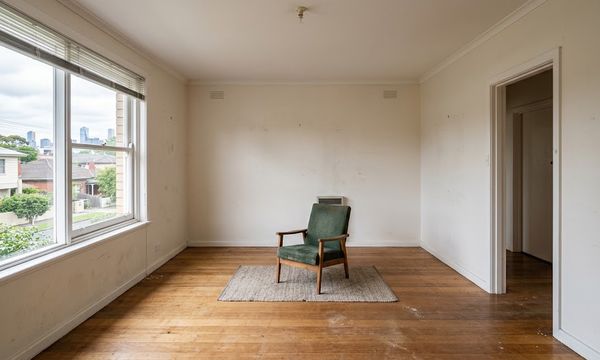
Residential aged care is a different scale. A resident typically has one furnished room, and the facility supplies the core furniture already. This guide focuses on that scenario, because families tend to find it harder — there's simply less physical room, even when there's plenty of feeling attached to what's being left behind.
What Furniture Do Aged Care Homes Provide?
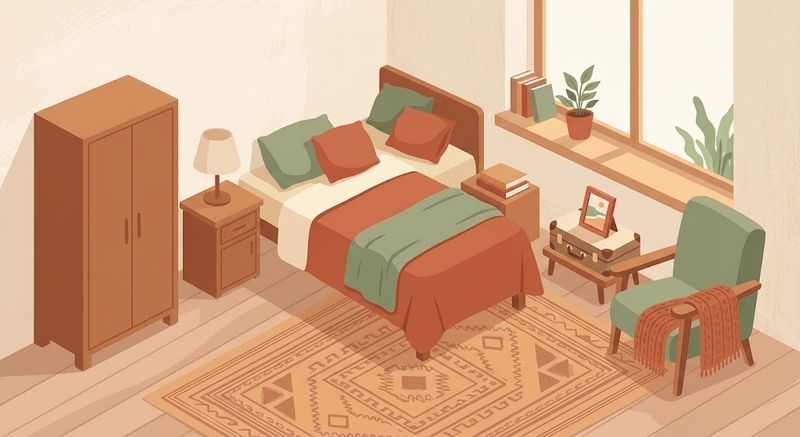
According to My Aged Care, a resident's room is generally fitted with essential furniture, including a bed and bedding, bedside table, wardrobe or drawers, and an armchair. Some homes also provide additional furnishings, such as a television, as standard.
This is set out at a national level by the Australian Government's Residential Care Service List, which lists the everyday living services — including bedding and furniture — that registered aged care providers must deliver as part of a resident's care.
That means the main question for most families isn't what furniture to buy. It's which of a parent's own belongings are worth bringing into a much smaller space, on top of what's already there.
What Can You Bring Into an Aged Care Room?
My Aged Care notes that residents can personalise their room with small items and, space permitting, may be able to bring select pieces of furniture — but this varies by facility, so it's worth checking directly with the home. A simple way to think about it:
Usually fine to bring
- Photographs and personal keepsakes
- A favourite chair, if the facility approves it
- A small side table
- Familiar ornaments or artwork
- Favourite bedding or a bedspread, where permitted
- A small TV or computer, where permitted
Check with the facility first
- Larger furniture pieces
- Electrical appliances (often need to be tested and tagged before use)
- Wall-mounted items
- Lamps
- Additional storage furniture
- Anything that could affect staff access to the room
Don't assume you can bring
- Large wardrobes
- Beds
- Bulky cabinets
- Multiple large pieces of furniture
Worth thinking about for later
- Furniture that could obstruct a hoist or mobility equipment if care needs change
- Items that might make transfers or staff access more difficult over time
Every home manages this differently, so the most useful single step is a direct conversation with admissions or care staff before you buy or bring anything.
What to Check Before Moving Furniture
A few practical checks before anything goes in the car:
- Electrical items such as lamps, radios or small appliances typically need to be tested and tagged by the facility's maintenance team before use.
- Confirm the piece will clear the doorway and turning space — aged care doorways and room layouts are often narrower than a standard bedroom.
- Ask about future flexibility. If care needs change and equipment like a hoist becomes necessary, some furniture may need to be removed later. Knowing this in advance avoids surprises down the track.
Measure the Room Before You Move Anything
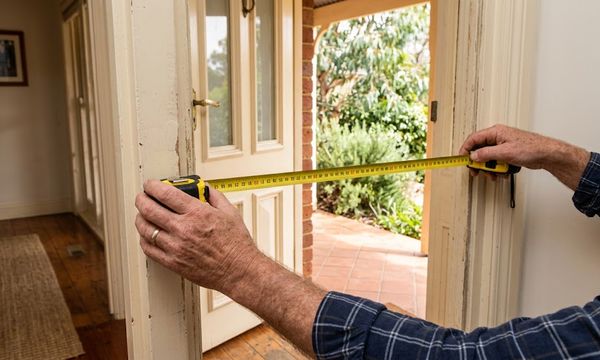
Before packing a single piece of furniture, it's worth measuring:
- Room dimensions — the total floor area available for personal items
- Doorway width — including any angled turns needed to get furniture inside
- Door swing — how much floor space the door itself takes up when open
- Space around the bed — for staff to move safely and assist if needed
- Access routes for mobility equipment — walking frames, wheelchairs, or a hoist if one is likely later
Then ask the facility directly for:
- Exact room dimensions
- What furniture is already supplied
- What personal furniture is permitted
- Any storage limits
- Rules for electrical items
- What happens to extra furniture if care needs change
How to Sort a Parent's Furniture When Downsizing
Once you know what's coming with your parent, everything else in the house needs a decision. A simple four-way sort tends to work better than deciding item by item from scratch:
| Decision | What it means |
|---|---|
| Bring | Fits the new room and matters to your parent |
| Family | Someone genuinely wants and will use it |
| Sell | Valuable, usable furniture another household could use |
| Donate / Dispose | Not suitable for selling or keeping |
Separating "sell" from "donate" matters — they're different jobs with different timelines, and it's easier to plan for each once they're not lumped together as "everything else."
What to Do With Furniture That Doesn't Fit
This is where most of the emotional weight sits, and it helps to separate the memory from the object. You can keep a photo of a piece and the story behind it, and still let the physical item go to someone who'll use it well.
Selling Your Parent's Furniture in Melbourne
For furniture in good, usable condition, a local marketplace such as Zirkly can be a practical option. You can photograph each piece, set a price, answer buyer questions directly, and arrange collection on your own timeline — without needing to coordinate around a shopfront or auction schedule.
Donating Furniture During an Aged Care Move
If something needs to go quickly and selling isn't the priority, donating to a local charity or op shop is a straightforward alternative. Most Melbourne charities and councils will only take furniture in good, usable condition, so it's worth checking their specific guidelines before you book a pickup or drop-off.
Don't Forget the Rest of the House
Furniture is only one part of downsizing a parent's home. Once you've decided what's going into aged care, work through clothing, kitchenware, books, appliances, paperwork and personal possessions as their own separate task. Trying to clear an entire house as one enormous job tends to make the process feel far harder than it needs to be.
How to Make Downsizing Easier for Your Parent
Give yourself more time than you think you'll need, involve your parent in decisions where they're able to, and start with the new room rather than the old house — once you know exactly what the facility provides, it's much easier to work backwards and decide what genuinely needs another home. There's no version of this that isn't a little bittersweet: you're not just moving furniture, you're closing one chapter of your parent's life and opening another. The room they move into doesn't need to hold everything — just enough of the right things to feel like theirs.
If you're clearing out furniture as part of a parent's move into aged care, start selling on Zirkly — list each piece in a few minutes, chat directly with local buyers, and arrange pickup on your own schedule.
Information checked: August 2026. Aged care requirements can change — always confirm current room, furniture and electrical-item policies directly with your parent's facility.
Frequently Asked Questions
Do aged care homes provide furniture?
Yes. According to My Aged Care, rooms are generally fitted with essential furniture including a bed and bedding, bedside table, wardrobe or drawers, and an armchair.
Can you bring your own furniture into an aged care home?
Often, in a limited way. Space permitting, residents may be able to bring select personal items such as a favourite chair or a small table — but this depends on the facility, so it's best confirmed directly with them.
How much furniture can you bring into an aged care room?
This varies significantly by facility and room size. Most homes can advise on exact dimensions and any furniture limits during the admissions process.
What should I keep when moving a parent into aged care?
Focus on what will genuinely be used in the new room — a favourite chair, small personal items, photos and keepsakes — rather than trying to preserve everything from the family home.
What should I do with furniture that doesn't fit in an aged care room?
Sort it into what family members want to keep, what's valuable enough to sell, and what's better suited to donation. Selling suits pieces in solid, usable condition; donating suits smaller items or tighter timelines.
Should I sell or donate furniture when downsizing a parent?
Both have a place. Selling can help offset moving or care costs for pieces worth the effort; donating is often quicker for items that are usable but not worth listing individually.
Do aged care homes allow electrical appliances?
Generally yes, but most require items like lamps or radios to be tested and tagged by facility maintenance before use — check timing with the home in advance.
When should we start downsizing before moving into aged care?
As early as possible, even before a placement is confirmed. Sorting through belongings gradually is far less stressful than doing it all in the days before a move-in date.
Erica
Zirkly Team
Erica covers interior styling, furniture trends and the vintage pieces worth knowing about, helping Melbourne buyers and sellers make secondhand furniture feel like a deliberate choice rather than a compromise.