How to Disassemble Furniture for Moving or Selling: Beds, Wardrobes & Flat-Pack
Learn how to disassemble furniture for moving or selling, with step-by-step advice for bed frames, wardrobes and flat-pack furniture, plus tips for keeping hardware organised and preparing for buyer pickup.
Quick summary: To disassemble furniture for moving or selling, remove loose parts first, photograph each stage, and label every screw and bolt against the part it came from. Bed frames, flat-pack wardrobes and tables often come apart with basic hand tools, but glued joints, delicate veneer and older furniture need extra care.
A buyer who can’t fit a wardrobe in their car is a familiar way for a pickup to fall through, and taking the piece apart usually solves it. This guide covers when to take apart furniture, how to do it for beds, wardrobes and flat-pack, and what to tell a buyer. If you’re not sure the piece will clear your doors, hallway or stairs, start with our guide to measuring doorways for secondhand furniture.
Should You Take Furniture Apart Before Selling or Moving It?
If you’re selling, leave the piece assembled until a buyer has seen it. Buyers want to check that a frame is solid, doors hang properly and drawers run smoothly, and that’s hard to judge from a pile of panels. Take it apart once the sale is agreed, either just before pickup or at pickup with the buyer’s help.
The exception is when you already know the buyer’s car or access is tight. Agree in chat beforehand who will dismantle it and when.
If you’re moving house, take apart only what you need to. Every joint you undo is one you have to rebuild, so start with removable parts such as legs, doors, shelves, slats and drawers, and only go further if the piece still doesn’t fit. Our guide to transporting furniture in a regular car covers measuring a boot and loading it. If you’re hiring help, our furniture delivery options guide covers what to check before booking, and dismantling and reassembly belong on your list of questions.
What You Need Before You Start
- Allen (hex) keys and a Phillips and flat-head screwdriver set
- A socket set or adjustable spanner for bed bolts
- A rubber mallet for tapping dowelled joints apart
- A cordless drill or driver (optional, and keep it on a low clutch setting)
- Zip-lock bags, masking tape and a marker
- Your phone for photos
- Moving blankets or an old doona to lay parts on
- A second person for anything tall or awkward
How to Disassemble Furniture Step by Step
- Empty and photograph it. Take photos of the whole piece, then of each stage as you go, especially where parts overlap. They double as your reassembly guide and as listing photos.
- Look for instructions. Check the back or underside for a model label, then search the maker’s site or the product name for a manual. If you can’t find one, your photos are the guide.
- Work in reverse order. Remove loose parts first (cushions, drawers, doors, shelves, mirrors), then legs, then the frame joins.
- Bag and label every fixing. Use one bag per part or section, write what it is (“left side rail – bed bolts”), and tape the bag to the part it belongs to.
- Support parts as they come free. Don’t let a panel hang from its last screw. Lay it on a blanket or have your helper hold it.
- Stack and protect. Keep panels flat and edges padded so they don’t chip in transit.
Bring a second person for large panels. According to WorkSafe Victoria, hazardous manual handling covers awkward, unbalanced loads as well as heavy ones, which describes a wardrobe side or bed head well.
How to Take Apart a Bed Frame
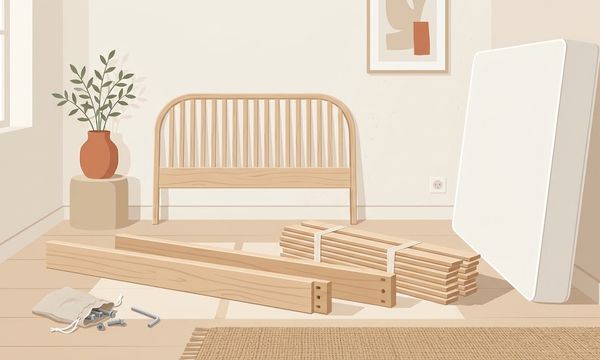
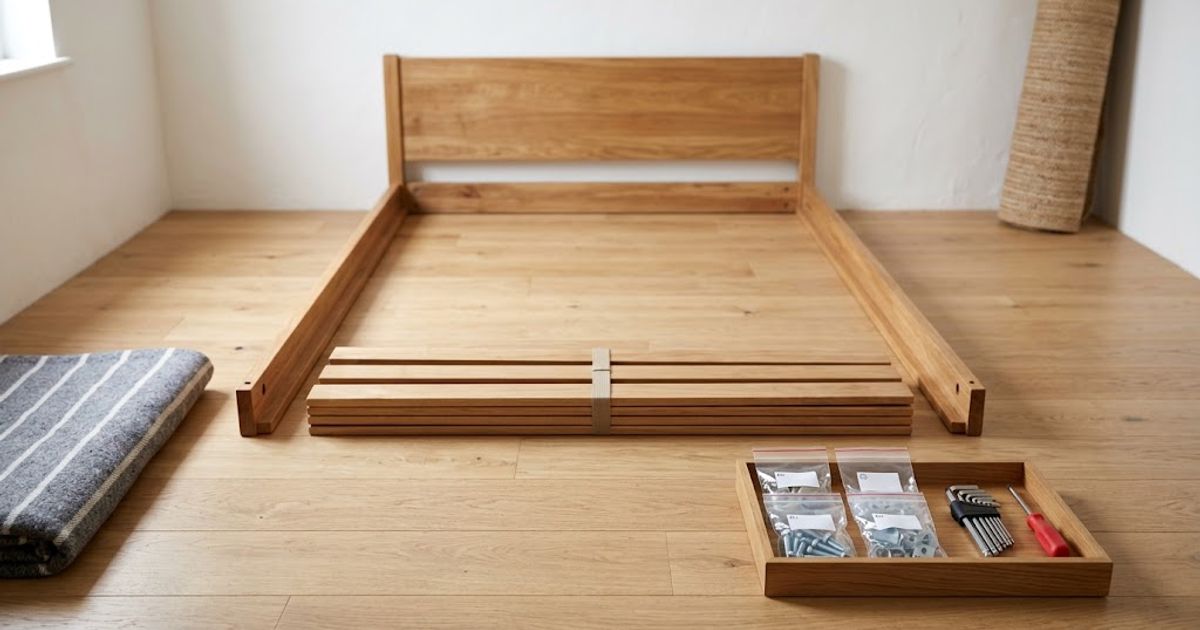
- Remove the mattress, then lift out the slats and tie or tape them together.
- Loosen all the bolts a little before removing any, so the frame doesn’t twist.
- Take the headboard and footboard off the side rails, supporting each rail as the last bolt comes out.
- Unhook or unbolt the side rails and any centre support rail.
- Label left and right, head and foot, and keep bolts, brackets and any cam nuts together.
Storage beds with a lift-up base are heavy and spring-assisted, so follow the maker’s instructions and have someone hold the base. Bunk and loft beds rely on every bolt, so don’t sell one with hardware missing, and tell the buyer if anything is.
Buyers check the frame, slats and hardware before they commit, so keep the bolts together. Our guide to secondhand bed frames and bases in Melbourne covers what they look for. If you’re after a frame yourself, browse the beds and bedroom category or the bed frames listed in Docklands.
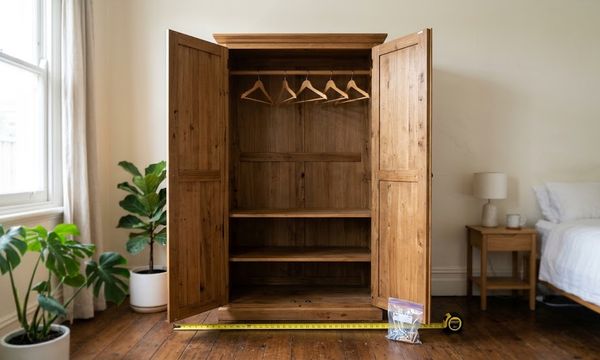
How to Take Apart a Wardrobe
- Empty it, then remove rails, shelves and drawers.
- Take off the doors. Lift hinged doors off or unscrew the hinges. For sliding doors, lift them up and out of the track. Mirror doors are heavy and the glass can break, so follow the maker’s removal instructions and get a helper. Tape alone doesn’t make glass safe to carry.
- Support the sides and top before releasing structural fixings. Flat-pack wardrobes often use cam locks, which you turn with a screwdriver until they release. Don’t force them.
- Check the maker’s instructions before removing the back panel. It may help keep the wardrobe square, and removing it too early can make the frame unstable.
- Check solid timber wardrobes for bolts or hooks. Some are built in sections, so look inside before assuming it’s one piece.
When you rebuild a tall wardrobe, anchor it. Product Safety Australia lists wardrobes among freestanding furniture that can topple, and says you can buy anchoring hardware at a hardware or furniture shop if the piece didn’t come with any, including for second-hand furniture. If the new place is rented, see our guide to anchoring furniture to the wall as a Victorian renter.
Can You Take Flat-Pack Furniture Apart and Reassemble It?
Often, yes, but with care. Many flat-pack pieces can be dismantled and reassembled, but repeated assembly can wear screw holes, particleboard and cam-lock fixings.
- Loosen screws and cam locks gently rather than levering panels apart.
- Tap dowelled joints apart with a mallet and keep every dowel.
- Photograph before you start, and label panels with tape (top, left, shelf 2).
- Avoid glue unless you’re happy for the joint to be permanent.
- If the holes are chewed up or fixings are missing, say so in your listing, or sell the piece assembled to a buyer with a vehicle that fits it.
Tables, Sofas and Other Pieces
- Dining tables: unscrew the legs or release the leg brackets, then lift off the top. Remove extension leaves separately.
- Sofas: legs usually unscrew. Some have bolt-on arms or modular sections. Many are a single fixed frame and won’t come apart.
- Sideboards and buffets: take out shelves and drawers, remove doors, then the legs.
- Desks: take out the drawers, then remove the legs or side panels.
Some pieces shouldn’t be taken apart. Antique and vintage furniture often has glued or jointed construction that cracks if forced. If a piece shows no screws, bolts or brackets, measure it for access instead, or arrange a removalist.
What to Tell the Buyer When You Sell Furniture Taken Apart
A clear message before pickup saves a wasted trip. When you reply to a buyer on Zirkly, cover:
- The assembled size and the size once taken apart
- Whether all the hardware is bagged and included
- Whether you have the instructions or only photos
- Who will dismantle the piece, and which tools to bring
- Any damaged or missing fixings
Take your listing photos with the piece assembled, and add a photo of the labelled hardware bag. If you’re buying, ask in chat whether the piece comes apart before you commit.
Final Thought
To disassemble furniture without drama, photograph it, work in reverse, and keep every fixing with its part. A few minutes of labelling can be the difference between a piece that fits the buyer’s car and one that doesn’t sell.
Got a bed, wardrobe or flat-pack piece to move on? List it on Zirkly and tell buyers up front how it comes apart.
Frequently Asked Questions
How do I take apart furniture without damaging it?
Photograph it first, work in the reverse order it was built, and loosen fixings before removing them. Use the right tool size, avoid prying panels apart, and support each part as it comes free.
Should I take furniture apart before selling it?
Usually not until a buyer has seen it assembled, because they want to check it’s solid and works properly. Take it apart once the sale is agreed, or earlier if you know the buyer’s car or access is tight.
What tools do I need to dismantle furniture?
Allen keys, Phillips and flat-head screwdrivers, a socket set or spanner, and a rubber mallet cover most pieces. Add zip-lock bags, masking tape and a marker for labelling.
How do I keep screws and bolts organised?
Use one zip-lock bag per part, label it with what it belongs to, and tape it to that part so it can’t separate.
Can flat-pack furniture be taken apart and put back together?
Often, with care. Repeated assembly can wear screw holes, particleboard and cam-lock fixings, so loosen gently, keep every dowel and cam lock, and tell the buyer about any worn holes.
How do I take apart a bed frame for moving?
Take out the slats, loosen all the bolts, remove the headboard and footboard, then the side rails. Label left and right, and keep the bolts and brackets together.
What if I don’t have the instructions?
Check the piece for a model label and search the maker’s site. If there’s no manual, photograph each stage as you take it apart and use the photos to rebuild it.
Who should take the furniture apart, the seller or the buyer?
Agree it in chat before pickup. Some sellers dismantle the piece in advance, and others do it at pickup with the buyer helping and bringing tools.
Erica
Zirkly Team
Erica covers interior styling, furniture trends and the vintage pieces worth knowing about, helping Melbourne buyers and sellers make secondhand furniture feel like a deliberate choice rather than a compromise.