Furniture Recall Check Australia: Check Secondhand Furniture Before Buying
Buying secondhand furniture in Australia? Learn how to check furniture recalls against the ACCC's Product Safety database before you buy or sell — it takes under two minutes.
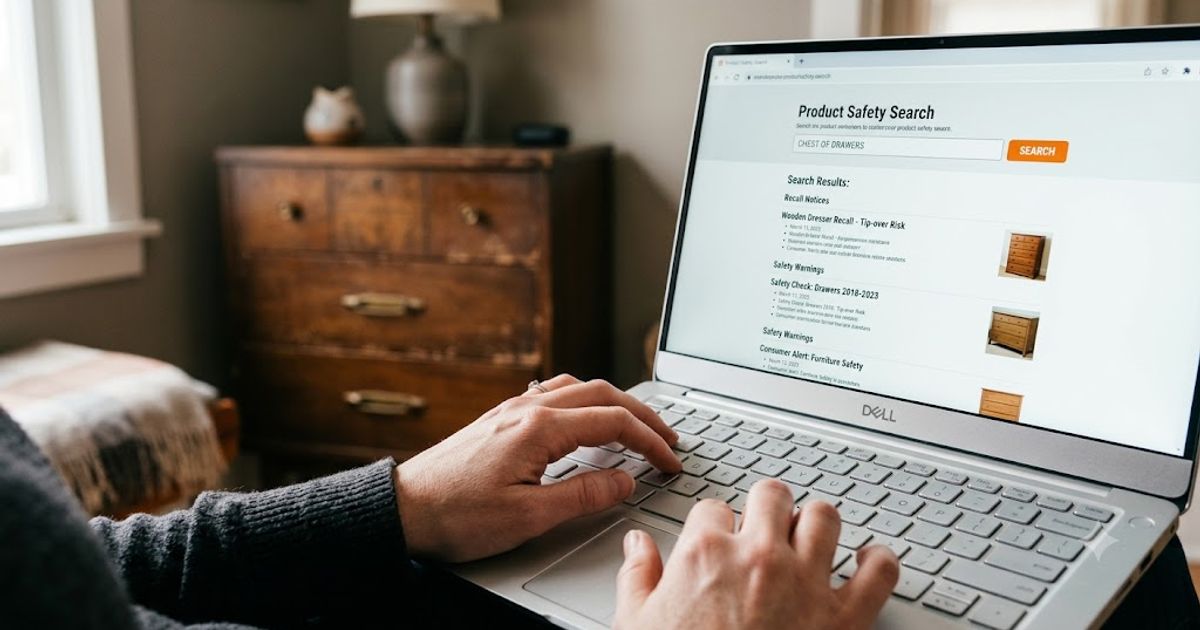
Quick summary: to check if a piece of furniture has been recalled in Australia, search the item's brand and model number on Product Safety Australia's recalls database. It's free, takes under two minutes, and covers every furniture recall notified in Australia.
Most Melbourne buyers check a secondhand sofa for stains and a dining table for wobble — fewer check whether the piece has actually been recalled. A furniture recall check in Australia isn't about rare, dramatic failures. It covers everyday categories: chests of drawers and bookcases that can tip over, secondhand cots that no longer meet current safety standards, and the occasional imported piece pulled from sale over a structural fault. A recall applies to the physical product, not the original buyer — so a recalled item doesn't stop being a concern just because it's changed hands.
If you're buying or selling secondhand furniture in Australia, this guide walks through exactly how to run a recall check, what to do if something you already own turns up on the list, and how sellers can build recall-awareness into a listing without it becoming a legal headache.
Why furniture recalls matter for secondhand buyers
New furniture from a retailer usually comes with a receipt and a registration prompt. Secondhand furniture typically has neither — the link between an original recall notice and the person now selling the piece is often broken completely.
Tall storage furniture is the category worth paying closest attention to. Unsecured bookcases, chests of drawers, wardrobes and entertainment units are covered by Australia's mandatory toppling furniture safety standard, introduced in May 2025 specifically because unanchored pieces can tip over — a risk that's highest for young children and older adults. A follow-up ACCC compliance check found most suppliers were still falling short of the new labelling requirements — which is exactly why it's worth a buyer double-checking rather than assuming the seller has.
None of this is a reason to default to buying new — the safety standard applies to furniture on a retail floor just as much as a secondhand piece; the difference is simply that with secondhand furniture, the checking step sits more visibly with the buyer. A two-minute recall check closes that gap.
How to check if a piece of furniture has been recalled
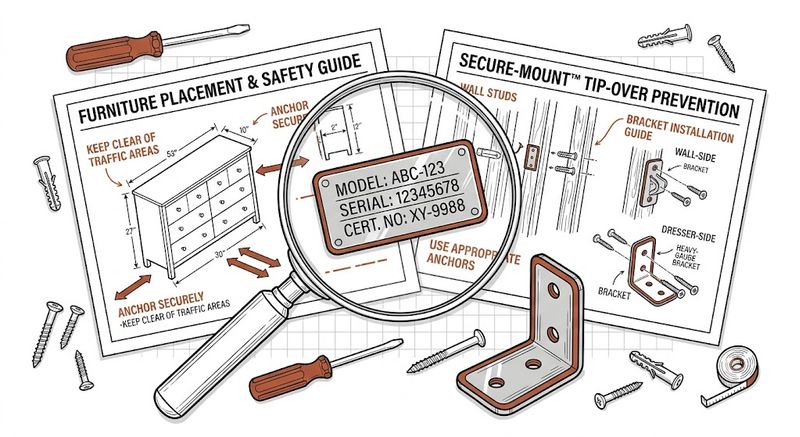
- Note the brand, model name and any batch or serial number — check the underside, back panel, or inside a drawer.
- Search Product Safety Australia by product category (furniture) or brand name.
- Cross-check by product type, not just brand — recalls sometimes appear under a distributor's name rather than the manufacturer's.
- For car seats, quad bike accessories, or anything with a vehicle-adjacent component, also check Vehicle Recalls separately.
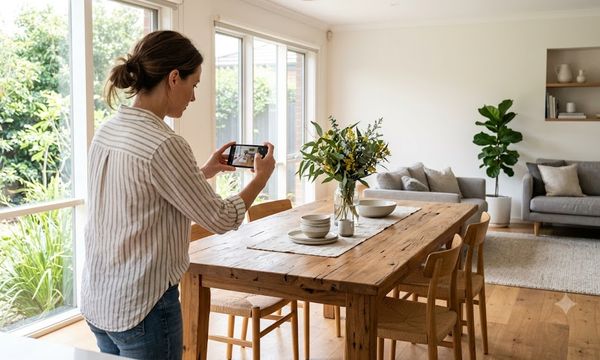
- Photograph the label and model number before you buy, so you or the seller can check again later.
Secondhand furniture recall checklist:
- Find and photograph the brand label
- Record the model and batch number
- Search Product Safety Australia by category and brand
- Measure height on tall storage furniture (686mm+ triggers the toppling standard)
- Confirm any listed remedy has already been completed before buying
What to do if your furniture has been recalled
If a search turns up a match, it's usually a straightforward fix, not a write-off.
- Read the specific remedy — ACCC guidance confirms recalls typically offer a repair, replacement, or refund, stated on the notice itself.
- Follow the notice before continued use — for tip-over risks, that can mean anchoring the item to the wall rather than removing it from use entirely.
- Contact the original supplier listed on the notice, even for an item you didn't buy new — most remedies aren't limited to the first owner.
- If you're mid-transaction on Zirkly, message the seller through the app before pickup. It's a two-minute favour, not an accusation.
Recalled vs. simply outdated: what's the difference
| Formally recalled | Outdated but not recalled | Compliant and current | |
|---|---|---|---|
| What it means | Listed on productsafety.gov.au as unsafe | Predates current standards but no notice issued | Meets current AS/NZS or mandatory information standards |
| Example | A specific batch of drawer units with a documented fault | An old, unbranded bookcase with no anchor points | A newer chest of drawers sold with toppling-standard warning labels |
| What to do | Follow the recall remedy before use | Inspect condition carefully; add wall anchors regardless | Standard pre-purchase inspection is enough |
| Still worth buying secondhand? | Yes, once the remedy is completed | Yes — anchor it properly, same as new stock | Yes, no different from buying new |
Selling furniture on Zirkly? What to check first
If you're listing furniture rather than buying it, a two-minute recall check protects your buyer and your reputation as a seller — worth doing before you price the item, not after. Zirkly itself is a peer-to-peer marketplace, so listings reflect what each seller provides — running your own check against Product Safety Australia, on both sides of the transaction, is the most reliable way to buy or sell with confidence.
If you're clearing out a family member's belongings rather than your own, fold this into the broader process covered in our guide to selling furniture from a deceased estate, where older, unlabelled pieces are more likely to predate current standards.
For children's furniture specifically — cots, bunk beds, high chairs — mention in your listing that the buyer should independently verify current AS/NZS compliance, since these standards are revised more often than general furniture. It's the kind of transparency that builds trust in a listing and heads off a difficult conversation after pickup.
If you're in Melbourne's inner south-east, family suburbs like Carnegie see a steady flow of children's and storage furniture change hands, which makes a recall check a genuinely useful habit rather than an occasional one.
Conclusion
A furniture recall check takes less time than reading a full listing description, and it's the one step that separates a properly vetted secondhand purchase from a hopeful one. Before your next buy or sell, run the brand and model through Product Safety Australia, check the height on anything tall enough to tip, and treat a recall hit as a two-minute fix rather than a dealbreaker. Secondhand furniture isn't inherently riskier than new — it just puts the checking step in your hands instead of a retailer's, and now you know exactly how to do it.
Frequently Asked Questions
Is there a free database to check furniture recalls in Australia?
Yes — Product Safety Australia, run by the ACCC, is the free official database covering every notified consumer product recall in Australia, including furniture.
How do I find the model number on secondhand furniture?
Check the underside of drawers or seat cushions, the back panel of cabinets and bookcases, and the base of beds and cots — model and batch labels are usually printed or stamped in these spots.
Do private sellers have to disclose a recall when selling secondhand furniture?
Consumer guarantee obligations generally don't apply to private, non-business sales in Australia, but checking for bans or recalls before selling is listed as standard good practice by the ACCC for any seller.
Is secondhand furniture more likely to be recalled than new furniture?
No — recall risk comes from the specific product and batch, not from whether it's sold new or secondhand. The difference is that secondhand furniture usually arrives without the packaging or paperwork that would flag a recall automatically.
What furniture categories get recalled most often in Australia?
Tall storage furniture (chests of drawers, bookcases, wardrobes) for tip-over risk, and children's items like cots and high chairs for structural hazards, are the categories most frequently subject to recall notices.
Can I still buy a piece of furniture if it appears on the recall list?
Usually yes, once the stated remedy — repair, replacement, or a retrofit kit — has been completed. Check the specific notice, since remedies vary.
What's the difference between a recall and a safety warning?
A recall means the supplier is required to offer a repair, replacement or refund for a specific fault. A safety warning (like the toppling furniture information standard) is broader guidance on how to use a category of product safely, without pointing to one specific batch or defect.
Where do I check if a secondhand cot is still safe to use?
Search the cot's brand and model on Product Safety Australia first, then independently verify it meets the current AS/NZS cot standard, since these requirements are revised more often than general furniture standards.
What should I do if I can't find a model number on an old piece of furniture?
Search by brand and furniture type instead, note distinguishing features, and if you're still unsure, treat it with the same precaution as a confirmed recall until you can verify otherwise — particularly for children's furniture.
Adam
Zirkly Team
Adam turns complex secondhand furniture topics into practical advice for Melbourne buyers and sellers — pricing, safety and the decisions that make buying and selling used furniture clearer.