Selling Antique Furniture With Ivory or Rosewood in Australia
Selling antique furniture with ivory or rosewood in Australia? Understand wildlife trade rules, paperwork requirements and what to check before selling or shipping.
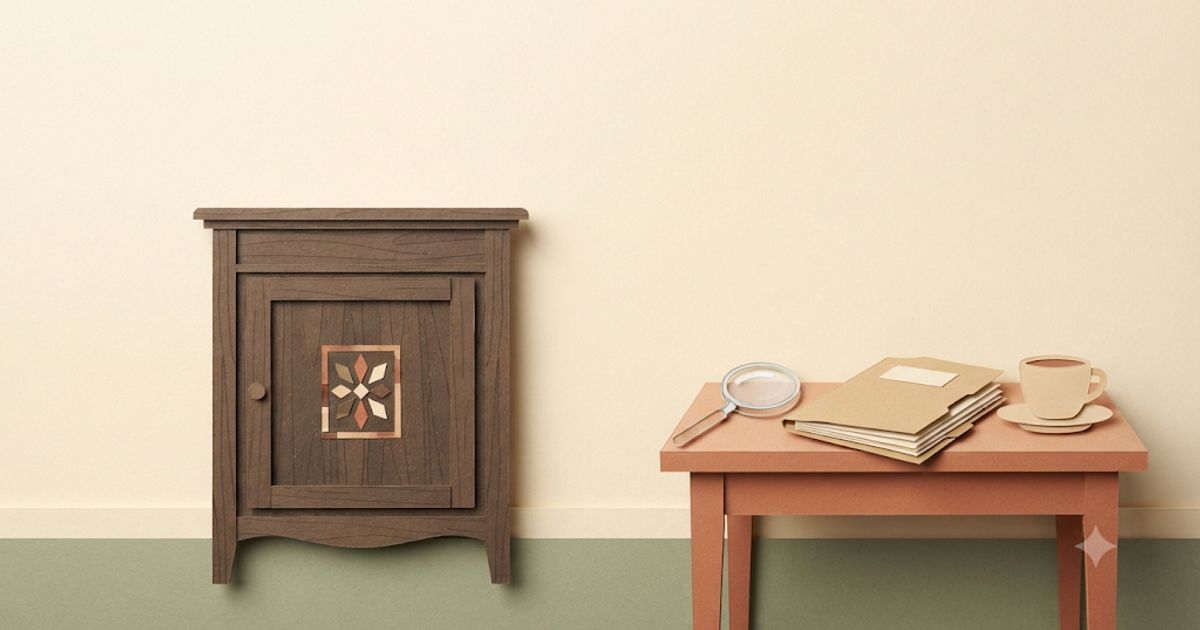
A family cabinet with ivory inlay, or a Victorian chair in dark rosewood, can be a lovely thing to pass on. It can also carry rules most sellers have never heard of. If you want to sell antique furniture with ivory or rosewood in Melbourne, a short check before you list can save a lot of trouble. This guide sets out what the Australian Government says, where the gaps are and how to prepare. Plenty of antique furniture raises none of these questions. The pieces that do are those with ivory inlay, ivory piano keys or fittings, or timber from the rosewood group.
Quick summary: Selling antique furniture with ivory or rosewood in Australia means checking before you list. The Australian Government's wildlife trade rules mainly control moving these items across the border, and state and territory trade rules differ. Private ownership of elephant ivory is legal if the item was imported lawfully, so keep any paperwork showing when and how yours arrived. DCCEEW's rosewood factsheet lists furniture among the items that still need CITES permits to be imported or exported. This is general information, not legal advice.
Is It Legal to Sell Antique Furniture With Ivory in Australia?
Australia controls ivory mostly at the border. According to DCCEEW's elephant and rhino trade guide, the national environment law regulates the movement of wildlife products to and from Australia, while state and territory governments have their own rules on trading them. The guide says private ownership of elephant and rhino products is legal if they were imported lawfully, and that unlawfully imported products can be seized.
That describes ownership and borders. It isn't a green light for every sale, and the guide points to no single national rule for reselling an ivory-inlaid cabinet to a buyer down the road. Which state or territory rules apply depends on where you and the buyer are. In Victoria, DEECA, which runs the state's wildlife licensing, is a sensible place to ask.
Adelaide University researchers reported in September 2026 that no Australian jurisdiction requires a seller to show an item's material, age or lawful entry at the point of sale. Their release says a 2018 parliamentary inquiry recommended a nationally coordinated ban, but the Commonwealth closed the matter in 2024. It also reports that only three of the 1,698 online ivory listings the team tracked between January and June 2025 included any documentation. That covers online listings in that window, not every Australian ivory sale, but it shows buyers often have little more than the seller's word.
No proof required at sale doesn't mean no risk. DCCEEW says unlawfully imported products can be seized, and possessing an illegally imported specimen can attract criminal penalties. Lawful ownership also doesn't automatically mean every sale is permitted, and we haven't found a confirmed Victorian exemption. Documents showing how your piece arrived put you in a stronger position and give a buyer something to rely on.
What Documents Do You Need to Sell Ivory Furniture?
DCCEEW says that if you own an elephant or rhino product, you must be able to show, if asked, that it is lawfully in Australia. Its examples are a copy of an import permit, a receipt or photographic evidence of when the product arrived. It also asks owners to keep this in mind if they inherit or give away such items.
The guide's own example is a family with two small carved rhinos and an old photograph from 1968 showing they were in Australia before the species was listed under CITES. Gather the same kind of evidence now:
- Old family photos showing the piece in a room, dated if possible
- Purchase receipts, dealer or auction invoices and valuation reports
- Import paperwork, if the piece came from overseas
- Notes from previous owners about when and where it was bought
Keep copies together in one folder so you can pass them to a buyer.
An independent age assessment can help too. DCCEEW says the assessor must have no financial or other interest in the item, so an auction house that is selling it doesn't qualify. That rule is written for export certificates, but the principle suits any sale: evidence is stronger when it comes from someone who doesn't profit from it. Our guide to furniture valuation in Melbourne explains how valuations work for antique, vintage and estate pieces.
Can You Export Antique Ivory or Rosewood Furniture?
Not as a casual sale. Sending these items out of Australia is an export. DCCEEW says you need an Australian pre-Convention export certificate before moving elephant or rhino products internationally, whether you carry, post or freight them, and that without one the goods can be seized. Australia treats every elephant population as if it were on CITES Appendix I, so across the border no trade for commercial or personal purposes is allowed except for specimens older than 1975. The destination country's import rules apply too.
Rosewood works in a similar way. DCCEEW's CITES timber species factsheet says exporting rosewood harvested before its CITES listing needs a pre-Convention certificate. The evidence it lists includes a receipt, a statutory declaration or an independent age assessment.
On a local marketplace, the safe habit is to list for pickup. If a buyer asks you to post or ship an item overseas, stop and read both guides first. If the buyer is in another state or territory, remember that state rules differ too.
Does Rosewood Furniture Need a CITES Permit?
The factsheet focuses on international trade. It says finished products with up to 10 kg of rosewood per shipment stopped needing CITES permits from 26 November 2019. But it specifically lists furniture, and finished timber products with more than 10 kg of rosewood per shipment, among the items that continue to need them. The 10 kg limit is judged on the weight of rosewood in each item, not the whole shipment, and the exemption doesn't cover Brazilian rosewood (Dalbergia nigra) or Dalbergia cochinchinensis.
Don't assume an antique cabinet or table qualifies for the exemption. Confirm the species and the requirements before importing or exporting it. The page also says nothing about selling within Australia, so treat it as a reason to ask before a rosewood piece leaves the country, not as proof that local sales have no rules. The listing is also by species (Dalbergia, plus three Guibourtia species), so the word "rosewood" alone doesn't tell you whether a piece is covered. Identifying the timber is the first step, and our guide to identifying timber in old furniture is a good place to start. For a valuable piece, ask a specialist rather than guess.
How to List Antique Furniture With Ivory or Rosewood for Sale
Buyers browsing secondhand furniture in Melbourne can't check your paperwork from a photo, so be honest about what you know:
- Describe materials as you know them. "Inlay believed to be ivory, not independently confirmed" is better than a confident guess either way.
- Treat "antique" as a description, not a legal label. State an age only if you can back it up.
- Photograph the inlay, any maker's marks or labels and the underside, and say which paperwork you hold.
- Avoid wording such as "fully legal" or "CITES compliant" unless documents support it.
- List for pickup rather than offering to post or ship.
Who to Contact Before Selling Ivory or Rosewood Furniture
- The Commonwealth wildlife trade team: for elephant or rhino items you want to get rid of, DCCEEW's guide directs you to its compliance team. The National Environmental Protection Agency began on 1 July 2026 and some content is moving to its website, so confirm the current contact before you write.
- Your state or territory department: for rules on selling within your state. In Victoria, start with DEECA.
- An independent specialist: for the material and age of the piece, someone with no interest in the sale.
- A legal adviser: if the piece is valuable or its history is unclear.
Rules can change, so check the current pages rather than relying on this guide alone. Government guidance is described above as such, and the practical tips are ours. Last reviewed 23 November 2026.
Sell Antique Furniture in Melbourne
Once you've done your checks, you can list your antique furniture on Zirkly. Add clear photos, say honestly what you know about its materials and keep any paperwork ready for buyers.
Frequently Asked Questions
Is it legal to sell ivory inlay furniture in Australia?
DCCEEW says private ownership of elephant products is legal if they were imported lawfully, and that state and territory trade rules differ. Its guide points to no single national rule on resale, so check with the relevant state or territory department before you list.
Do I need a permit to sell rosewood furniture within Australia?
DCCEEW's rosewood factsheet covers importing and exporting, not selling within Australia. Check your state or territory rules, and ask DCCEEW about CITES permits before any piece leaves the country.
How can I prove my ivory-inlaid furniture was imported lawfully?
DCCEEW gives examples such as an import permit, a receipt or photographic evidence of when the item arrived. Old family photos, invoices and valuation reports can also help build the picture.
Can I ship ivory or rosewood furniture overseas?
Not without checking first. DCCEEW says elephant products need a pre-Convention certificate to leave Australia, and its factsheet lists furniture among the rosewood items that continue to need CITES permits. The destination country's rules apply too.
Does calling a piece an antique make it exempt?
DCCEEW's guides tie border rules to when a specimen was acquired or harvested compared with the CITES listing date, not to the word antique. Age needs evidence, such as receipts, photographs or an independent assessment.
What if I inherited a piece and I'm unsure what it's made of?
Get the material and age checked by an independent specialist before you list. DCCEEW's guide directs owners who want to get rid of elephant or rhino items to its compliance team, so confirm the current contact first.
Should I say "ivory" in my listing if I'm not sure?
Say what you know and what you don't. A line such as "inlay not independently identified" is more honest than guessing, and it avoids promising anything about legality or export.
Erica
Zirkly Team
Erica covers interior styling, furniture trends and the vintage pieces worth knowing about, helping Melbourne buyers and sellers make secondhand furniture feel like a deliberate choice rather than a compromise.