Secondhand Outdoor Furniture Melbourne: Best Materials for Long-Lasting Outdoor Use
Not all secondhand outdoor furniture survives a Melbourne balcony or backyard — here's how to tell which materials are worth buying used and which ones are already on borrowed time.
Melbourne's outdoor furniture doesn't get an easy run. A piece can sit through a 40-degree February afternoon, a week of driving rain, and UV exposure that's higher than most people assume for a temperate city — sometimes within the same fortnight. That's exactly why buying secondhand outdoor furniture in Melbourne is worth doing carefully rather than opportunistically: pieces built for outdoor exposure keep handling it secondhand, while used patio furniture, garden furniture, and outdoor settings made from the wrong materials were already failing before you found the listing.
What is the best secondhand outdoor furniture for Melbourne?
Teak, powder-coated aluminium and UV-stabilised resin wicker are usually the best choices, because they resist rain, strong UV and repeated wet–dry cycles far better than untreated timber, painted steel or natural rattan.
This guide covers what holds up as used outdoor furniture in Victorian conditions, what to avoid, where to actually find it, and how to buy differently for balcony furniture than for a full backyard dining set — without defaulting to buying new, which for most outdoor pieces isn't the safer option it looks like.
Why Secondhand Makes Sense for Outdoor Furniture
Outdoor furniture is one of the more logical secondhand categories, not one to be cautious around. Unlike a sofa or mattress, most weatherproof furniture is built from materials — solid timber, powder-coated metal, synthetic weave — that show wear on the surface rather than hiding it inside the piece. A secondhand outdoor dining set that's sat under an eave for three years has already demonstrated exactly how it ages. A new one hasn't been tested yet.
Outdoor settings are also bulky and expensive to buy new in sizes that suit Victorian balconies and courtyards. Buying secondhand and locally means you can inspect a piece under real outdoor conditions before it changes hands — something a boxed flat-pack setting can't offer.
What to Check Before Buying Secondhand Outdoor Furniture in Melbourne
Melbourne's climate is milder than people expect, but it isn't gentle on furniture. The Bureau of Meteorology's long-term Melbourne climate data shows rain spread fairly evenly across the year rather than confined to a short wet season, so outdoor furniture here rarely gets a long dry stretch to recover between soakings — it's this wetting-and-drying cycle, more than any single storm, that does the real damage over time. Before buying an outdoor table and chairs, a bench, or a lounge setting, check:
- Timber joints — press and twist gently; movement usually means glue or dowels have started failing from repeated moisture cycles
- Metal frames — look for rust starting at welds or screw points, not just visible surfaces
- Woven or wicker seating — flex the weave; strands that crack rather than bend have usually gone past repair
- Cushions and fabric — check the underside, since colour loss there (not just on top) signals the fibres are already breaking down
- Stability on uneven ground — wobble the whole piece, not just individual legs
Sun exposure matters more than most buyers assume. Melbourne and Hobart are the only Australian capitals where the average UV Index drops below 3 in winter, according to Cancer Council Australia's UV Index guidance — but for the rest of the year, local UV levels are high enough to fade fabric, chalk untreated timber, and embrittle cheaper plastics well before the frame itself fails.
Which Materials Actually Survive (and Which Don't)
Some materials were made for this. Others were only ever meant for a covered patio and show it fast once bought secondhand and left exposed.
| Material | Outdoor exposure rating | Maintenance needed | Buy secondhand if... |
|---|---|---|---|
| Teak / eucalyptus / acacia hardwood | Excellent | Low–occasional oiling | Joints are tight, no soft or spongy timber |
| Powder-coated aluminium | Excellent | Very low | Coating isn't peeling at welds or legs |
| Cast aluminium | Very good | Low | No cracking at cast joints |
| Galvanised or stainless steel | Good | Low-moderate | Rust is surface-level, not pitted |
| UV-stabilised resin wicker / HDPE / polypropylene | Good | Very low | Weave flexes without cracking |
| Natural rattan or cane | Poor outdoors | High | Only if kept fully under cover |
| Untreated pine or softwood | Poor | High | Only for a covered balcony, expect resealing |
| Painted (non-powder-coated) metal | Poor | High | Only if repainting is part of your plan |
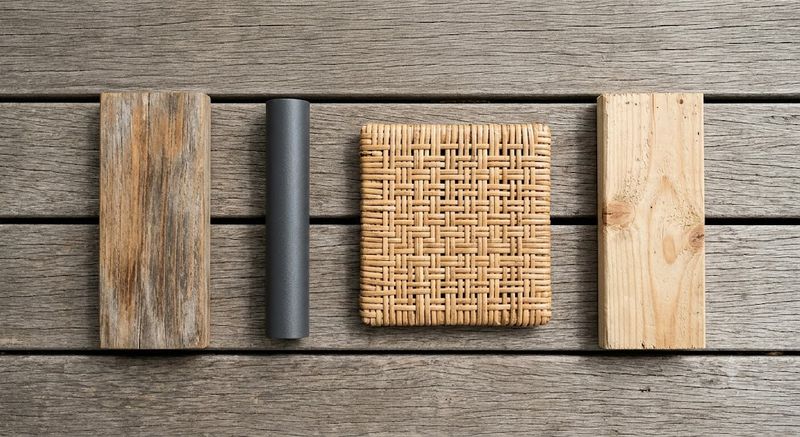
The pattern holds: materials engineered specifically for outdoor exposure — teak, powder-coated or cast aluminium, UV-stabilised resin — are genuinely good secondhand buys. Materials borrowed from indoor furniture, like natural rattan or unsealed softwood, degrade quickly in local outdoor conditions regardless of listing price.
Where to Find Secondhand Outdoor Furniture in Melbourne
Beyond online marketplaces like secondhand furniture on Zirkly, worthwhile sources for used outdoor furniture include weekend garage sales, neighbourhood buy-swap-sell groups, op shops, vintage and antique stores, and occasional estate sales, which often include well-maintained teak or cast aluminium settings. Buyers across Ormond, Bentleigh, Carnegie, Moorabbin and nearby suburbs often find outdoor furniture listed close by, which makes in-person inspection — the single most useful step in this guide — far easier to arrange.
Buying for a Balcony vs a Backyard
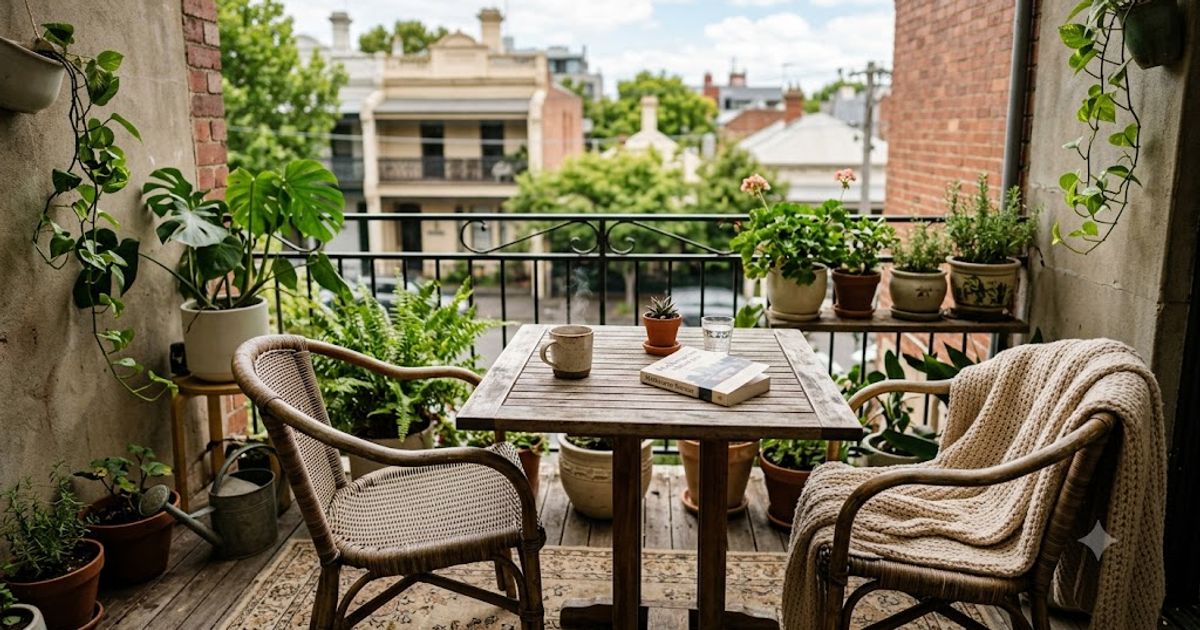
Balcony furniture has its own rules, separate from backyard buying. Apartment balconies are common across Melbourne, and a lot of what gets listed as an "outdoor setting" is really sized for a courtyard, not a balcony that might only be 1.2–1.8 metres deep.
- Measure depth, not just width — a table and two chairs need clearance to actually pull a chair out
- Check strata rules on weight and drainage — pooling water under a piece left in place for months can mark both furniture and flooring
- Prioritise lightweight, foldable or stackable pieces — easier to move in when a storm is forecast, especially on an exposed high-rise balcony
- Watch for wind exposure — upper-floor balconies get steadier wind than a fenced backyard, which speeds up wear on umbrellas and light furniture
For furnishing the wider space, our guide to small apartment and studio furniture covers buying secondhand pieces that fit compact Melbourne layouts, and mixing secondhand and new furniture has styling principles that carry over to balconies and courtyards.
Common Mistakes When Buying Used Outdoor Furniture
- Judging condition from photos alone instead of inspecting materials in daylight
- Missing UV fading because you only checked the top surface, not underneath
- Skipping balcony measurements before buying a full-size dining set
- Assuming cushions are automatically reusable
- Overlooking rust starting at welds, not just on visible frame surfaces
- Buying untreated pine for an uncovered space and expecting it to last
Checklist and Care Tips
| Before you buy | To make it last |
|---|---|
| Ask how long it's been stored outside vs under cover | Clean twice a year to remove grime and salt air |
| Inspect joints and welds up close, not from photos | Re-oil teak or hardwood periodically |
| Flex woven sections to check for cracking | Tighten screws and fittings annually |
| Check fabric undersides for hidden UV fade | Bring cushions indoors or under cover when not in use |
| Confirm it fits your balcony or courtyard dimensions | Lift furniture off wet grass or pooling water where possible |
Final Word
The best secondhand outdoor furniture in Melbourne isn't the newest-looking listing — it's the piece made from a material built to handle local outdoor exposure in the first place, whether that's teak, powder-coated aluminium or UV-stabilised resin. Ready to start looking? Browse local listings you can inspect in person, compare materials against this guide, and choose outdoor furniture built to handle Melbourne's changing conditions.
Frequently Asked Questions
Is it safe to buy secondhand outdoor furniture in Melbourne?
Yes, as long as you inspect the material and joints in person. Outdoor furniture wears in visible ways — rust, fading, cracked weave — so a careful look tells you almost everything before you buy.
Is teak worth buying secondhand?
Generally yes. Teak is dense and naturally weather-resistant, so a secondhand piece with tight joints and no soft timber can outlast most other outdoor materials by a wide margin.
How long does powder-coated aluminium last outdoors?
It's one of the more durable outdoor finishes, resisting rust and UV damage well, provided the coating isn't already chipping or peeling at welds when you buy it.
What's better outdoors: resin wicker or natural rattan?
UV-stabilised resin wicker is designed for outdoor exposure and holds up well. Natural rattan is an indoor or covered-patio material and breaks down quickly left outside in Melbourne conditions.
Can outdoor furniture stay outside year-round in Melbourne?
Materials rated for outdoor use — teak, powder-coated aluminium, UV-stabilised resin — generally can, though covering or storing cushions extends their life. Untreated timber and natural rattan fare much worse left out year-round.
Should I sand and reseal used timber outdoor furniture?
If the timber is structurally sound but greyed or dry, a light sand and fresh oil or sealant is usually enough to refresh it, rather than needing replacement.
How can I tell if secondhand outdoor timber furniture is still solid?
Press and twist the joints gently, check for soft or spongy patches, and look underneath where moisture collects. Tight joints and hard, dry timber are good signs.
What size outdoor setting fits a Melbourne apartment balcony?
Most balconies suit a compact bistro table with two chairs, ideally foldable or stackable. Measure your balcony depth before buying — many secondhand settings are sized for backyards, not balconies.
Can I negotiate on secondhand outdoor furniture with visible wear?
Generally yes, particularly for fabric fading or surface rust that doesn't affect structural stability — these are common, expected signs of outdoor use and a reasonable basis for a lower offer.
Adam
Zirkly Team
Adam turns complex secondhand furniture topics into practical advice for Melbourne buyers and sellers — pricing, safety and the decisions that make buying and selling used furniture clearer.