Is Melbourne's Rental Market Driving More Renters Toward Secondhand Furniture?
Melbourne's rental market remains relatively tight. Here's what the vacancy data actually shows, and why secondhand furniture can make sense for renters furnishing a home on a budget.
Quick summary: Melbourne's rental market has stayed relatively tight through 2026, with SQM Research recording a vacancy rate of 1.4% in April and 1.7% in July — well below the level generally considered balanced. That environment makes flexibility important for renters, particularly anyone furnishing a smaller or entry-level property who may need to move again. Secondhand furniture is often a lower-cost, lower-commitment way to furnish that kind of rental.
Rather than assume renters are moving more often because of the vacancy rate, it's worth separating two different questions: how tight is Melbourne's rental market right now, and does that actually change how people should furnish a rental? The data gives a clearer answer to the first question than the second, but together they point toward the same practical conclusion — secondhand furniture suits the uncertainty renters are dealing with, whether or not vacancy rates themselves are the direct cause.
Melbourne's Rental Vacancy Rate in 2026
SQM Research recorded Melbourne's vacancy rate at 1.4% in April 2026. By July, SQM's monthly bulletin put it at 1.7%, up from 1.6% in June — a gradual easing across the middle of the year, but still tight by historical standards.
It's worth noting that vacancy rates vary by data provider and methodology. REIV reported Victoria's vacancy rate at 2.6% for the same July period — noticeably higher than SQM's Melbourne figure. This isn't a contradiction so much as a difference in what's measured: SQM's series tracks monitored online rental listings, while REIV draws on data reported by member agencies across Victoria more broadly. This article uses SQM's figures because its methodology and monthly series are the most consistently documented for city-level comparisons, but the REIV number is a useful reminder that no single figure tells the whole story.
What Melbourne's Vacancy Rate Means for Renters
Whichever figure you use, both sit below the roughly 2–3% range typically described as a balanced rental market. In practice, that means less available stock, more competition for well-priced listings, and less time to weigh up decisions like furniture before moving in. It doesn't necessarily mean every renter is moving house more often — but it does mean the process of finding and securing a rental is more rushed than it would be in a looser market, which flows through to how quickly people need to furnish once they get the keys.
Do Melbourne Renters Actually Move More Often?
This is where it's important not to overreach. A low vacancy rate doesn't automatically mean higher tenant turnover — in fact, tight markets can encourage renters to stay put longer, since moving is harder when competition is high. REIV data actually shows average tenancy duration in Victoria has extended to roughly 24 months. The exception is one-bedroom dwellings, which recorded the highest turnover of any dwelling size, at 15.5%.
So the honest version of this story isn't "tight vacancy rates make everyone move more." It's narrower: turnover is concentrated in smaller, entry-level rentals, and renters in that segment — along with anyone who already expects their housing situation to change — are the ones with the strongest reason to think carefully about how much they commit to furniture upfront.
Why Secondhand Furniture Can Make Sense for Renters
That rental environment makes flexibility important. For renters who may move again within a year or two — particularly those furnishing a smaller or entry-level property — secondhand furniture can offer a lower-cost way to set up a home without committing as much money to furniture they may later need to move or resell. It can make more sense for a shorter or uncertain tenancy because the initial financial commitment is usually lower and the furniture can potentially be resold when you move.
For renters furnishing a home for the first time, our guide on furnishing a home for the first time in Melbourne covers the basics in more depth.
New vs Secondhand Furniture for a Melbourne Rental
For renters, the real cost of furniture isn't only the purchase price. There can also be delivery fees, assembly, storage, moving costs, and the eventual cost of replacing or reselling pieces. Secondhand furniture can reduce the upfront cost and, when bought locally, may also make collection easier.
| Factor | New furniture | Secondhand furniture |
|---|---|---|
| Upfront cost | Usually higher | Usually lower |
| Short leases | Larger financial commitment | Lower upfront commitment |
| Availability | May involve delivery lead times | Often available for local pickup |
| Moving again | Can be expensive to move | Can be resold locally |
| Environmental impact | Requires new production and materials | Extends the life of existing furniture |
What Furniture Should Renters Buy Secondhand?
Tables, dining chairs, desks, bookshelves, bedside tables, coffee tables, and many bedroom pieces are generally straightforward secondhand purchases. Sofas and mattresses need a closer look — check for structural wear, stains, and odour before agreeing to buy. If you're sharing a lease and dividing up furniture is part of the move, our piece on dividing furniture in a share house covers that situation specifically.
Where to Find Secondhand Furniture for Your Melbourne Rental
Because timing matters — matching a fast-moving lease with furniture that's already available nearby — proximity counts for more here than it would for someone furnishing a long-term home. Zirkly is built around hyperlocal listings rather than a citywide classifieds feed, so renters can search by suburb instead of scrolling through results from across Melbourne. Renters moving into the south-east, for example, can check Zirkly's secondhand furniture listings in Ormond, and the same suburb-based structure applies across Zirkly's Melbourne listings more broadly. Anyone furnishing a bedroom specifically can browse by category, such as secondhand beds and bedroom furniture, rather than filtering through an entire home's worth of listings.
Secondhand Furniture Checklist for Moving Into a Melbourne Rental
| Step | Buying for a new rental | Selling before you move |
|---|---|---|
| 1 | Search listings near your new suburb before move-in day | Photograph furniture in good light, before packing |
| 2 | Check dimensions against your new floorplan | Price with your original purchase and resale value in mind |
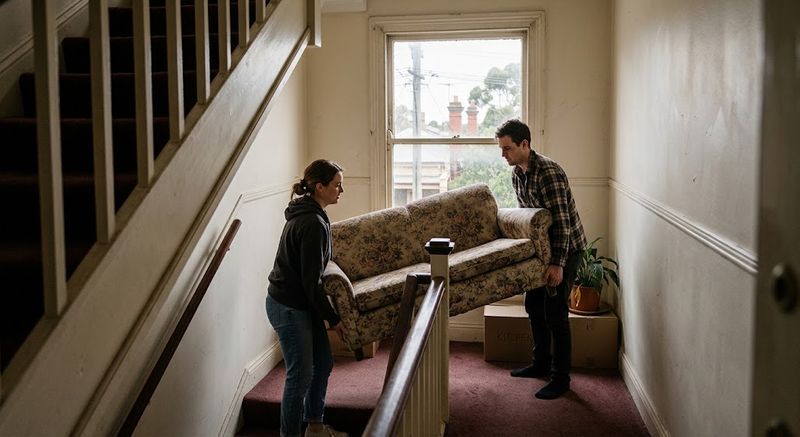
| 3 | Don't buy large furniture until you've checked doorway, stairwell and lift access | List with clear pickup windows around your move-out date |
| 4 | Inspect condition in person where possible | Be upfront about wear, marks, or missing parts |
| 5 | Confirm payment and collection details before arriving | Confirm the buyer's pickup plan to avoid last-minute delays |
Conclusion
For Melbourne renters, the case for secondhand furniture isn't really about the vacancy rate alone. It's about flexibility. If you're furnishing a rental where your lease, suburb, or household needs may change, spending less upfront and choosing furniture you can potentially resell later can make financial sense. The best approach is to buy locally, measure before you buy, check condition carefully, and choose pieces that will work in more than one home. Start browsing or listing furniture on Zirkly to see what's available near you before you commit to buying new.
Frequently Asked Questions
Is secondhand furniture cheaper than new furniture in Melbourne?
Usually, yes. Used furniture is generally sold below comparable new retail pricing, although the saving depends on the brand, age, condition, and type of furniture.
What furniture should I buy secondhand for a rental?
Tables, dining chairs, desks, bookshelves, bedside tables, coffee tables, and many bedroom pieces can be good secondhand purchases. Sofas and mattresses require more careful inspection.
Is secondhand furniture a good option if I might move again?
It can be. Lower upfront cost and the ability to resell locally can make secondhand furniture particularly practical for renters who expect their housing situation to change.
Where can I find secondhand furniture in Melbourne?
Renters can search hyperlocal marketplaces like Zirkly, op shops, and general classifieds. Searching by suburb makes pickup considerably easier than browsing citywide.
Should I buy furniture before moving into a Melbourne rental?
It's usually better to confirm room dimensions, doorway access, and your move-in date first. For secondhand furniture, checking availability and pickup timing matters too, since individual pieces can sell quickly.
What's the cheapest way to furnish a Melbourne rental?
Buying secondhand locally and picking up items yourself typically keeps costs lowest, since it avoids delivery fees and retail markups.
Why do SQM Research and REIV report different Melbourne vacancy rates?
They use different methodologies — SQM tracks monitored online rental listings, while REIV draws on data reported by member real estate agencies, which can produce noticeably different figures for the same period.
Sujith
Zirkly Team
Sujith is the Founder of Zirkly, Melbourne's dedicated secondhand furniture marketplace. He writes about Melbourne's secondhand furniture market, consumer behaviour, and the circular economy, drawing on his experience building Zirkly and what helps furniture listings sell across Melbourne.